


The Contenders: An Introduction
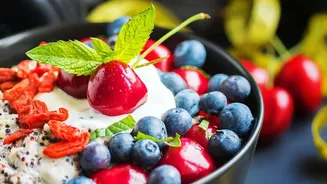
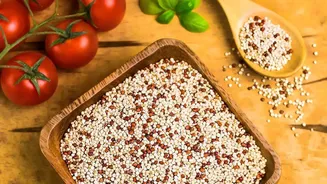
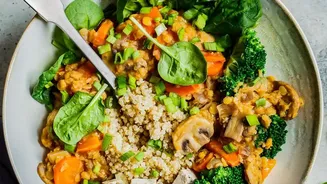
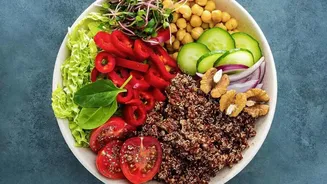
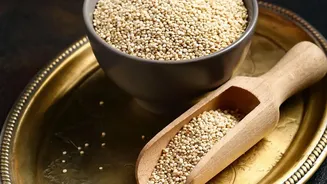
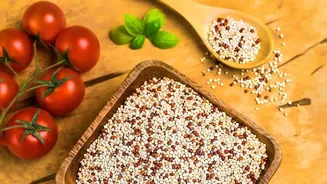
Quinoa, a seed native to South America, has gained worldwide fame for its impressive nutritional profile. It's technically a 'pseudo-cereal' but cooked and eaten like a grain. Often seen in salads and health bowls, it's become a symbol of modern wellness.
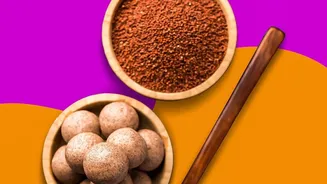
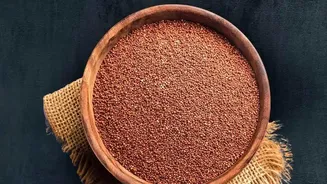
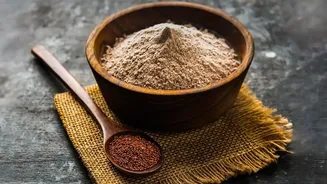
On the other hand, Ragi, or finger millet, is an ancient grain that has been a staple in Indian households for centuries, especially in the southern states. It’s known for its hardiness and is traditionally used to make everything from porridges and rotis to dosas.
Nutritional Showdown: A Head-to-Head Battle
When you put ragi and quinoa side-by-side, a fascinating picture emerges. Quinoa is celebrated for being a 'complete protein', meaning it contains all nine essential amino acids, which is rare for a plant-based food. It holds a slight edge in overall protein content. However, ragi is the undisputed champion when it comes to calcium. It packs an astonishing amount of calcium, nearly seven to ten times more than quinoa, making it a powerhouse for bone health. For Indian diets, which are often deficient in calcium, this is a significant advantage. Ragi also generally contains more iron and dietary fibre. Both grains are excellent sources of complex carbohydrates, have a low glycemic index, and are similar in calorie count.
The Health Angle: Which Wins for Wellness?
Both grains offer substantial health benefits. Their low glycemic index makes them excellent choices for managing blood sugar levels, a crucial factor for diabetics. The high fibre content in both ragi and quinoa aids digestion, promotes gut health, and helps you feel full for longer, which can support weight management goals. Quinoa's complete protein profile is great for muscle repair and maintenance. But ragi’s incredibly high calcium content gives it a unique advantage in preventing osteoporosis and strengthening bones, which is particularly beneficial for children and older adults.
In the Indian Kitchen: Versatility and Taste
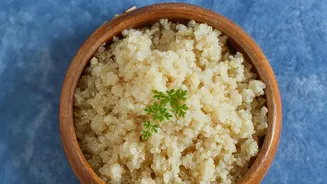
This is where tradition and familiarity play a huge role. Ragi is deeply integrated into Indian culinary practices. From soft ragi mudde in Karnataka to crispy ragi dosas and hearty porridges, it's a flavour and texture we know and love. It blends seamlessly into our daily meals. Quinoa, with its slightly nutty taste and fluffy texture, works well as a substitute for rice or in salads. While many home cooks are now experimenting with quinoa in Indian dishes like upma and even dosas, it can still feel unfamiliar to some palates and requires careful rinsing to remove its natural bitter coating called saponin.
The Final Verdict: Cost and Sustainability
For most Indian households, this is the deciding factor. Ragi is locally grown, widely available, and significantly more affordable. Choosing ragi supports Indian farmers and has a lower carbon footprint due to minimal transport. Quinoa, being mostly imported from South America, comes with a premium price tag reflecting shipping costs and import duties. While Indian-grown quinoa is now available, it remains considerably more expensive than traditional millets. From a budget and sustainability perspective, ragi is the clear winner for daily consumption.