






The Sourdough Difference
At its heart, what separates sourdough pizza from its conventional counterpart is the leavening agent. Instead of relying on fast-acting commercial yeast, sourdough pizza dough is made with a 'starter'—a living culture of wild yeast and beneficial bacteria
(specifically, lactobacilli) that has been cultivated from just flour and water. This isn't a new trend; it’s an ancient method of leavening bread, likely how the very first pizzas were made long before commercial yeast was available. The process is a slow one, with fermentation often taking anywhere from 24 to 72 hours. This extended time is crucial, as it allows the microorganisms to work their magic, completely transforming the dough's flavor, texture, and even its nutritional profile.
A Tangy, Complex Flavor
The most immediate and noticeable characteristic of a sourdough pizza crust is its flavor. The slow fermentation process produces organic acids that impart a distinct, subtle tang. This isn't an overwhelming sourness, but rather a complex, savory note that provides a beautiful counterpoint to the richness of cheese and toppings. While traditional pizza dough offers a more neutral and predictable base, allowing the toppings to take center stage, the sourdough crust is an active participant in the flavor symphony. This depth of flavor is something that simply cannot be achieved with quick-rising, commercially yeasted doughs. The long fermentation also enhances caramelization during baking, resulting in a beautifully browned and blistered crust without any added sugars.
The Perfect Chewy, Crispy Texture
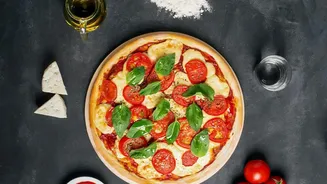
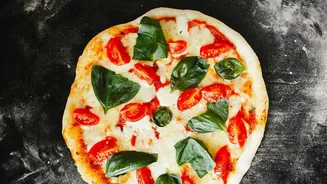
The headline promises a chewy base, and sourdough delivers. The extended fermentation period does more than just develop flavor; it also significantly alters the dough's structure. The process strengthens the gluten network, resulting in a dough that is wonderfully elastic and easy to stretch. When baked, especially at high temperatures, this well-developed structure creates a crust that boasts a delightful textural contrast: a crisp exterior with beautiful blistering, and a light, airy, and satisfyingly chewy interior. Many describe the texture as more complex and tender than that of standard pizza dough, which can often be more uniform and soft.
Surprising Health Perks
Beyond its superior taste and texture, sourdough pizza comes with several notable benefits, particularly concerning digestion. During the long fermentation, the wild yeasts and bacteria begin to pre-digest the starches and gluten in the flour. This process breaks down some of the gluten, which is why many people with non-celiac gluten sensitivity find sourdough pizza easier to tolerate. Furthermore, the fermentation helps break down phytic acid, a compound in grains that can inhibit the body's ability to absorb minerals. This means the nutrients in the flour become more bioavailable. Sourdough also has a lower glycemic index compared to breads made with commercial yeast, leading to a slower rise in blood sugar levels after eating.
Tips for the Home Baker
Inspired to try it yourself? Making sourdough pizza at home is an achievable and rewarding project. The most crucial element is a healthy, active sourdough starter, which you’ll need to feed 4-6 hours before you plan to mix your dough. Use a high-protein flour, like bread flour or Italian '00' flour, for the best chewy structure. The key to flavor development is a slow, cold fermentation. After an initial period of rising at room temperature, most recipes recommend letting the dough rest in the refrigerator for at least 24 hours, and up to a few days. Finally, for that perfect crispy-chewy crust, preheat your oven to its highest setting with a pizza stone or steel inside. The high heat helps create that coveted oven spring and blistered finish.