




Beyond Science Fiction
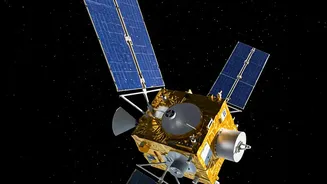
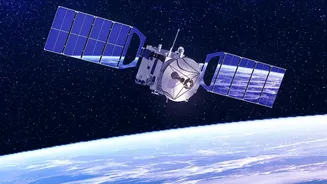
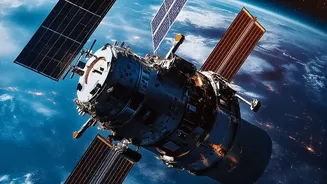
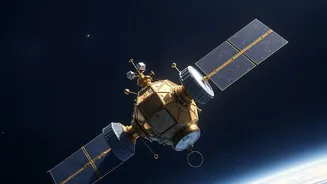
The idea of space warfare often conjures images of futuristic battleships. The reality is both more subtle and more concerning. Orbital weapons are systems designed to disrupt, damage, or destroy targets from space or to attack assets in orbit. While
the 1967 Outer Space Treaty prohibits placing weapons of mass destruction in orbit, it has loopholes regarding conventional weapons. This has allowed nations like the United States, Russia, China, and India to develop and test anti-satellite (ASAT) capabilities. In a September 2026 announcement, the U.S. even acknowledged for the first time that it possesses on-orbit space control weapons, though details remain secret. These are not hypothetical threats; they represent a new and active military domain.
The Tools of Space Warfare
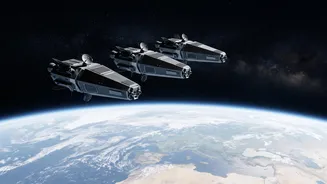
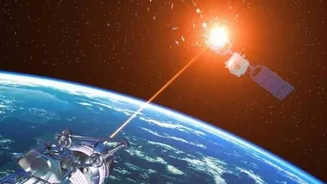
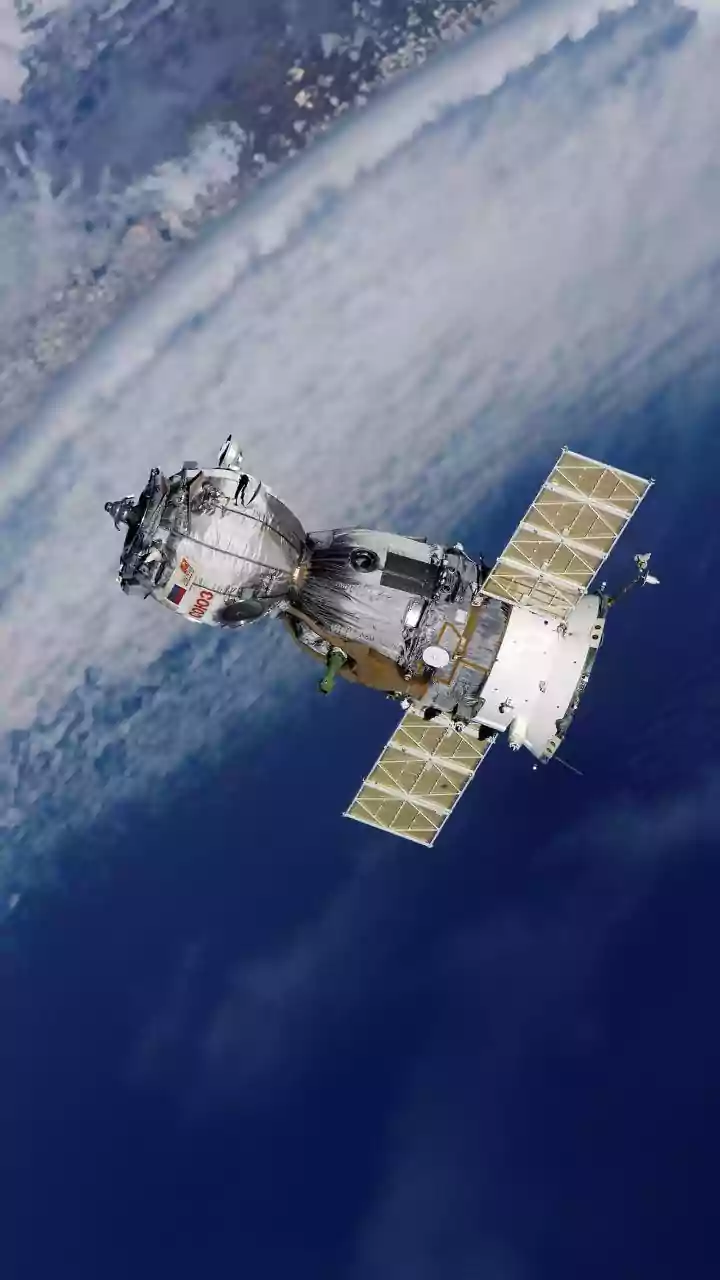
Orbital weapons fall into two main categories. The first is kinetic weapons, which physically strike their targets. These include direct-ascent missiles launched from Earth to intercept a satellite, or co-orbital systems that maneuver close to a target before striking it. The second category is non-kinetic weapons, which use other means to disable a satellite. This includes directed-energy weapons like lasers that can blind sensors, jammers that block communication signals, and cyberattacks that target ground control systems. There are also more conceptual weapons, like kinetic bombardment systems nicknamed 'Rods from God', which involve dropping dense tungsten rods from orbit to strike ground targets with immense force. While direct attacks are the most dramatic, non-kinetic methods like jamming are often preferred as they can cause disruption without creating hazardous debris.
The Threat of Debris and Kessler Syndrome
A primary consequence of using kinetic orbital weapons is the creation of space debris. When a satellite is destroyed, it shatters into thousands of fragments, each travelling at speeds over 28,000 kilometres per hour. This junk creates a hazard for every other satellite in orbit. This leads to a terrifying scenario proposed by NASA scientist Donald Kessler in 1978, known as the Kessler Syndrome. He theorised that if the density of objects in Low Earth Orbit becomes too high, collisions will create a cascading chain reaction. One collision creates debris that causes more collisions, exponentially increasing the amount of junk until entire orbital paths become unusable for generations, effectively trapping us on Earth. Past anti-satellite tests have already created massive debris clouds, pushing us closer to this tipping point.
A World Without Satellites
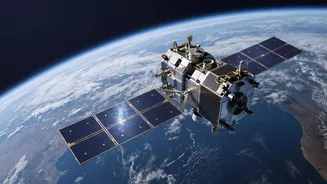
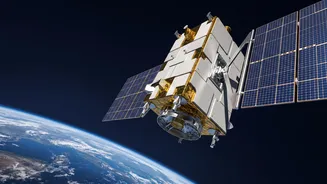
The practical consequences of a conflict in space would be felt immediately on the ground. The loss of GPS satellites would cripple global logistics, from shipping and aviation to the ride-hailing app on your phone. Financial systems that rely on the precise timing signals from GPS for transactions would fail, disrupting economies. Global communications would break down, affecting everything from international phone calls to internet services that connect rural communities. Weather forecasting, climate monitoring, and disaster management systems would be severely degraded. Militaries, which depend heavily on satellites for intelligence, navigation, and communication, would be blinded. In essence, the interconnected global infrastructure that powers modern society would grind to a halt.