





A Long Legacy of Responsibility
To understand where Kerala is going, it helps to know where it has been. For nearly two decades, the state has been a trailblazer in what it calls “Responsible Tourism” (RT). This approach, first piloted in 2008 in destinations like Kumarakom and Wayanad,
was never just about planting trees or banning plastic. It was a ground-up philosophy built on the “triple bottom line” of economic, socio-cultural, and environmental responsibility. The core idea was simple but revolutionary: tourism should directly benefit local communities, preserve cultural heritage, and protect the environment. This led to the creation of the official Responsible Tourism Mission in 2017, which embedded these principles into state policy, encouraging everything from homestays that employ local villagers to hotels sourcing their produce from nearby farms. These new 2026 updates are not a replacement of that policy, but a significant evolution.
The Big Policy Shift: Industry Status
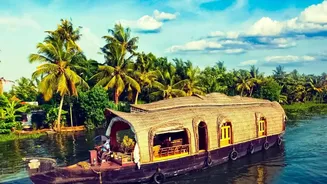
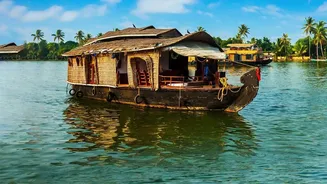
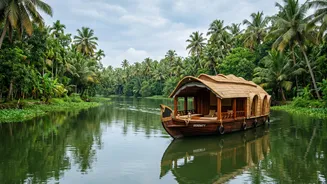
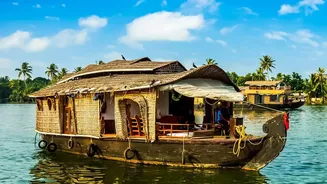
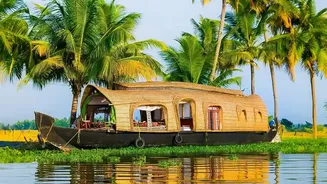
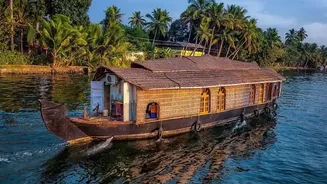
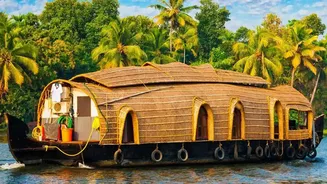
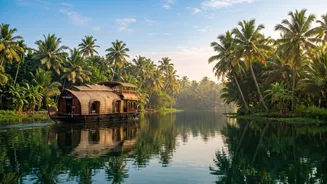
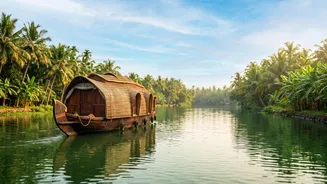
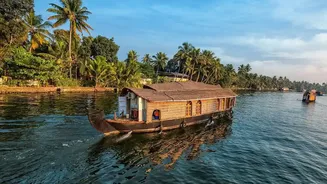
Perhaps the most impactful change announced in 2026 is the decision to grant the tourism sector full “industry status.” While this might sound like bureaucratic jargon, its effects are profound. This move, planned for implementation by October 2026, will make tourism businesses eligible for a wide range of benefits previously reserved for manufacturing and IT, such as easier access to loans, subsidies, and single-window clearances for projects. The goal is to attract fresh investment, not just in five-star resorts, but in strengthening infrastructure across the board. This includes renovating houseboat terminals in Alappuzha, expanding into lesser-known destinations to reduce overcrowding, and making it simpler for locals to start their own homestays. The government is also making legal amendments to allow more plantation land to be used for tourism, opening up new avenues for eco-lodges and agri-tourism experiences.
On the Ground: Meet the Green Marshals
The most visible change for visitors will be the introduction of “Green Marshals,” set to be deployed from October 9, 2026. This new initiative creates a trained, local workforce responsible for the day-to-day well-being of tourist destinations. Their role is multifaceted: they will assist tourists, monitor safety, ensure basic facilities are functional, and oversee cleanliness and waste management. A key focus of the program is enhancing safety and security, especially for the growing number of solo female travellers. The marshals will be a visible point of contact for any visitor needing assistance or facing an emergency. In its first phase, the program is expected to create around 180 jobs, further strengthening the link between tourism and local employment. This moves beyond passive policies to active, on-the-ground management of the visitor experience.
A Delicate Balance: Managing Capacity and Waste
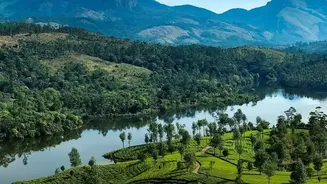
As tourism grows, so does the pressure on local resources. Acknowledging this, another key update involves a statewide effort to regulate tourist numbers based on a destination's carrying capacity, particularly its ability to manage waste. Under the new Solid Waste Management Rules of 2026, authorities have begun mapping ecologically sensitive hilly areas to understand visitor footfall and waste generation patterns. This could lead to rules that link the number of tourists allowed in places like Munnar or Thekkady to the available infrastructure for processing waste. The new rules also mandate that hotels and restaurants decentralise their waste processing and may introduce user fees for tourists to fund waste management at the destination. It is a clear signal that the state is prioritising long-term preservation over short-term, unrestricted growth.
What the Changes Mean for Travellers
So, how will this alter your next trip to “God's Own Country”? The experience is set to become more structured and, hopefully, more seamless. The presence of Green Marshals at popular spots means having a reliable, official contact for help and information. The push to develop new destinations like Akalapuzha and Munroe Island means travellers will have more opportunities to get off the beaten path and experience different facets of Kerala, easing the strain on classic backwater circuits. The focus on waste management and cleanliness aims for a visibly cleaner environment. While measures like user fees could make trips marginally more expensive, the trade-off is contributing directly to the upkeep of the beautiful landscapes you’ve come to see. Ultimately, these updates aim to deliver a safer, cleaner, and more authentic travel experience, ensuring the state's natural and cultural treasures are preserved for generations to come.