



The Claim: A Superior Core Workout
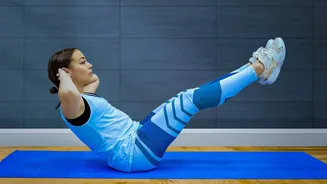
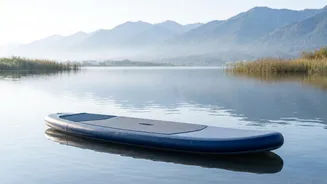
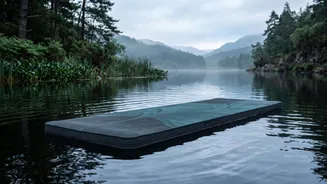
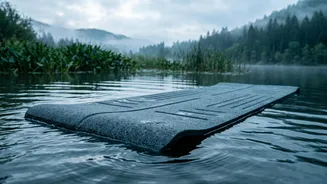
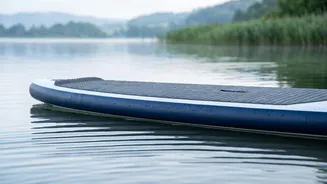
One of the biggest draws of floating yoga, also known as stand-up paddleboard (SUP) yoga, is the promise of an unparalleled core workout. The logic seems sound: practicing yoga on an unstable surface like a paddleboard forces your body to constantly make
tiny adjustments to stay balanced. Proponents claim this continuous engagement of your core muscles, from your abs to your obliques and lower back, leads to greater strength and stability than you could ever achieve on a solid floor. Every warrior pose and downward dog is said to become an intense core-stabilising exercise, turning your yoga session into a high-efficiency workout that builds a rock-solid midsection.
The Reality: A Different Kind of Challenge
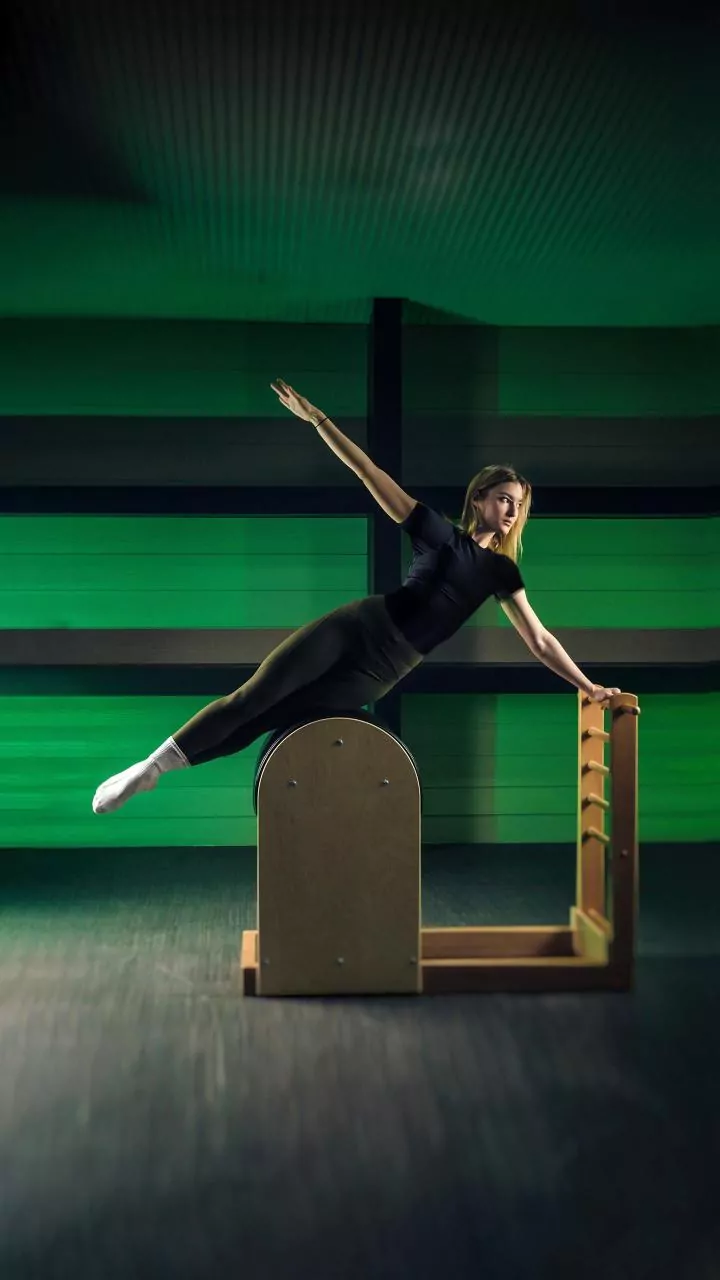
While it's true that floating yoga constantly engages your core, there is little scientific evidence to suggest it is inherently 'better' or 'superior' to a focused core workout on land. The instability definitely adds a significant challenge, forcing your stabiliser muscles to work overtime. However, this doesn't automatically translate to greater muscle growth than, for example, advanced Pilates or specific mat-based core exercises. What it does offer is an improvement in proprioception—your body's awareness of its position in space. The micro-adjustments required are fantastic for honing your balance and coordination. So, think of it less as a shortcut to a six-pack and more as a unique way to train your muscles and brain to work together more effectively. The challenge is different, not necessarily greater in all aspects.
The Claim: Deeper Mindfulness and Stress Relief
Advocates for floating yoga often highlight its profound mental benefits. They argue that the combination of being in nature, the gentle rocking of the water, and the focus required to hold poses creates a powerful meditative experience. The idea is that the serene environment helps to quiet the mind, reduce stress, and promote a deeper state of relaxation than a typical studio class. This is often linked to the concept of 'blue mind,' a theory suggesting that proximity to water has a scientifically proven calming effect on the human brain, boosting happiness and reducing anxiety.
The Reality: The Benefit Comes from the 'Blue'
This claim is largely true, but the credit belongs more to the water than the yoga itself. The 'blue mind' theory is well-supported, with research showing that being near, on, or in water can lower cortisol levels, increase feelings of calm, and promote mental clarity. The sound of lapping waves and the expansive view can induce a meditative state and reduce stress. However, you could achieve these same mental benefits by simply paddleboarding, kayaking, or even sitting by a lake. Floating yoga provides a wonderful framework to enjoy these benefits, but it doesn't have a monopoly on them. The true benefit is the combination of mindful movement with the powerful, calming effects of a natural water environment.
The Real, Undisputed Benefits
So, if some claims are overblown, why try floating yoga at all? Because the proven benefits are still compelling. First, it’s an incredible tool for improving balance. The unstable surface is a master teacher in finding your centre. Second, it refines your existing yoga technique. You can't cheat your alignment on a paddleboard; any imbalance will quickly become obvious, forcing you to engage the right muscles and find true stability in each pose. Finally, it’s fun. Breaking from the routine of a four-walled studio, connecting with nature, and embracing the playful possibility of falling in the water brings a sense of joy and freedom to your practice that is hard to replicate.