




The End of the Checklist Holiday
Remember the classic family vacation? It often involved a packed itinerary, covering three cities in five days, with every minute scheduled for sightseeing. The goal was to see as much as possible, often resulting in a holiday that left you needing another
one just to recover. That checklist-driven approach to travel is beginning to fade. A new trend is emerging across India, where travellers are consciously choosing to trade breadth for depth. Instead of a whirlwind tour, they are opting for longer, multi-night stays in a single location. According to a recent Booking.com Travel Happiness Index, 71% of Indian travellers are extending their trips to have more time to rest and properly enjoy a destination. This marks a significant pivot from quantity to quality, prioritising genuine experience over a crowded itinerary.
What's Driving the Great Unwind?
Several factors are fuelling this shift towards slower, more intentional travel. The widespread adoption of flexible and remote work arrangements has been a major catalyst. The lines between the office and the vacation spot have blurred, giving rise to the 'workation' or 'bleisure' trip, where professionals can combine work with leisure. Reports show that a high percentage of Indian employees are extending their business trips for personal travel. Beyond logistics, there's a deeper psychological shift at play. Post-pandemic priorities have changed, with a greater emphasis on wellness, mental health, and meaningful connections. Travellers are actively seeking relaxation and an escape from urban congestion, with 67% identifying it as their primary travel motivation. The desire for authentic local experiences over generic sightseeing is another powerful driver, with 78% of travellers prioritising it.
From 'Bleisure' to Slow Travel
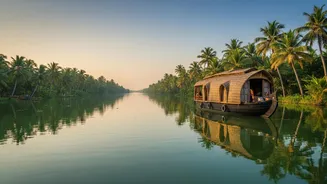
The 'bleisure' trend is a significant component of this new travel landscape. India is reportedly a key market for this trend, with 81% of business travellers extending their trips for leisure, surpassing the global average. This has led to a boom in bookings at hotels and homestays that cater to long-stay guests with amenities like reliable Wi-Fi and dedicated workspaces. But the trend extends beyond just working from a scenic location. It taps into the broader philosophy of 'slow travel'—a movement that encourages travellers to connect more deeply with a place, its culture, and its people. This might mean spending a week exploring the cafes and bylanes of a single city, renting a homestay for a month in the mountains, or immersing oneself in the local culture of a coastal town.
Destinations and Industries Adapt
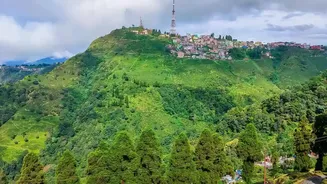
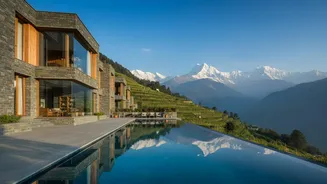
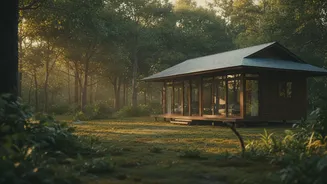
This shift is reshaping India's domestic tourism map. While perennial favourites like Goa and Manali remain popular, travellers are increasingly looking towards quieter, offbeat destinations that offer tranquillity and nature. Hill stations in the Himalayas like Dharamshala and Rishikesh have seen a massive surge in accommodation searches. The industry is responding proactively. Hotels are no longer just places to sleep; they are evolving into wellness spaces. Homestays, boutique farmhouses, and private villas are seeing strong growth as they offer a more authentic, local experience. Many properties are now offering discounted long-stay packages, weekly meal plans, and curated local experiences to attract the modern, slow-paced traveller. This adaptation is crucial for a sector that is increasingly driven by domestic demand and experience-led travel.