

The Solo Cooking Dilemma
Cooking for one can feel like a losing battle. Most recipes are designed for families of four, grocery stores package items in bulk, and the motivation to prepare a full meal for just yourself can vanish after a long day. This often leads to a cycle of expensive
takeout, less-than-healthy convenience foods, or a fridge full of good intentions and wilting produce. The core challenges are clear: potential food waste, the effort of scaling down complex recipes, and the feeling that cooking is a chore rather than a pleasure. It's no wonder many people conclude that cooking for one is simply not worth the trouble.
Embrace the Half-Batch Philosophy
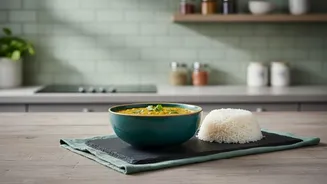
Instead of viewing cooking as a massive daily task, think of it as a series of small, manageable projects. This is the essence of the half-batch approach. It’s not about meticulously dividing every ingredient in a recipe by four. Rather, it's a mindset shift. You cook a smaller, more manageable portion of one or two core components. Think a small pot of dal, two chicken breasts instead of six, or roasting a single tray of vegetables. This approach, also known as small-batch cooking, is about creating just enough food for a meal or two, which helps reduce food waste and makes the process feel less overwhelming.
Your Low-Stakes Kitchen Experiment
The beauty of the half-batch is that it’s a low-commitment trial. You don't need to plan a full week of meals. Just pick one thing. For example, cook a generous single portion of quinoa or brown rice. Separately, bake two marinated chicken breasts. This gives you the core of two different meals without committing you to eating the exact same thing for days. The goal is to prove to yourself that you can create delicious, foundational elements without filling your fridge with endless identical containers. The freezer is your best ally here; you can freeze single portions of grains or proteins for later use.
The Art of the Remix
A half-batch of a core ingredient is your launchpad for creativity. This is where you avoid “leftover fatigue.” That baked chicken from last night can be sliced over a fresh salad for lunch today, and then shredded into a wrap with some sauce and greens tomorrow. A small batch of roasted vegetables can be a side dish one night, tossed with pasta the next, and blended into a soup on day three. The key is to think in terms of components, not finished meals. Stocking your pantry with flavourful condiments like chili oil, mustard, miso paste, and different vinegars allows you to transform the same base ingredient into a completely new dish with minimal effort.
Beyond the Batch: Smart Solo Strategies
Once you're comfortable with the half-batch concept, you can adopt other strategies to make solo cooking seamless. Plan your meals around one or two key ingredients to use them up completely. For instance, a head of broccoli can be used for a stir-fry, roasted as a side, and thrown into a frittata. Befriend your freezer by portioning out everything from meat to bread to leftover coconut milk in ice cube trays. And finally, invest in the right tools. A small skillet, a mini baking dish, and good-quality storage containers can make a world of difference, helping you cook portions that are just right for one.
Redefining Dinner for One
Ultimately, cooking for one is an act of self-care. It’s an opportunity to eat exactly what you want, without compromise. It doesn’t always have to be a three-course meal; sometimes dinner can be a hearty omelet or a well-constructed sandwich. By starting with the low-pressure, high-reward method of half-batching, you can slowly build confidence and find a rhythm that works for you. You might discover a love for experimenting with new flavours or simply enjoy the quiet satisfaction of making yourself a nourishing meal. It transforms the question from “Why bother cooking for just me?” to “What delicious thing can I make for myself today?”