


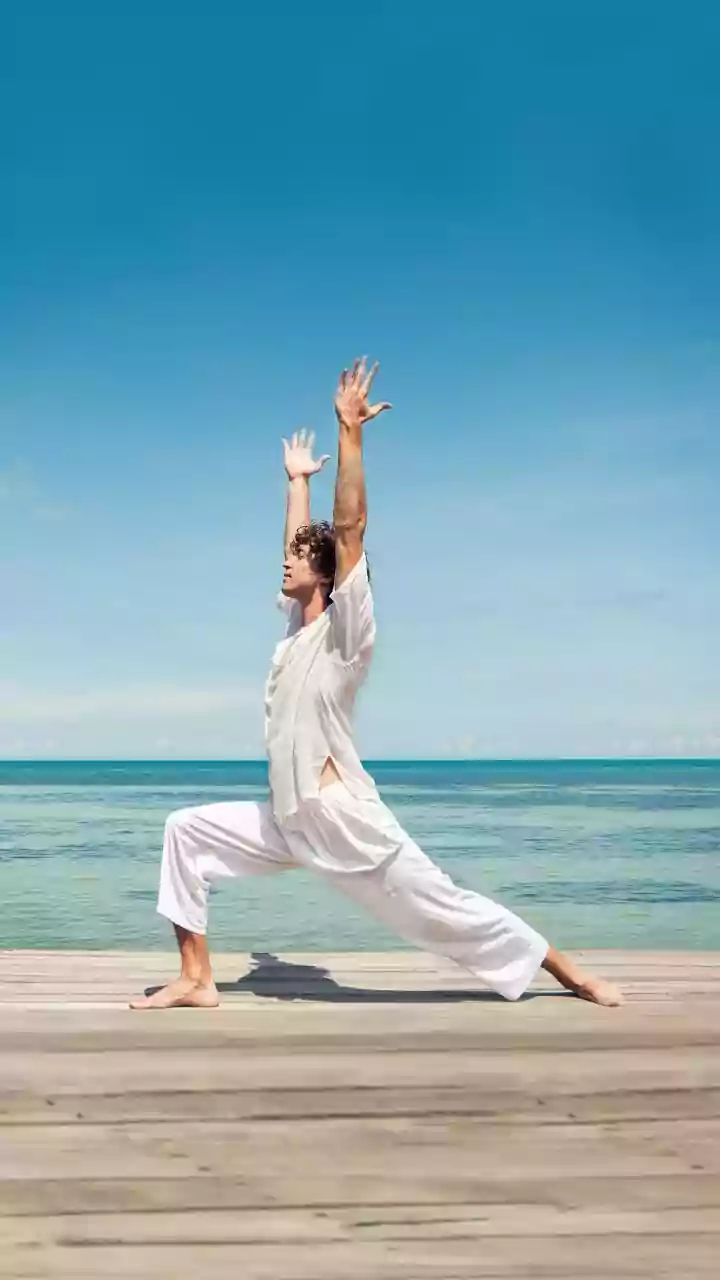




The Illusion of Opposition
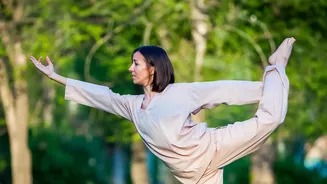
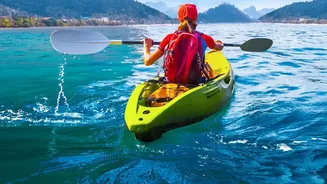
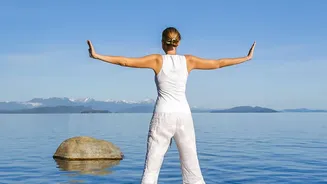
One practice is defined by its serene, flowing postures, often described as a 'meditation in motion'. The other involves propelling a craft through water, which can range from a calm glide to a battle with currents. Tai Chi is grounded stillness, while
kayaking is fluid momentum. But what if these two disciplines are simply different expressions of the same core principles? The link isn't just about general wellness; it's a deep biomechanical and mental connection rooted in how the body generates power efficiently and how the mind finds focus through repetitive, mindful action.
Power from the Core
A common mistake for a beginner kayaker is to 'arm-paddle', pulling the oar with their biceps and shoulders. This leads to quick fatigue. Experienced paddlers know that true power doesn't come from the arms, but from the torso. The proper technique involves planting the paddle and rotating the core—the large muscles of the abdomen and back—to drive the boat forward. The arms and shoulders act more like struts, transferring this rotational force. Similarly, a core principle of Tai Chi is that the waist controls all movement. Power originates from the 'dan tian', or lower abdomen, and flows outward through relaxed limbs. Whether on land or water, the lesson is the same: efficient, powerful movement is born from a strong and engaged core, not brute arm strength.
The Art of Balance and Stability
Balance is an obvious requirement in both activities. In kayaking, you are constantly making micro-adjustments to remain stable on an unstable surface, engaging core muscles to counteract the forces of wind and water. Tai Chi is a masterclass in balance and stability. Its slow, controlled weight shifts from one leg to the other—distinguishing between 'empty' and 'solid' stances—train the body to maintain a centered, upright posture. This practice strengthens the deep stabilizer muscles that support the spine and improves overall proprioception, or the body's awareness of its position in space. This skill of maintaining equilibrium under changing conditions is directly transferable from the dojo to the kayak.
A Meditative Flow State
Beyond the physical mechanics lies a profound mental parallel: the 'flow state'. This is a state of complete absorption where action feels effortless and self-consciousness fades. Tai Chi is renowned for inducing this state through its continuous, slow movements and focus on breath, which calms the nervous system and quiets the mind. The brain enters a mode of relaxed alertness. Kayaking fosters a similar mental zone. The rhythmic, repetitive nature of paddling can become meditative, demanding full presence and awareness of your surroundings. The need to adapt to the water's movement keeps the mind engaged in the present moment, detaching it from daily worries. In both disciplines, you stop 'trying' and simply 'do', becoming one with the movement.
Breathing and Rhythmic Flow
In Tai Chi, breath is integral, not an afterthought. The goal is to cultivate deep, slow, and calm breathing that is synchronized with the body's flowing movements. This coordination enhances the flow of 'qi' (energy) and promotes deep relaxation. Similarly, the steady cadence of paddling in kayaking creates a rhythm that synchronizes with the paddler's breathing. Working with the rhythm of the water, rather than against it, is key to efficiency. This connection between breath and continuous, rhythmic motion is what transforms a purely physical workout into a holistic, mind-body practice in both disciplines.