



The Mysteriously Empty Landmark
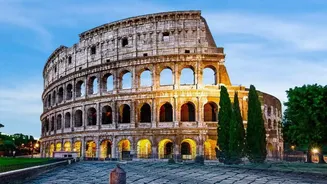
One of the most common forms of photo manipulation is making a bustling tourist hotspot look completely deserted. An influencer standing alone at Rome's Trevi Fountain or having Machu Picchu to themselves is almost always a digital illusion. Photos are
often taken at dawn to beat the crowds, but even then, it's rare to find total solitude. More often, photographers use techniques like taking multiple shots over time and layering them in editing software to erase other people. Some even use AI-powered tools to simply select and remove unwanted tourists from the frame. A quick way to check reality is to search the location's geotag on social media and look at pictures posted by regular travellers, which often show the true crowd levels.
Colours That Don't Exist in Nature
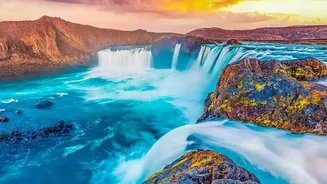
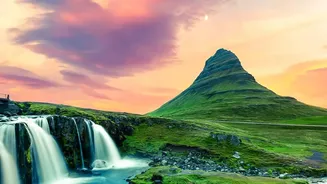
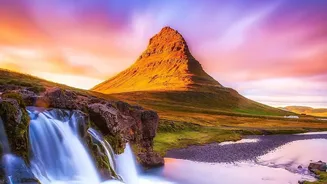
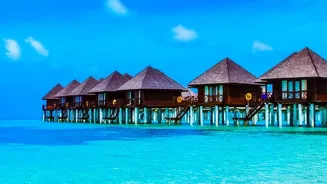
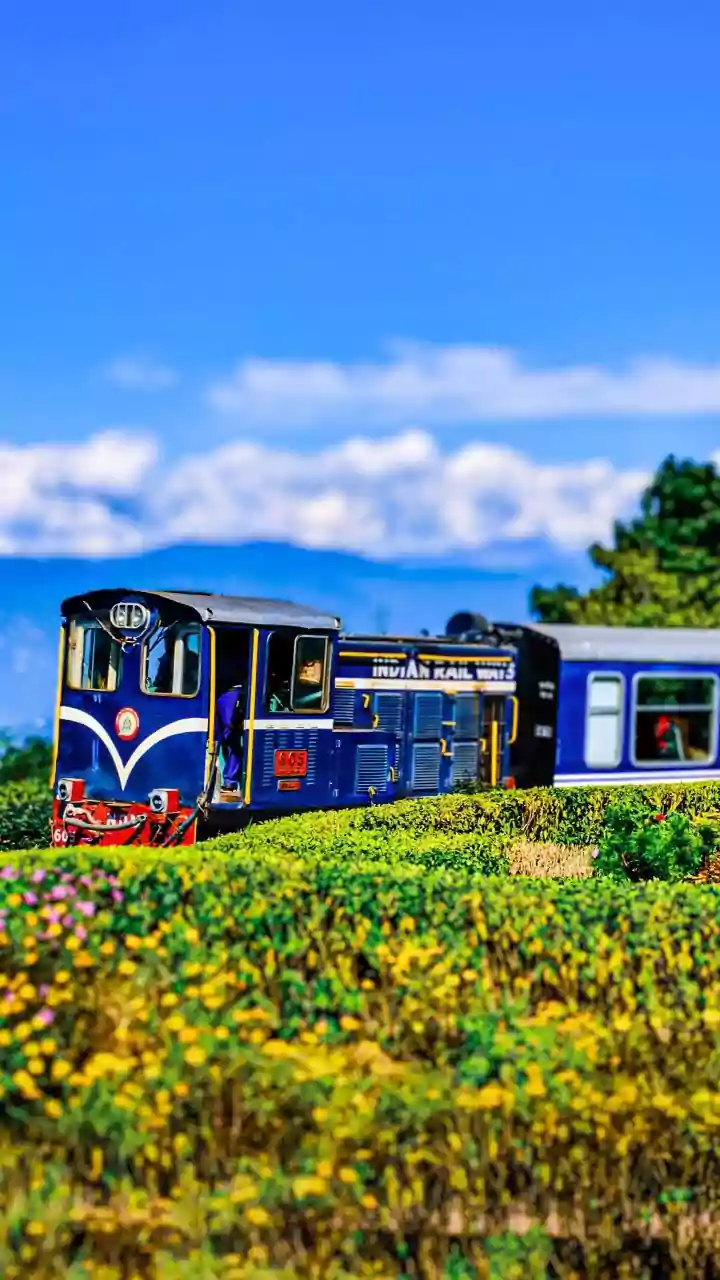
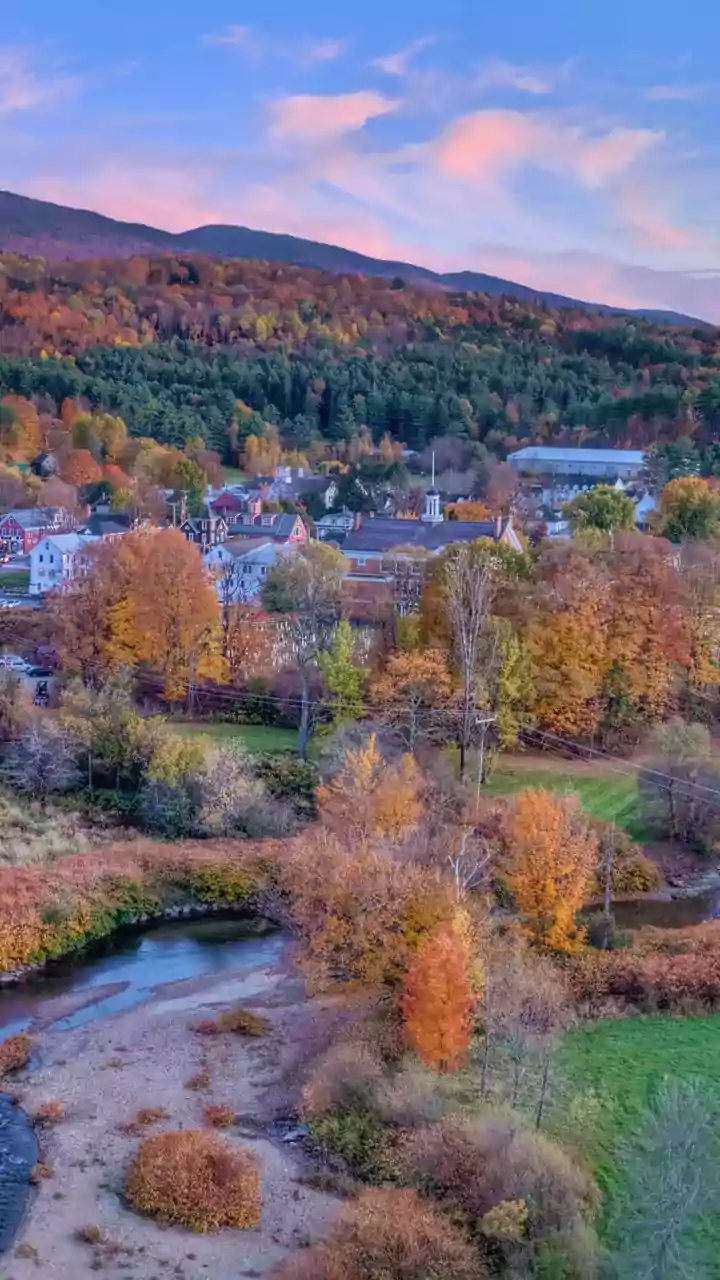
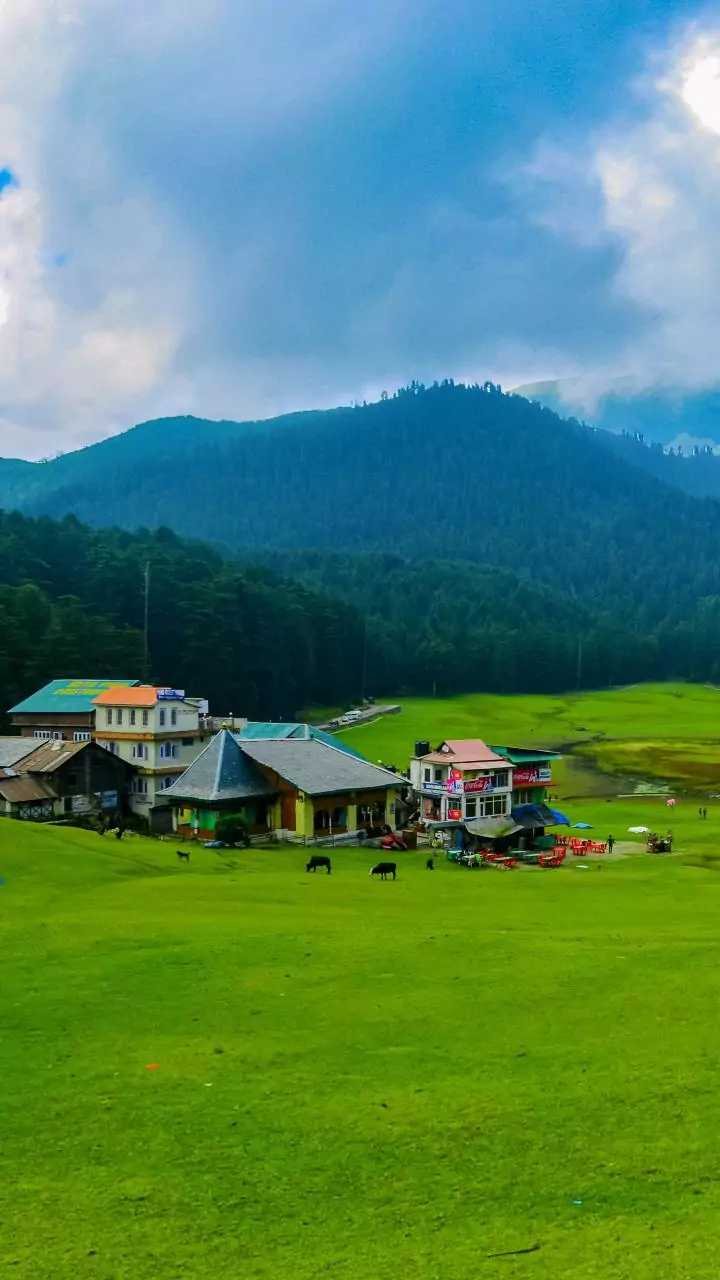
Does the water look an impossible shade of turquoise, or is the sunset a fiery magenta that seems too good to be true? It probably is. Oversaturation is a simple but highly effective trick. By boosting the colour intensity, photographers can make a dreary beach look like a tropical paradise or turn a standard sunset into a spectacular event. While some places, like the Blue Lagoon in Iceland, are naturally vibrant, extreme colours are often a red flag. Editing apps allow anyone to slide the saturation bar to maximum, making foliage look unnaturally green and skies a piercing blue. These edits can be deceptive, creating an expectation for vibrancy that reality simply can't match.
The Magic of Forced Perspective
That photo of someone appearing to hold the Leaning Tower of Pisa is a classic example of forced perspective, but the technique is used in subtler ways to mislead. By shooting from a very low angle, a small waterfall can be made to look enormous. Placing a person or object far from the background can make distant mountains or landmarks seem much grander and closer than they actually are. The famous photos of Christ the Redeemer in Rio de Janeiro often use specific angles to emphasize its scale, while in person, it might seem smaller than you imagined. Always be wary of photos where the scale feels slightly off; it’s often an intentional trick of the lens.
The Perfect Frame Hides the Truth
What you don't see in a photo is often more important than what you do. A beautiful, serene shot of the Pyramids of Giza rarely shows the sprawling city of Cairo right next to them. A stunning cliffside view in Santorini might carefully crop out the hundreds of other tourists packed into the same narrow street. This is the art of strategic cropping. Photographers find one perfect angle that eliminates distracting or unpleasant elements like rubbish bins, construction cranes, or chain restaurants just outside the frame. Before booking a trip based on a photo, try looking for the same spot on Google Maps Street View. It provides a 360-degree look that can reveal the less-than-perfect reality surrounding that picture-perfect scene.
Long Exposure and Blurring Crowds
Another clever technique for creating an illusion of solitude involves using a slow shutter speed, known as long exposure. This method is often used for photographing waterfalls to give the water a silky, smooth appearance. However, it can also be used to blur moving objects, like people. If a photographer uses a long exposure in a crowded plaza, the people walking around will blur into indistinct streaks or disappear entirely, leaving only the static architecture in sharp focus. This makes the location appear serene and empty when, in reality, it was bustling with activity. It’s a professional trick that creates a beautiful but fundamentally dishonest image of a popular place.
Check for Warped Backgrounds and Glitches
Sometimes, the editing job isn't perfect. When a photo is manipulated to alter a person's shape or remove an object, it can leave behind tell-tale signs in the background. Look for unnaturally warped or distorted lines in door frames, walls, or the horizon. An unusually blurry patch or a repeating pattern in a crowd or field of flowers might indicate the use of a “clone stamp” tool to cover something up. With the rise of AI-generated images, you might even spot inconsistencies like mismatched shadows, oddly bent street signs, or people with strangely formed hands. Zooming in to check for these small imperfections can reveal that the image is not as real as it seems.