




Kolkata: The Grand Cultural Epicentre
It is impossible to discuss Durga Puja without first paying homage to Kolkata. The city transforms into a grand, open-air art gallery, with thousands of pandals (temporary structures) competing for creative supremacy. Here, the festival is an Intangible
Cultural Heritage of Humanity, a recognition by UNESCO of its massive scale and artistic significance. Celebrations are a blend of tradition and innovation. North Kolkata pandals often stick to the 'sabeki' or traditional style, with the goddess and her children under a single frame, known as the 'ekchala'. South Kolkata, in contrast, is known for its high-concept themes, from replicating ancient temples to exploring contemporary social issues. The artistry begins months earlier in Kumartuli, the potters' quarter, where artisans sculpt the idols from clay, a tradition passed down through generations. For five days, the city doesn't sleep, as locals and tourists alike go pandal-hopping, indulging in street food and soaking in the unparalleled festive energy.
Delhi: A Slice of Bengal in the Capital
In Delhi, the heart of Durga Puja beats in Chittaranjan Park, or CR Park, an enclave fondly known as 'mini Kolkata'. Established as a colony for families displaced from East Pakistan after Partition, CR Park’s Puja began as a way to preserve cultural identity and build community. Today, it has blossomed into one of the capital's most significant cultural events. The pandals here are famous for their elaborate themes; in recent years, committees have recreated everything from Satyajit Ray's Sonar Kella to the Mahishadal Rajbari palace. Beyond the visual spectacle, the celebration is a feast for the senses, with the aroma of Bengali delicacies like fish cutlets and biryani filling the air and cultural programs running late into the night. While CR Park is the epicentre, vibrant celebrations can also be found in areas like Kashmere Gate and Greater Kailash, making Delhi a prime destination for those seeking an authentic Puja experience outside of Bengal.
Guwahati: Artistry with a Regional Touch
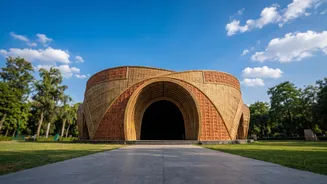
Guwahati celebrates Durga Puja with a distinctly Assamese character. While the devotion is the same, the execution is unique, with pandals often incorporating local materials and regional artistic styles. Creativity runs wild here, with themes ranging from whimsical recreations of 'The Jungle Book' and Harry Potter to grand replicas of the Kedarnath Temple or Jagannath Rath. Committees frequently use bamboo to construct pandals, showcasing local craftsmanship and an emphasis on sustainability. Socially relevant themes are also common, addressing issues like global warming or road safety. The celebrations in Guwahati are a testament to how the festival can absorb and reflect the local culture, creating an experience that is both familiar and refreshingly different. It is a vibrant hub for the entire Northeast, drawing crowds from across the region.
Mumbai: A Blend of Glamour and Tradition
Mumbai’s Durga Puja is a unique fusion of deep-rooted Bengali tradition and Bollywood glamour. The most famous celebration is the North Bombay Sarbojanin Durga Puja, hosted by the Mukerji family, which sees a regular stream of Bollywood celebrities like Kajol, Rani Mukerji, and Alia Bhatt paying their respects. This event offers a red-carpet edge to the festivities, where devotees might spot their favourite stars serving bhog (community feast). But the city's celebrations are not limited to star-studded pandals. Vibrant community pujas are held across areas like Lokhandwala, Powai, and Khar, each with its own charm. Some, like the one at the Ramakrishna Mission, are known for their strict adherence to traditional rituals, including the Kumari Puja, where young girls are worshipped as a form of the goddess. This mix of celebrity presence and community devotion gives Mumbai's Durga Puja its distinctive flavour.
Bengaluru: A Cosmopolitan Celebration
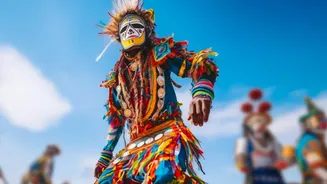
As a hub for a large and growing migrant population, Bengaluru's Durga Puja is a colourful mosaic of different traditions. The city’s Bengali community has established numerous pandals in areas like Koramangala, Indiranagar, and Whitefield, which have become major cultural hotspots during the festival. These celebrations are known for blending Bengal's cultural heritage with Bengaluru's cosmopolitan spirit. Pandals often showcase a fusion of art forms, combining traditional Chhau masks from West Bengal with Bhuta and Yakshagana masks from Karnataka. Food is a major draw, with pandals serving authentic Bengali bhog and hosting food stalls that offer a taste of home to the probashi (expatriate) community. The pujas in Bengaluru are as much about community building as they are about religious observance, offering a warm and inclusive welcome to all.