







The Proven Powerhouse: Muscle and Strength
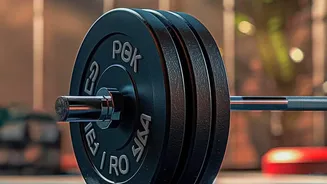
The strongest evidence for creatine lies in its ability to enhance high-intensity exercise performance. It works by increasing the availability of adenosine triphosphate (ATP), the primary energy currency of your cells. More available ATP means your muscles
can perform better during short, explosive efforts like weightlifting and sprinting. This allows you to handle more weight or complete more repetitions, which is a key driver for muscle growth. Studies consistently show that when combined with resistance training, creatine supplementation helps increase muscle mass, strength, and overall exercise capacity. This benefit is well-documented in a wide range of people, from young athletes to older adults looking to combat age-related muscle loss.
A Boost for Your Brain?
One of the most exciting areas of creatine research is its potential effect on brain health. Like muscles, the brain requires a significant amount of energy to function. Early research suggests creatine could offer cognitive benefits, particularly in situations of stress like sleep deprivation or for those with lower baseline creatine levels, such as vegetarians and older adults. Some studies point to improvements in memory and thinking skills. However, the evidence is still emerging and not entirely consistent. While promising, especially for conditions like traumatic brain injury or certain neurodegenerative diseases, experts agree more robust research is needed before creatine can be considered a reliable brain-booster for the general population.
The Truth About Weight Gain and Water
A common concern is that creatine causes unwanted weight gain. It's true that when you first start taking creatine, you may see the number on the scale go up by a small amount. This initial increase is primarily due to water retention, as creatine pulls water into your muscle cells. This is a normal part of how it works and is not the same as gaining body fat. In fact, this cell volumization may itself be a signal that promotes muscle growth. Over the long term, studies have shown that creatine does not necessarily alter your total body water relative to muscle mass, debunking the myth that it just makes you bloated. Any sustained weight gain is more likely from an increase in lean muscle, not fat.
Addressing the Safety Concerns
Despite its strong safety profile, myths about creatine's dangers persist. The most common worry is kidney damage. However, decades of research have shown that for healthy individuals, taking creatine at recommended doses (typically 3-5 grams per day) does not harm the kidneys. The confusion often arises because creatine can slightly elevate creatinine levels in the blood, a marker used to estimate kidney function, but this reflects creatine's breakdown, not kidney damage. The other persistent rumor is hair loss. This stems from a single, small 2009 study that has not been replicated; subsequent research has found no direct link between creatine and hair loss. For most healthy people, creatine is considered very safe, but individuals with pre-existing kidney or liver conditions should consult a doctor before use.
Is It Right for You?
Creatine is not a magic pill. Its benefits are most pronounced for those engaged in resistance training or sports involving short bursts of intense effort. Vegetarians and vegans may also see more significant benefits from supplementation because their dietary intake of creatine is low to non-existent. While older adults can use it to help preserve muscle mass and strength, the benefits are most apparent when combined with an exercise program. It's less useful for endurance activities like long-distance running. Ultimately, the decision to use creatine should align with your specific fitness goals and health status.