


Tirthan Valley, Himachal Pradesh
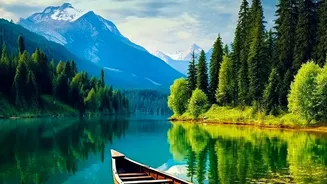
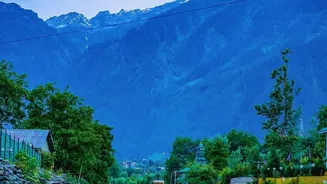
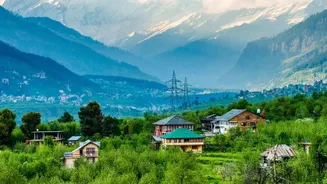
Forget the bustling streets of Manali and Shimla; Tirthan Valley in the Kullu district is where tranquility resides. A designated UNESCO World Heritage site, the Great Himalayan National Park forms the heart of this region, offering a paradise for nature
lovers and trekkers. The valley is defined by the pristine Tirthan River, its crystal-clear waters flowing through lush green forests and quaint hamlets like Gushaini and Sarchi. Unlike its commercialised neighbours, Tirthan promotes eco-tourism, with charming homestays and riverside camps offering an authentic Himachali experience. Activities here are simple yet profound: try your hand at trout fishing, embark on a day trek to a hidden waterfall, or simply relax by the river with a book. The best time to visit is during the spring and summer months (April to June) for pleasant weather or in autumn (October to November) for crisp air and clear skies.
Munsiyari, Uttarakhand
Often called the ‘Gateway to the Panchachuli Peaks’, Munsiyari is a small town in Uttarakhand that offers some of the most dramatic and up-close views of the Kumaon Himalayas. Situated at an altitude of about 2,298 meters, it is a haven for trekkers, bird watchers, and anyone seeking solitude amidst towering snow-clad peaks. The main attraction is the stunning vista of the five Panchachuli peaks, which dominate the skyline and look glorious at sunrise and sunset. Munsiyari serves as the base for several challenging treks, including the one to Milam Glacier. For those looking for lighter excursions, the trek to Khaliya Top provides panoramic views of the surrounding mountains and valleys. The town itself retains a rustic charm, offering a glimpse into the slow-paced life of the mountains. The ideal times to visit are from April to June and again from September to November.
Chopta, Uttarakhand
Popularly known as the 'Mini Switzerland of India', Chopta is a small region of evergreen forests and meadows in the Garhwal Himalayas. What makes Chopta special is its pristine beauty and its significance as the base for the trek to Tungnath, the world's highest Shiva temple, and further up to the Chandrashila summit. The Chandrashila trek rewards adventurers with a breathtaking 360-degree view of Himalayan peaks like Nanda Devi, Trishul, and Chaukhamba. The region is a part of the Kedarnath Wildlife Sanctuary, making it a hotspot for birdwatching with over 240 species, including the Himalayan Monal. Unlike heavily developed tourist centers, Chopta's appeal lies in its untouched meadows, camping opportunities, and tranquil atmosphere, making it a perfect year-round destination.
Kalpa, Himachal Pradesh
High up in the Kinnaur district, Kalpa is a serene village that offers one of the most majestic front-row views of the sacred Kinner Kailash range. This quiet hamlet, surrounded by apple orchards and pine forests, is a world away from the traffic and commercialism of other popular spots. The culture here is a unique blend of Hinduism and Buddhism, which is reflected in its beautiful temples and monasteries. The main activity in Kalpa is to slow down and soak in the views as the peaks change colour throughout the day. A walk to the nearby Roghi village offers a glimpse into traditional Kinnauri life and architecture, with its cliff-hugging roads providing thrilling views. While it serves as a stopover for those heading to Spiti Valley, Kalpa deserves a stay of at least a couple of days to truly appreciate its peaceful vibe.
Gurez Valley, Jammu & Kashmir
For those truly seeking to go off the grid, Gurez Valley in northern Kashmir is an unparalleled destination. Located near the Line of Control, this remote valley was not easily accessible to tourists until recently, preserving its raw, untouched beauty. The journey itself, crossing the high-altitude Razdan Pass, is an adventure with stunning panoramic views. The valley is cradled by snow-capped mountains and bisected by the shimmering Kishanganga River. The local population are ethnic Dards, and their unique culture and traditional log houses give Gurez a distinct character, often compared to a European countryside. Life here is simple and deeply connected to nature. It is an ideal spot for camping, trout fishing, and photography. Given its location, visitors should check current travel advisories and may need permits. The best time to visit is from May to September when the valley is lush and accessible.