







The Real Cost of Impulse Snacking
That daily samosa, chai, or on-demand smoothie adds up. Beyond the obvious financial cost—which can amount to a significant sum each month when factoring in delivery fees and markups—there are hidden tolls. Frequent consumption of sugary or heavy snacks
can lead to an energy crash, ironically reducing the very productivity you sought to boost. When hunger strikes without a plan, we often fall prey to whatever is fastest and most convenient, which is rarely the most nutritious or cost-effective option. Studies show that when we're tired or stressed, our ability to resist temptation weakens, making the effortless click of an 'order now' button almost inevitable. The cycle of impulse ordering, followed by a sugar crash and budget anxiety, takes a toll on both our well-being and our work performance.
Planning Trumps Willpower
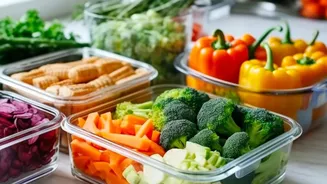
The solution isn't to simply 'try harder' to resist. The modern workplace is full of triggers, and decision fatigue is a real phenomenon. After a morning of making important choices, your brain's capacity for self-control is diminished. This is why a simple, pre-made plan is your most powerful tool. By deciding what you'll snack on ahead of time, you remove the in-the-moment decision that leads to impulsive choices. Meal prepping and snack planning are about reclaiming control and making your healthy habit the easiest possible option. The goal is to reduce the 'friction' around eating well while increasing it around impulse ordering. Having a satisfying snack ready in your drawer is far easier than scrolling through an app, choosing a restaurant, and waiting for delivery.
How to Build Your Snack Blueprint
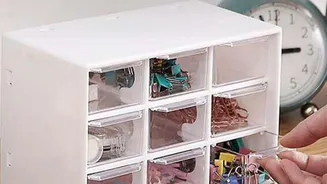
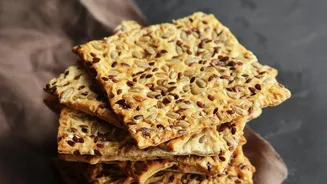
Creating a work snack plan doesn't have to be complicated. Start by thinking about your typical workday. When do you usually feel hungry? What kind of snacks do you crave? A good plan includes a balance of protein, healthy fats, and fibre to provide sustained energy. First, create a rotating list of 5-7 simple, non-perishable snacks you enjoy. This could include things like almonds, walnuts, roasted makhana (fox nuts), protein bars, or whole-grain crackers. Next, dedicate a specific time each week for 'snack prep'. This might just mean portioning out nuts into small bags or ensuring your office drawer is stocked for the week ahead. The few minutes you spend planning upfront will save you time, money, and mental energy later.
Stock Your Office Arsenal
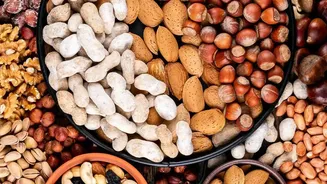
Your desk drawer can become a bastion against bad decisions. The key is to stock it with items that are shelf-stable, tasty, and satisfying. Nuts and seeds like almonds, pistachios, and cashews are excellent choices, offering healthy fats and protein that promote satiety. Roasted chickpeas or peas provide a crunchy, high-fibre alternative to chips. For a touch of sweetness, consider dried fruits like dates or apricots, or a small piece of dark chocolate. Even fresh fruits like bananas, apples, and oranges are easy, portable options. The idea is to have a variety of textures and flavours on hand so that when a craving hits, you have a genuinely appealing alternative ready to go, preventing you from feeling deprived.
The 'Treat' Is Still in the Plan
This strategy isn't about banning your favourite treats; it's about enjoying them intentionally. Banning foods entirely often backfires, leading to stronger cravings and eventual overindulgence. Instead of impulsively ordering a pastry on a stressful Tuesday, plan a 'treat snack' for Friday afternoon. By scheduling it, you transform it from an impulse buy into a planned reward. You can look forward to it without the associated guilt. This approach also allows you to choose a higher-quality version from a place you love, rather than settling for whatever is available on a delivery app. Planning gives you control, turning food from a source of stress into a source of deliberate enjoyment.