


Why A Paw Cleaning Station Works
Every dog owner knows the post-walk dance: the frantic attempt to intercept a muddy pup before they redecorate the house. A dedicated cleaning station by the door is a simple but game-changing solution. The primary benefit is consistency. By having all
your tools in one place, you're more likely to make paw cleaning a non-negotiable part of every return home. This routine not only protects your floors and furniture but also serves as a crucial hygiene practice for your pet. Paws can pick up everything from dirt and allergens to harmful chemicals from treated lawns or roads. A quick clean after every walk prevents your dog from ingesting these substances while grooming and reduces the risk of skin irritation or infections. It’s a small habit that pays huge dividends for the cleanliness of your home and the well-being of your furry companion.
The Foundation: Simple And Safe
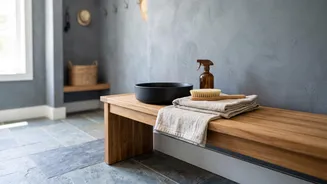
The heart of any effective paw cleaning routine is surprisingly simple: lukewarm water. You don't need expensive gadgets to get the job done. Water that is too hot can be uncomfortable or even burn your dog's sensitive paw pads, while water that's too cold can be unpleasant and less effective at loosening grime. Lukewarm water strikes the perfect balance. All you need is a small bowl, jug, or even a spray bottle filled with it. Paired with a soft, absorbent towel—microfiber is an excellent choice—you have everything required for a basic, effective clean. This minimalist approach is gentle, safe, and removes the vast majority of everyday dirt and allergens. Before investing in anything else, mastering this simple water-and-towel method is the most important step.
Assembling Your Perfect Station
Creating your station is easy and can be adapted to your space, whether you live in a large house or a small apartment. The key is to keep it contained and convenient. Start with a waterproof base like a rubber boot tray or a silicone mat to catch any spills. This defines the cleaning zone. Next, gather your core items: a designated 'paw towel', and your source of lukewarm water. A small bucket or a large bowl works well for a quick dip, or a spray bottle can provide a mess-free rinse. You might also want a small, covered bin for disposing of used wipes or other waste. Having everything organised in a basket or on a small shelf next to the door makes the process seamless. The goal is to eliminate any excuses by making the setup so easy and accessible that you can perform the clean-up in seconds.
Optional Upgrades for Extra Convenience
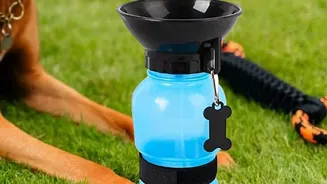
While water and a towel are the essentials, a few optional upgrades can make the job even easier, especially for very muddy days or dogs with long fur. Pet-safe wipes are a great addition for quick cleans or for when you're on the go. Unlike human baby wipes, they are formulated for a dog’s skin pH and won't cause irritation. For a deeper clean without a full bath, a 'paw plunger' or washer can be very effective. These silo-shaped cups have soft silicone bristles inside; you add a little water, insert the paw, twist, and the bristles gently scrub away mud. If you notice your dog’s paws are particularly dirty, a small amount of a mild, dog-specific shampoo can be added to the water, but be sure to rinse it off completely to avoid irritation.
Making It A Positive Routine
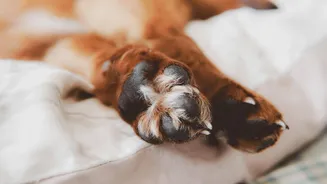
The best cleaning station in the world is useless if your dog dreads using it. Turning paw cleaning into a positive, stress-free experience is crucial for long-term success. The key is positive reinforcement. When you begin, have high-value treats ready. Start slowly. The first few times, you might just have your dog step onto the mat and reward them. Then, progress to simply touching their paws, then introducing a damp cloth. Keep the sessions short, calm, and full of praise. Each cleaning session is also an opportunity to inspect your dog's paws for any cuts, thorns, or signs of irritation between the toes. By associating paw cleaning with treats and gentle handling, your dog will learn to see it as a normal and even rewarding part of coming home, rather than a daily battle.