





What Exactly Is Phantom Braking?
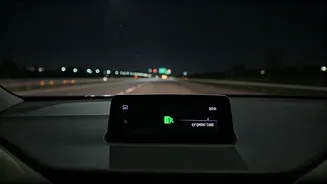
Imagine cruising down a clear highway, with no obstacles in sight, when your car suddenly and aggressively brakes on its own. This unsettling and dangerous phenomenon is known as phantom braking. It's not a mechanical failure of the brakes themselves,
but a software glitch. The issue occurs when a car's advanced driver-assistance system (ADAS)—such as Tesla's Autopilot or Traffic-Aware Cruise Control—misinterprets data from its sensors. The system might mistake a shadow from an overpass, a reflection off the road, or a harmless object for an imminent collision threat, triggering the automatic emergency braking (AEB) system unnecessarily. For drivers, the experience is jarring, and for those following behind, it creates a serious risk of a rear-end collision.
From a Flood of Complaints to a Trickle
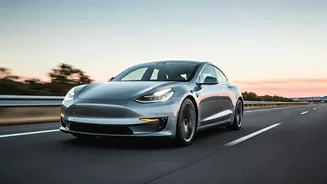
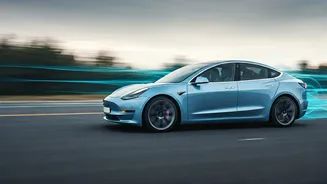
The problem reached a fever pitch in early 2022, prompting a formal investigation by the U.S. National Highway Traffic Safety Administration (NHTSA). The probe was opened after the number of complaints surged from just under 100 at the end of 2021 to over 300 in a matter of months, eventually covering nearly 700,000 Tesla Model 3 and Model Y vehicles from the 2021 and 2022 model years. But the latest data reveals a dramatic turnaround. According to NHTSA filings, reported incidents have fallen precipitously, from 45 in 2024, down to 19 in 2025, and remarkably, only three in the first half of 2026. This drastic reduction prompted the agency to close its four-year investigation in July 2026.
Software Updates and a Shift in Tech
So, what exorcised this ghost from the machine? The primary answer lies in software. Automakers, particularly Tesla, which was at the center of the investigation, rolled out a series of over-the-air (OTA) software updates starting in early 2022 designed specifically to address the problem. These updates refined the algorithms that process visual data, making the system better at distinguishing real threats from false alarms. Investigators also pointed to a significant technological shift as a contributing factor. In 2021, Tesla transitioned from a system that used both radar and cameras to one that relies on vision only. This initial move appeared to coincide with the spike in complaints, suggesting the vision-only system had teething issues. Subsequent software patches seem to have effectively trained the system, improving its real-world performance and reliability.
The Regulatory Role
The sustained pressure from federal regulators played a crucial role in pushing for a solution. The NHTSA's preliminary evaluation, designated PE22002, put a formal spotlight on the issue, compelling Tesla to dedicate significant resources to fixing it. While the investigation ultimately concluded that the events did not lead to lane departures or a meaningful collision risk, the sheer volume of complaints was a clear signal of a problem impacting consumer trust and safety perception. The closure of the probe is a significant milestone, suggesting regulators are satisfied that the corrective actions have adequately addressed the hazard. However, the NHTSA noted that it could reopen the case or take further action if circumstances change, ensuring ongoing accountability.
Is the Problem Truly Solved?
For the hundreds of thousands of owners affected, the news provides significant reassurance. The data strongly indicates that for vehicles running the latest software, the phantom braking issue has been largely resolved. The success of the OTA updates showcases a modern approach to automotive recalls, where complex issues can be fixed remotely without requiring a trip to the dealership. While the drop in complaints to just three is overwhelmingly positive, the story of phantom braking serves as a critical lesson in the development of autonomous driving technology. It highlights the immense challenge of teaching an AI to navigate the unpredictable real world and the importance of robust, redundant sensor systems. The journey from a widespread scare to a manageable software bug demonstrates both the pitfalls and the potential of our increasingly computerized cars.