


What's New on the Test Mule?
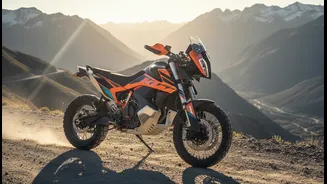
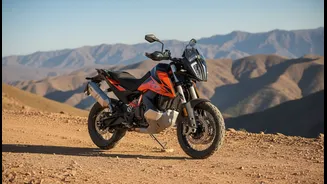
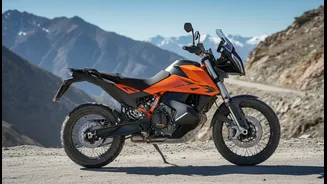
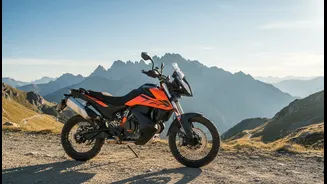
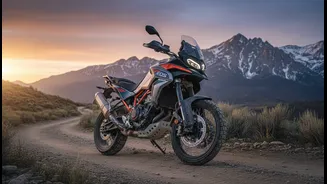
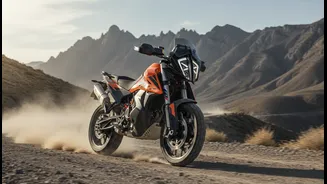
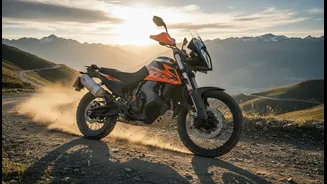
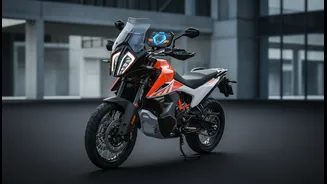
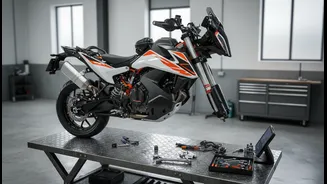
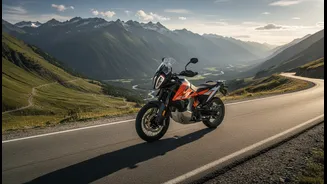
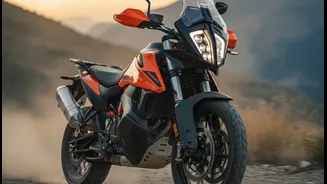
Recently, images of what appears to be a next-generation KTM 790 Adventure have been circulating, showing a motorcycle undergoing testing in Austria. While the underlying frame and proven LC8c engine seem familiar, the bodywork, ergonomics, and key components
signal a major rethink. The most dramatic change is the departure from the brand's signature low-slung 'saddle' fuel tanks. For years, this design has been a point of debate; praised by some for lowering the center of gravity, but criticized by others for its aesthetic and perceived vulnerability. The test bike features a more conventional, single fuel tank, which, combined with a sharper, more cohesive fairing design, gives the bike a leaner and visually lighter profile. This move away from a long-standing design hallmark is a strong indicator that KTM is reassessing its core philosophies.
A Clear Nod to Accessibility
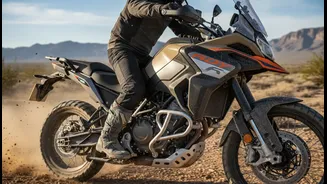
One of the most persistent pieces of feedback from the adventure riding community concerns seat height. Adventure bikes, with their long-travel suspension and high ground clearance, can be intimidating for many riders due to their tall seats. While KTM has offered lower seat options as accessories or on specific variants in the past, like with the 390 Adventure, this new test mule appears to integrate accessibility more deeply into its primary design. The test bike is seen with a long, single-piece seat instead of the split-seat design on the current model, which could offer more flexibility for rider movement and potentially a lower standard height. This, combined with the reshaped tank, suggests a narrower stand-over profile, making it easier for a wider range of riders to confidently touch the ground. This isn't just about comfort; it's a direct response to a market barrier that has kept many potential customers away from the brand's larger models.
Refining Comfort for the Long Haul
KTM's hardcore, off-road focus has sometimes come at the expense of long-distance touring comfort. The new test bike seems to address this head-on. A taller, more substantial windscreen is clearly visible, aimed at reducing wind blast on long highway stints. The overall bodywork appears wider and more integrated, suggesting better weather protection. The ergonomics also seem geared more towards all-day riding comfort, with a rider triangle that appears relaxed and neutral. These may seem like small changes, but for riders who use their adventure bikes for touring as much as for trail riding, they are significant priorities. It suggests KTM is acknowledging that not every adventure ride is a sprint in a desert rally; many are multi-day journeys that require a machine that is as comfortable as it is capable.
Balancing 'Race' with 'Ready to Ride'
So, is KTM going soft? Not likely. The prototype still features high-spec components, including WP suspension and new WP-branded brakes, indicating a continued commitment to high performance. The engine is expected to be the same potent 799cc parallel-twin, known for its lively character. Rather than abandoning its 'Ready to Race' identity, KTM appears to be broadening its definition. The company seems to be learning that for the majority of adventure riders, usability, comfort, and accessibility are not 'nice-to-haves'—they are core requirements. This test bike suggests a strategic move to create a more balanced machine that retains KTM's performance DNA while being more appealing and practical for everyday riders and long-distance tourers. It's a sign of a mature brand listening to its market, aiming to build not just the fastest and most aggressive bike, but the best all-around adventure motorcycle.