





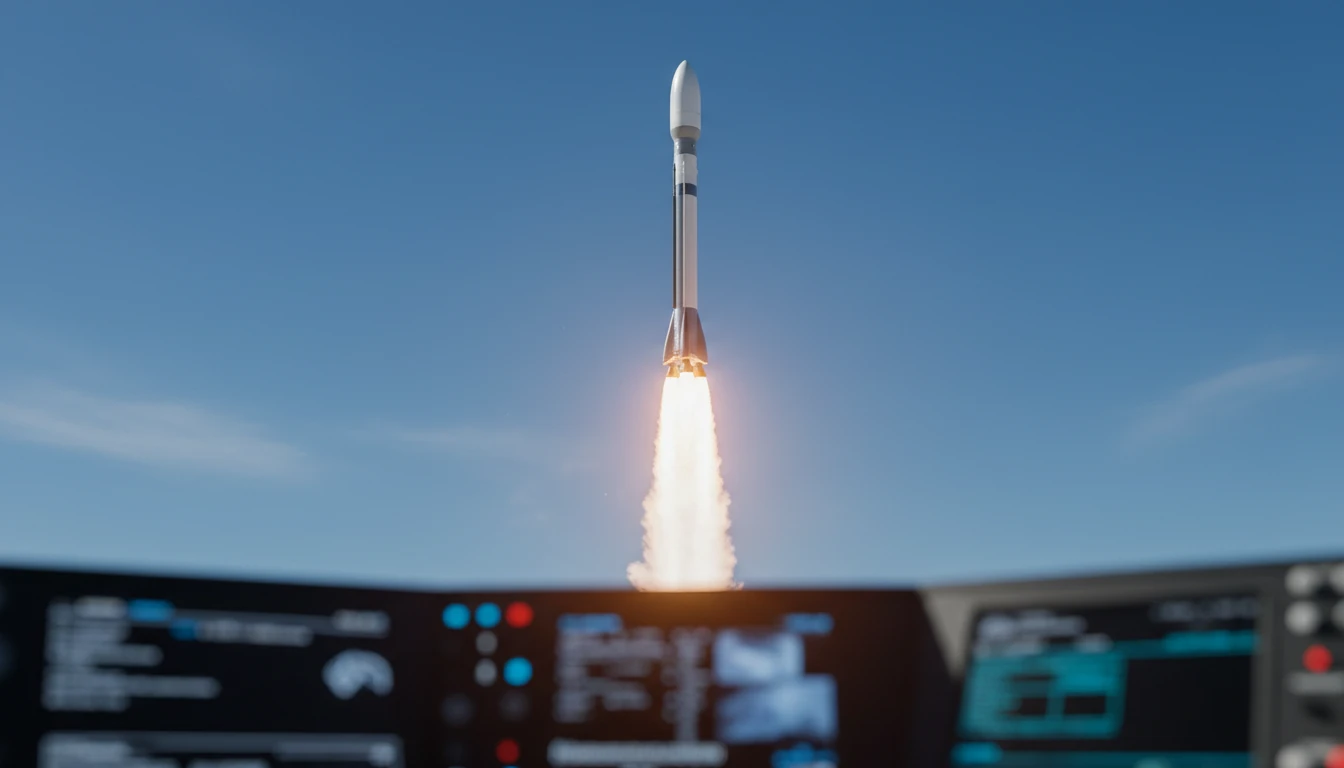
The Launch That Ignited an Industry
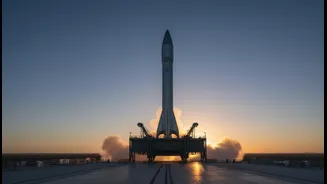
The term "first launch" has become a pivotal milestone, most notably marked by Skyroot Aerospace's Vikram series of rockets. These missions, India’s first by a private company, did more than just deploy satellites; they sent a clear signal that the nation's
space sector was open for business. For decades, space was the exclusive domain of the Indian Space Research Organisation (ISRO). But policy reforms in 2020, followed by the Indian Space Policy 2023, created a new playbook. These changes established organisations like the Indian National Space Promotion and Authorisation Centre (IN-SPACe) to act as a bridge, enabling and regulating private companies to build, launch, and operate in space. The successful launches by startups like Skyroot Aerospace and AgniKul Cosmos proved that the private sector could not only participate but succeed, transforming a government-led program into a dynamic, collaborative ecosystem.
More Than Just Rocket Scientists
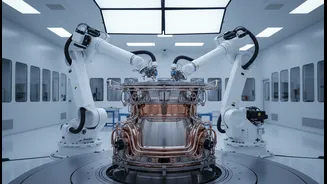
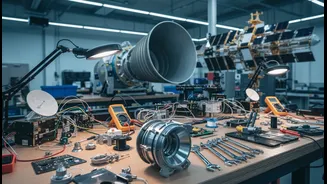
When we think of space jobs, we often picture brilliant scientists in lab coats. The reality of India's new space economy is far more diverse. The growth from just a handful of space startups in the last decade to over 400 today has created a surge in demand for a wide array of skills. Yes, aerospace engineers are crucial, but so are software developers creating ground control systems, data analysts interpreting satellite imagery for agriculture and urban planning, and technicians skilled in advanced manufacturing with materials like carbon composites. The founders of Skyroot Aerospace, former ISRO scientists themselves, built their Vikram-1 rocket with components from 400 Indian suppliers, showcasing how the demand ripples through the manufacturing and SME sectors. This expansion requires lawyers specialising in international space treaties, finance professionals securing venture capital, and marketing experts who can navigate a global launch market.
The Growing Ecosystem
A single rocket launch is the most visible part of a deep and complex industrial chain. The privatisation of space has catalysed an entire ecosystem that extends far beyond the launchpad. The demand for satellites is fuelling growth in high-throughput communication technologies and Earth observation services, creating opportunities in tele-education, telemedicine, and disaster management. The value of the domestic satellite communications market alone is projected to grow significantly, reaching nearly USD 15 billion by 2033. This economic activity directly and indirectly creates employment. Studies show the Indian space sector already supports tens of thousands of jobs, with a significant multiplier effect on the broader economy. For every one dollar of revenue generated by the space sector, it adds more to the national GDP, demonstrating a high level of productivity.
Building the Next Generation
To meet the ambitious target of growing India’s share of the global space economy from 2-3% to a projected 8-10%, a skilled workforce is non-negotiable. Recognising this, both government agencies and private players are investing in talent development. IN-SPACe has partnered with prestigious institutions like IIT Bombay to create specialised courses on everything from satellite technology to entrepreneurship in the space sector. These programs are designed to equip graduates, researchers, and industry professionals with the technical and business acumen needed to thrive. ISRO also contributes by transferring its decades of technological expertise to private industries and running various training programs. The success of companies led by young teams—the average age at Skyroot Aerospace is just 28—serves as a powerful inspiration, encouraging a new generation to pursue careers in the space industry.