






Assess Your Workout Arena
Before you even think about lifting a backpack full of books or using a chair for tricep dips, take a hard look at your environment. Your home is not a purpose-built gym. Start with the floor. Working out on slippery rugs or towels is a recipe for a fall.
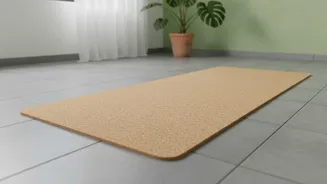
If possible, clear a space on a stable, non-slip surface. A thick exercise mat can provide necessary cushioning and grip, especially for exercises that involve jumping or floor work like planks. Next, look around and above you. Create a clear perimeter of at least a few feet in every direction. This means moving coffee tables, stray toys, and floor lamps. Don't forget to check for overhead clearance; low-hanging light fixtures or ceiling fans can be a real hazard during dynamic movements or overhead presses.
Vet Your Improvised Equipment
Not all household items are created equal when it comes to fitness. The key is to evaluate each item for its stability, grip, and structural integrity. A full gallon jug of water can be a great substitute for a dumbbell or kettlebell, but a glass bottle is a significant risk. Canned goods can work for light weights, but make sure you can grip them securely. A sturdy backpack filled with books is an excellent way to add resistance for squats and lunges, as the weight is held close to your center of gravity. When using chairs for exercises like dips or step-ups, ensure the chair is rock-solid and won't tip or slide. Always test your improvised equipment with your body weight before committing to a full set of exercises.
Beware of Dynamic Distractions
In a gym, people are generally focused on their own routines. At home, distractions are everywhere and can seriously increase your risk of injury. Pets and small children are a primary concern, as they can wander into your workout space without warning, creating a sudden trip hazard. It’s best to secure them in another room for the duration of your workout. The television, your phone, or even a pile of laundry waiting to be folded can pull your focus away from maintaining proper form. An awkward twist or a loss of concentration while lifting an object—even a relatively light one—can lead to muscle strains, sprains, or more serious back issues. Dedicate your workout time to just your workout.
Prioritise Your Body's Signals
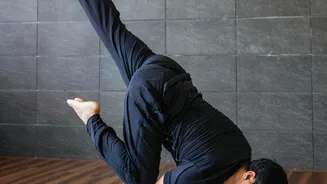
The most important safety feature in any workout is you. Start every session with a proper warm-up, like jogging in place or dynamic stretching, to prepare your muscles for the work ahead. Wearing proper footwear with good support can prevent stress on your feet and joints, though some exercises like yoga or Pilates are better done barefoot on a mat. The biggest advantage of working out without the pressure of a class or gym environment is the ability to listen to your own body. If a movement doesn't feel right or causes pain, stop. Using improvised equipment means you may be engaging muscles in slightly different ways. Don't push through sharp pain, as this can turn a minor issue into a long-term injury. Common injuries from home workouts often involve the lower back, shoulders, and knees due to improper form or overuse.