

The Science of the Lean
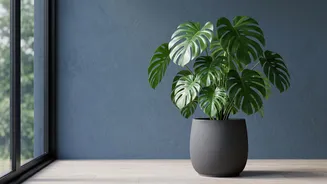
That noticeable tilt your plant develops is a natural survival instinct called phototropism. In simple terms, plants grow toward their light source to maximize energy production through photosynthesis. Every plant contains growth hormones called auxins.
On the side of the plant that gets less light, these auxins work overtime, causing cells to elongate and grow longer. This makes the shady side grow faster and spindlier, creating the lean toward the sunnier side, which has sturdier, more compact growth. While this is a brilliant strategy for survival in nature, indoors it can lead to a lopsided, unstable, and less aesthetically pleasing plant.
The Quarter-Turn Rule of Thumb
So, how often should you intervene? The most common advice from horticultural experts is to give your plant a quarter-turn rotation regularly. Many suggest tying this action to your watering schedule to make it a consistent habit. For instance, giving the pot a 90-degree spin every time you water ensures that over a month or so, all sides of the plant will have had their time in the sun. During peak growing seasons like spring and summer, a weekly turn is beneficial to keep up with faster growth. This simple act encourages the stem to straighten up, promoting stronger, more even development. However, avoid drastic changes; a sudden 180-degree turn can shock the plant, causing stress, drooping, or even leaf discoloration.
Listen to Your Plant, Not a Calendar
While the quarter-turn rule is a great starting point, the best approach is observation. Not all plants grow at the same speed or have the same light requirements. A fast-growing plant in a bright spot might show a lean in just a week, signalling it’s time for a turn. Others, like slow-growing cacti or succulents, might need rotating only every few months. Signs that your plant needs more light or a rotation include a visible lean, stretched stems with large gaps between leaves (a condition known as etiolation), and new leaves that are smaller or paler than older ones. If the side of the plant away from the window looks sparse or bare, that's a clear cue to start rotating.
When Not to Rotate
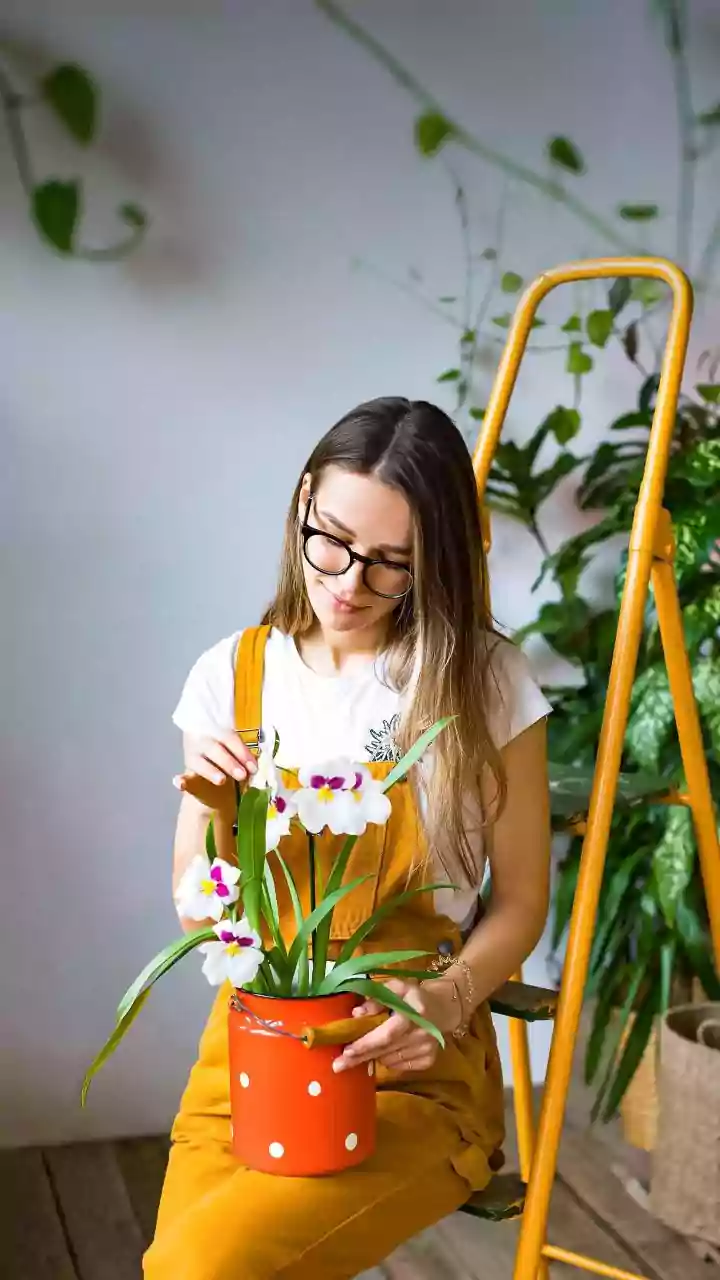
Rotation isn't a universal rule for every single plant. There are specific situations where it’s better to leave your plant alone. Flowering plants like orchids and Christmas cacti that have already formed buds should not be turned. Changing their orientation to the light can cause them to drop their buds before they bloom, as the plant has to expend energy to realign itself. Similarly, plants that have been trained to climb a trellis or vining plants arranged in a specific way may lose their shape if rotated. Some climbing aroids, for example, have a distinct 'front' and 'back' and do best when left to grow in a consistent direction. In these cases, it's better to ensure the initial placement provides adequate light rather than relying on rotation.
More Than Just Good Looks
Rotating your houseplant does more than just create a symmetrical, attractive shape. It contributes to the plant's overall health and vigor. Ensuring all leaves get access to light maximizes the plant's ability to photosynthesize, boosting its energy production. It also encourages stronger stem development, making the plant more structurally sound. Furthermore, regular turning improves air circulation around the foliage, which can help prevent the development of fungal diseases and deter pests from settling in one hidden spot. The act of rotation also gives you a perfect opportunity to inspect your plant for any signs of trouble, like pests or dead leaves, allowing you to address issues before they become major problems.