
A Foundation of Instability
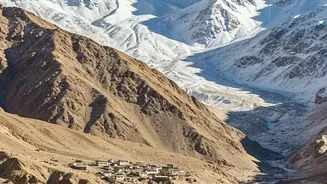
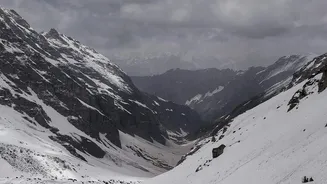
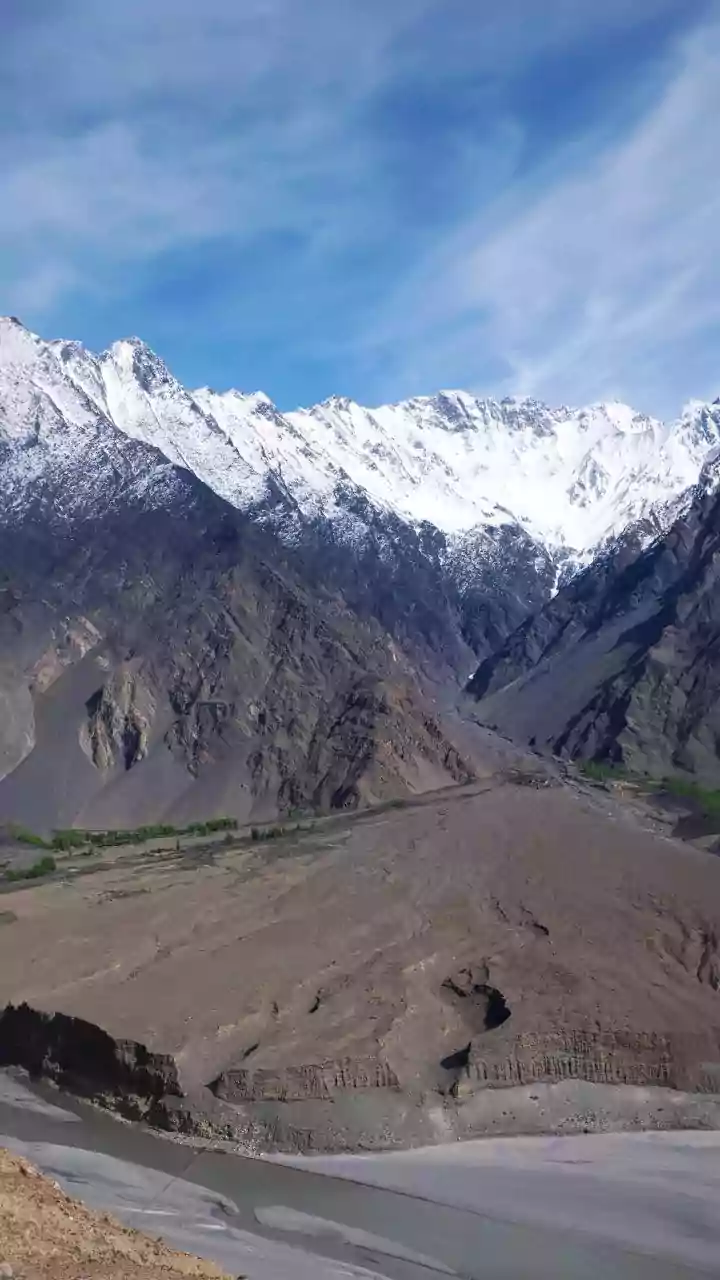
The story of the Himalayas' danger begins with its creation. This is the world's youngest major mountain range, born from the ongoing collision between the Indian and Eurasian tectonic plates. This immense geological pressure, which causes the mountains
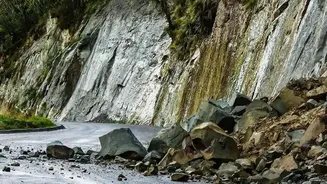
to continue rising, also makes the entire region intensely seismically active. The ground beneath is inherently unstable, riddled with fractured rock and steep slopes, creating a natural predisposition for earthquakes and landslides. This fundamental geological fragility sets the stage for all other hazards, making the mountains a volatile environment even without other factors at play.
The Double Threat of Water and Ice
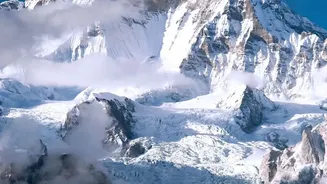
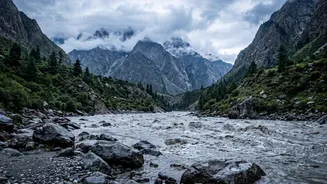
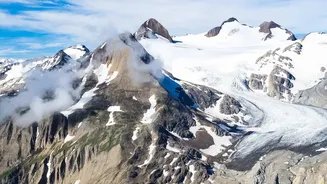
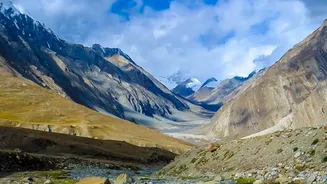
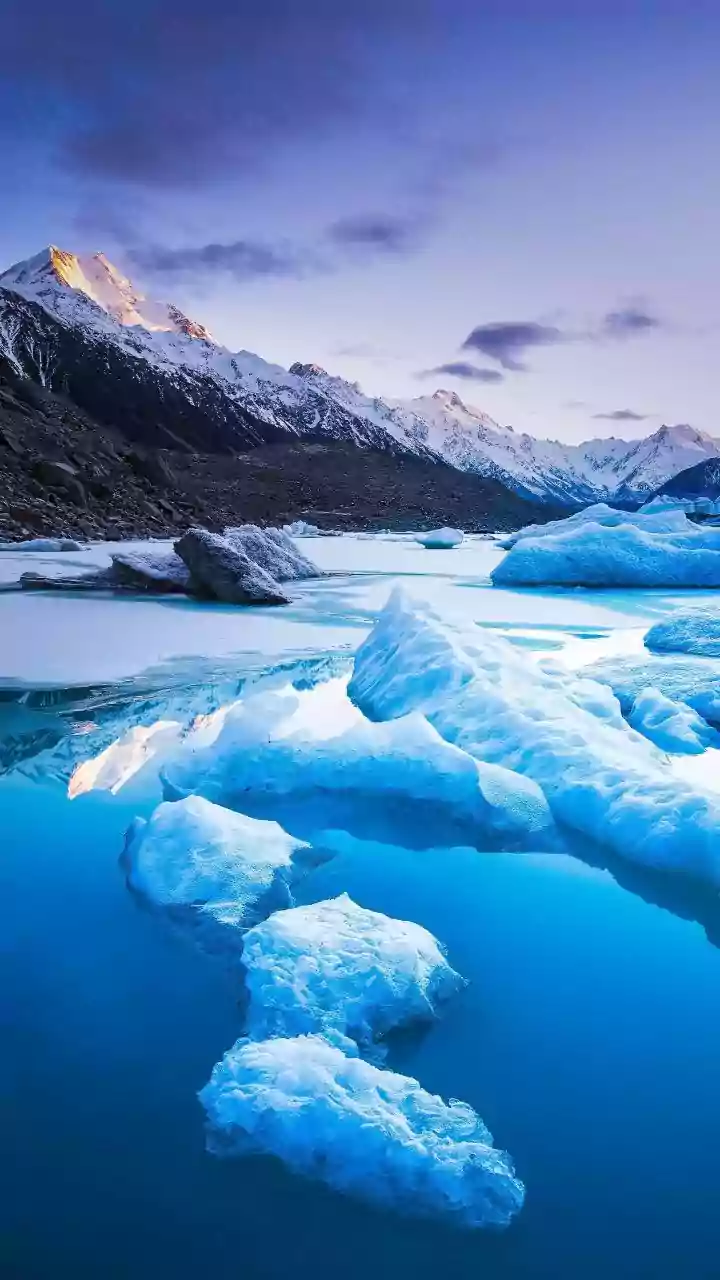
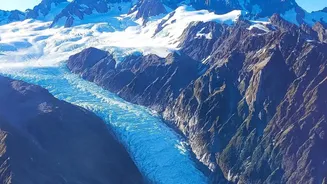
Often called the “Third Pole,” the Himalayas hold the largest concentration of ice outside the polar regions. These glaciers feed Asia’s great rivers, which support billions of people. However, climate change is causing this ice to melt at an accelerating rate. This has two perilous consequences. Firstly, it creates and expands thousands of glacial lakes, often held back only by unstable natural dams of loose rock and debris. When these dams fail, they can release a sudden, catastrophic torrent of water, ice, and boulders known as a Glacial Lake Outburst Flood (GLOF), as seen in disastrous events in Sikkim and Uttarakhand. Secondly, erratic and intense rainfall, also linked to a changing climate, saturates the loose soil on steep slopes, dramatically increasing the frequency and severity of flash floods and landslides.
Development on Unsteady Ground
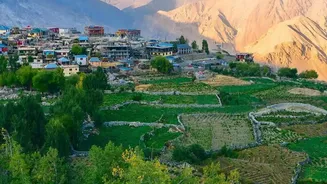
The natural hazards are increasingly compounded by human activity. A push for development has led to a boom in the construction of roads, tunnels, hydropower dams, and new settlements. While aimed at improving connectivity and generating energy, this infrastructure is often built by cutting into already unstable hillsides, destabilising slopes and increasing the risk of landslides. The unregulated growth of towns and tourism infrastructure frequently occurs in ecologically sensitive areas, such as on river floodplains, putting more people and property directly in harm's way. This “development dilemma” means that efforts to modernize the region are inadvertently amplifying its vulnerability, turning natural events into large-scale human tragedies.
The Last-Mile Challenge of Rescue
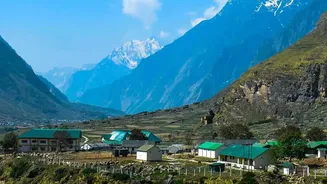
When disaster strikes in the Himalayas, the very terrain that makes it beautiful also makes it a logistical nightmare for response teams. The region is characterized by remote communities, high altitudes, and limited connectivity. A single landslide can sever road access to entire valleys, isolating villages for weeks and preventing emergency services, medical aid, and relief supplies from reaching those in need. The sheer difficulty of working at high altitude, combined with unpredictable weather, severely hampers rescue and evacuation efforts. Even gathering accurate data and monitoring hazards like expanding glacial lakes is incredibly challenging, making it difficult to establish effective early warning systems across such a vast and complex landscape.