






The Sweet Taste of a Deal
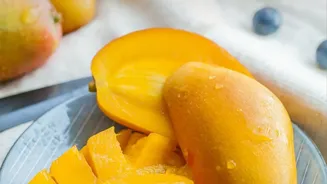
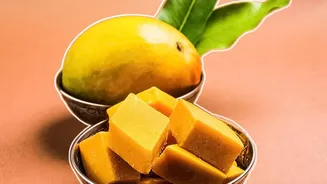
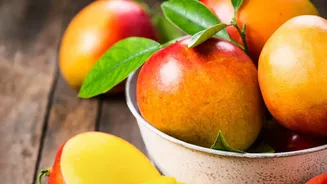
The story of the Indian mango in America is a saga of stops and starts, reflecting the fluctuating temperatures of the U.S.-India relationship. For years, Indian mangoes, particularly the prized Alphonso, were barred from the U.S. due to pest concerns.
The breakthrough came in the mid-2000s, not just through regulatory negotiation, but as part of a much larger strategic calculation. When President George W. Bush visited India in 2006, he famously sampled an Alphonso and declared it a "hell of a fruit." The following year, the ban was lifted. This wasn't a one-way street; the deal was part of a reciprocal arrangement where India agreed to allow the import of Harley-Davidson motorcycles. This tit-for-tat exchange, linking a culturally iconic fruit to an equally iconic American brand, was a classic example of trade diplomacy. It allowed both leaders to claim a victory, sweetening a relationship that was heading towards a landmark civil nuclear deal.
More Than Just a Fruit
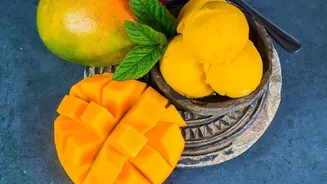
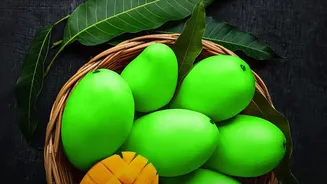
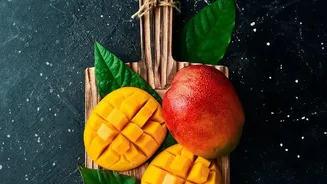
To understand why this seemingly small concession carried such weight, one must understand the mango's place in the Indian psyche. It is not merely a fruit but the undisputed 'King of Fruits,' a symbol of summer, a subject of poetry, and an object of deep cultural pride. With over 1,000 varieties, the mango is woven into the fabric of Indian life, from religious rituals to childhood memories. Its absence from the lucrative American market was seen as more than a regulatory hurdle; it was a perceived slight against a national treasure. Therefore, gaining market access was not just an economic win for farmers, but a symbolic victory that resonated across the country. By accepting the mango, America was acknowledging a piece of Indian culture and heritage. This gesture, though small in the grand scheme of billions of dollars in trade, paid significant dividends in goodwill.
The Power of Gastrodiplomacy
This tactic is part of a broader strategy known as "gastrodiplomacy"—the use of food as a tool of soft power. Countries around the world use their culinary heritage to build relationships, enhance their national brand, and achieve diplomatic goals. Thailand's 'Global Thai' program, which promoted Thai restaurants worldwide, is a textbook case. India, too, has a long history of this, dating back to the Mughal emperors who exchanged prized mango varieties as diplomatic gifts. Jawaharlal Nehru was known to gift mangoes to visiting dignitaries to build rapport. In a world of hard power and military might, gastrodiplomacy offers a softer, more palatable way to connect. A shared meal or a coveted food item can break down barriers and create a sense of shared experience in a way that formal negotiations often cannot. The mango, with its seasonality and universal appeal, is a perfect ambassador.
Small Wins, Big Picture
The mango deal illustrates a crucial principle in international relations: not all progress happens in giant leaps. Often, the foundation for major strategic partnerships is built through a series of smaller, tangible agreements. These "shallow agreements," as some economists call them, reduce the costs and friction of trade on a smaller scale, creating momentum for deeper integration later. While a single deal for fruit or motorcycles won't resolve complex issues like defense cooperation or intellectual property rights, it builds trust and establishes a pattern of successful negotiation. It demonstrates that both sides can find common ground and deliver on their promises. For the U.S. and India, a relationship often bogged down in bureaucratic and trade friction, the mango agreement was a refreshing and easily understood success story that had value far beyond its monetary worth.