




A Nationwide Celebration of History
In a significant move to honour its rich, 173-year-old legacy, the Railway Board has announced the “Station Mahotsav,” a country-wide festival celebrating the founding anniversaries of 103 heritage stations. Spanning from August to November, this initiative
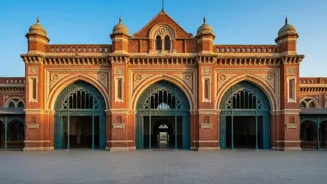
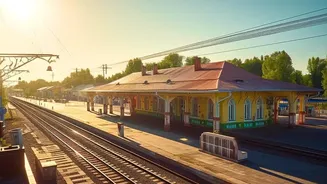
aims to put a spotlight on the unique local history and architectural significance of these British-era structures, which have served as the backbone of the nation for over a century. Of the stations selected, 72 were built in the 19th century and 31 in the early 20th century, each with a unique story to tell. This celebration isn't just about nostalgia; it's a concerted effort to reconnect communities with the monumental heritage that often hides in plain sight.
What to Expect at the Station Mahotsav
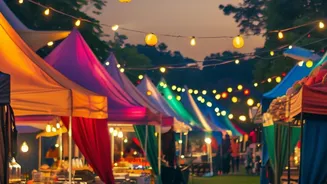
The Railway Board has outlined a standardized program to ensure each 'Mahotsav' is a rich and engaging experience. Travellers and locals can expect a host of activities designed to bring history to life. These include historical photo exhibitions, displays of vintage railway artefacts, and screenings of short films about the station's heritage. In a bid to connect with local culture, the events will also feature regional food festivals and the promotion of local art and handicrafts. To add a modern touch, some stations may even host spectacular laser shows in the evenings, creating a bridge between the past and the present. A special magazine, 'Virasat Smarika,' will also be launched to chronicle the stories of these historic sites.
From Howrah to Lucknow: A Tour of Giants
The list of 103 stations reads like a map of India's industrial and architectural evolution. Among the oldest are Howrah in West Bengal and Kalyan in Maharashtra, both established in 1854. They are joined by other 19th-century icons like Old Delhi Railway Station (1867), and Lucknow Charbagh (1926), known for its magnificent Mughal and Awadhi-inspired design. The list also includes newer, yet historically significant, stations from the 1930s such as Thiruvananthapuram in Kerala and Khambli Ghat in Rajasthan. The Central Railway zone has the highest number of featured stations with 15, followed by Northern and Southern Railways with 14 each. This wide geographical spread ensures that the celebration is a truly national event, reflecting the diverse heritage of the entire railway network.
More Than Just Buildings
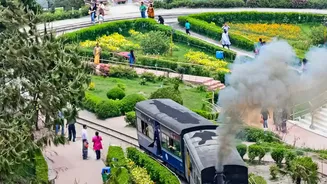
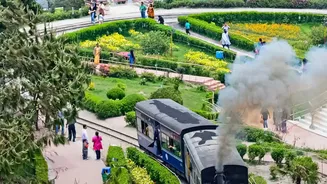
These stations are not merely architectural relics; they are living heritage. Many, like the Chhatrapati Shivaji Maharaj Terminus in Mumbai, are already recognized as UNESCO World Heritage Sites for their outstanding Victorian Gothic architecture. Others are part of the famous 'Mountain Railways of India,' another UNESCO-listed treasure known for incredible engineering through rugged terrain. This initiative aims to foster a deeper appreciation for these sites, transforming them from transient spaces into cultural destinations. By involving local artisans and communities, the railways hope to make these stations vibrant centers of regional identity and pride, reinforcing their role as a lifeline of the nation that connects not just places, but also people and their histories.