







The Case for Yoga: An Inner Journey
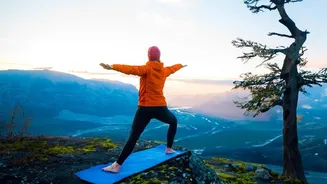
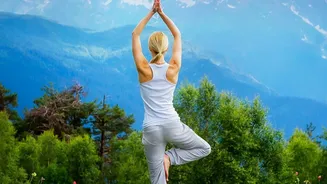
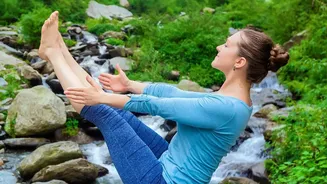
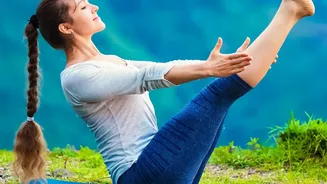
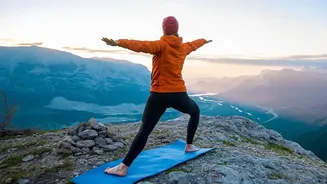
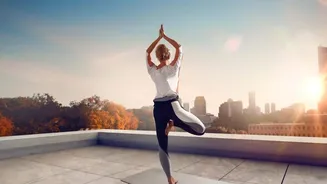
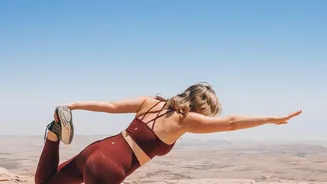
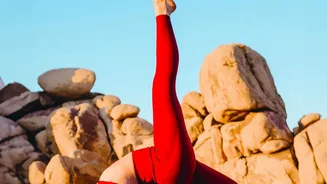
Yoga, an ancient practice with deep roots in India, has found a new and enthusiastic audience in Gen Z. For a generation grappling with constant connectivity and mental overload, yoga offers a sanctuary. Its power lies in the integration of physical postures
(asanas), controlled breathing (pranayama), and mindfulness. This combination is scientifically shown to help regulate the nervous system, lower levels of the stress hormone cortisol, and shift the body from a 'fight-or-flight' state to one of calm. The practice directly addresses the mental chaos that comes from juggling deadlines, social pressures, and a constant stream of notifications. By focusing on the breath and the sensations within your own body, yoga provides a much-needed digital detox, grounding you in the present moment and improving focus. It’s an internal workout, designed to quiet the noise in your head and create space for emotional release.
The Call of the Trail: Trekking's Escape
While yoga encourages you to go inward, trekking calls you outward. For many, the most effective way to de-stress is to physically escape their environment. Trekking delivers this in spades, replacing office cubicles and city streets with mountain vistas and forest trails. The benefits are twofold. Physically, it’s a fantastic cardiovascular workout that releases endorphins—the body's natural mood enhancers. Mentally, immersing yourself in nature, an approach sometimes called ecotherapy, is proven to reduce stress, calm anxiety, and quiet the kind of repetitive negative thoughts known as rumination. The physical challenge of a trek fosters resilience and a sense of accomplishment that can boost self-confidence, while the novelty of exploring new landscapes provides a powerful mental reset. It's less about quiet introspection and more about engaging your senses with the world around you.
Head-to-Head: A Breakdown for the Busy Professional
So, how do you choose? Let’s break it down by the realities of a young professional’s life. Accessibility and Cost: Yoga is highly accessible. You can practice at home with a YouTube video for free or join a local studio. India offers a wide range of options, from affordable community classes to high-end retreats. Trekking, on the other hand, requires more planning and investment—travel to a suitable location, proper gear, and often, the cost of guides or tour groups. Social vs. Solitary: Both activities can be done alone or in a group, but their nature differs. Yoga is often an individual practice even within a group class, focused on your own mat and inner experience. Trekking is frequently a shared journey, fostering camaraderie and social bonds that can be a powerful antidote to loneliness. Research shows that group exercise can increase accountability and provide crucial moral support. The Stress It Solves: If your stress manifests as mental clutter, anxiety, and an inability to focus, yoga's mindful, grounding techniques may be more effective. If your stress stems from feeling stuck, burnt out, or disconnected from the physical world, the sense of escape and physical exertion of trekking might be the better cure.
Making Your Choice: The Right Fit for Your Needs
Ultimately, the better workout is the one that you’ll consistently do. Your personality and specific stressors should guide your decision. Choose yoga if: You are seeking mental clarity and a way to manage anxiety in your day-to-day life. You need a flexible and accessible routine that can be done anywhere, anytime. You want to build a deeper connection with your body and learn to quiet your mind through breath and gentle movement. Yoga is perfect for those who need to de-stress by turning inward. Choose trekking if: You feel the need to physically escape your routine and environment. You are energized by physical challenges, fresh air, and achieving tangible goals. You enjoy the social aspect of group activities and find that being in nature is your fastest route to a mental reset. Trekking is ideal for those who need to de-stress by looking outward.