


From Aesthetic to Edible
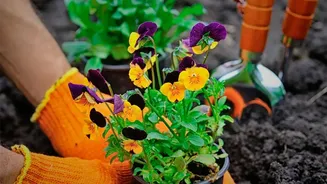
Something is changing in the urban and suburban landscapes of India. The traditional home garden, long a space for showcasing vibrant bougainvillea, fragrant jasmine, and proud marigolds, is making room for a different kind of plant: the kind you can
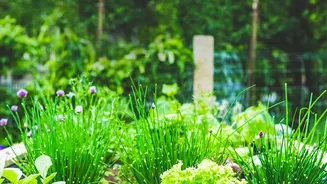
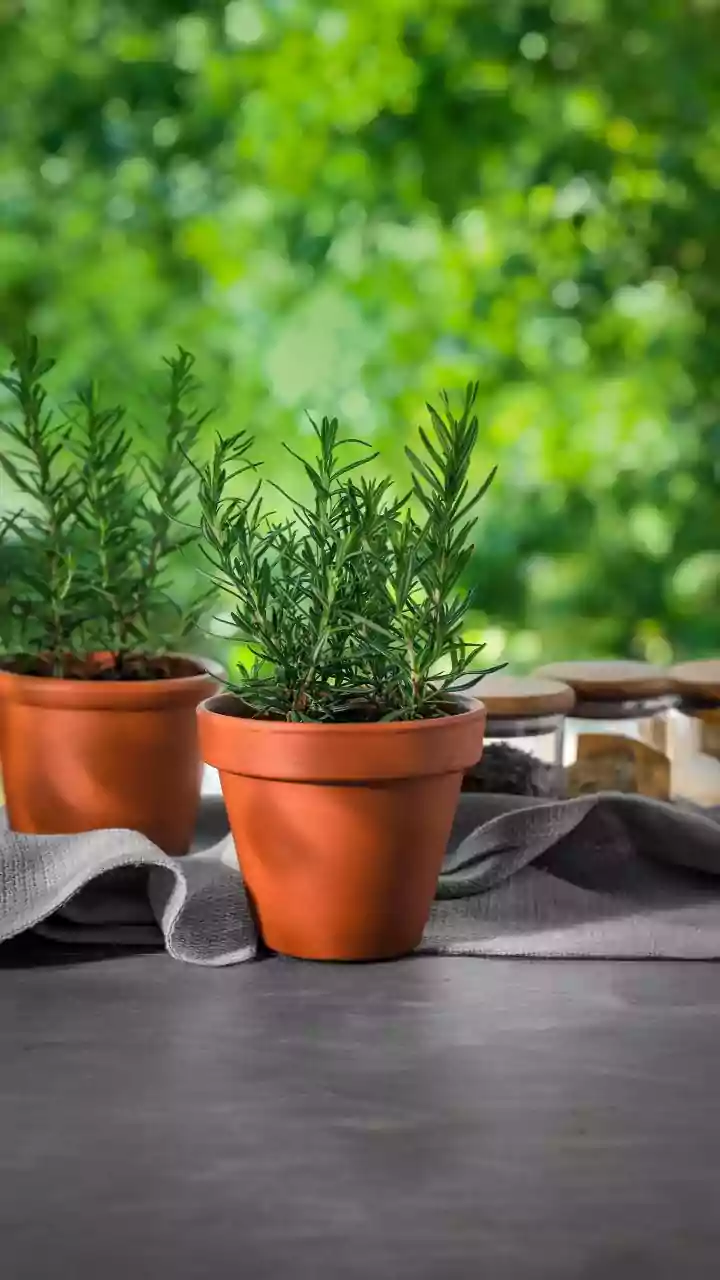
eat. This isn't to say decorative plants are disappearing, but rather that they are increasingly sharing space with pots of tomatoes, clusters of chillies, and fragrant herbs like mint and coriander. This shift from purely ornamental to partially edible gardens reflects a deeper change in lifestyle, driven by a growing awareness of health, economy, and a desire to reconnect with the food we consume. What started as a hobby for some, particularly during the pandemic lockdowns, has blossomed into a significant cultural trend.
The Quest for Purity and Freshness
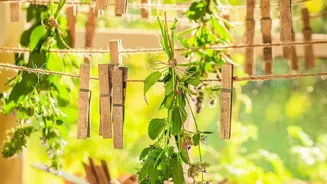
A primary driver behind this green movement is the growing concern over food quality. More families are questioning the origins of their produce and the chemicals used in commercial farming. The idea of having complete control over what goes on your plate is incredibly empowering. Growing your own vegetables, even on a small scale, eliminates worries about harmful pesticides and ensures that the food is truly organic. This direct access to fresh ingredients also means better nutrition and flavour. The taste of a tomato picked right off the vine is far superior to one that has travelled hundreds of kilometres to reach a grocery store, losing freshness and nutritional value along the way. Popular choices for these home gardens include herbs used daily in Indian kitchens like coriander, mint, and curry leaves, as well as vegetables like tomatoes, chillies, and spinach.
An Answer to Volatile Food Prices
Beyond the health benefits, there is a strong economic incentive. With the prices of common vegetables often subject to sharp fluctuations, a small home garden can provide a surprising amount of relief to a household budget. Having a steady supply of essentials like chillies, lemons, and herbs means fewer trips to the market and less money spent on basics. While a balcony garden won't replace the grocery store entirely, it provides a buffer against rising costs and food insecurity. For some, especially in rural and semi-urban areas, kitchen gardens can even generate a small supplementary income from selling surplus produce.
Gardening for a Healthier Mind
The benefits of this trend aren't just physical or financial; they are also deeply psychological. In our increasingly dense and concrete urban environments, gardening offers a vital connection to nature. The simple act of tending to plants, watering them, and watching them grow has been shown to be a powerful stress reliever. It provides a sense of peace and accomplishment. Furthermore, gardening can become a bonding activity for the whole family, teaching children about patience, responsibility, and where their food comes from. It's a hands-on life skill that fosters a deeper appreciation for the environment.
The Ecosystem Supporting the Shift
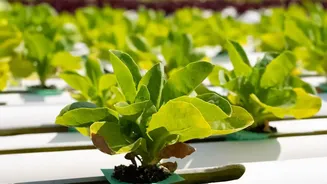
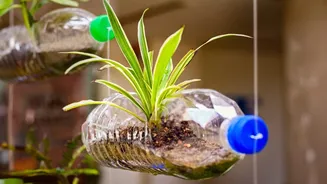
This gardening revolution is being supported by a growing ecosystem of startups and online resources. Companies now offer everything from high-quality, open-pollinated seeds and organic potting mixes to ready-made kits for hydroponics and vertical farming. These innovations make it easier than ever for beginners in small apartments to start growing. Social media and online workshops provide a wealth of information and a sense of community, allowing new gardeners to share tips and successes. Government bodies are also beginning to recognise the importance of urban agriculture, with some smart-city plans even earmarking public spaces for edible landscaping to improve food security.