



The Tale of Two Cinnamons
When you buy cinnamon, you are likely getting one of two very different spices. The first is Ceylon cinnamon, which is known botanically as Cinnamomum verum — translating literally to "true cinnamon". Hailing primarily from Sri Lanka, it is prized for
its delicate, sweet, and complex flavour. The second, and far more common variety found in most supermarkets, is Cassia cinnamon. Cassia is not one single type but a group that includes Chinese, Indonesian, and Saigon cinnamon. While related, it has a stronger, spicier, and less nuanced flavour profile compared to its more refined cousin. Because regulations often allow both types to be simply labelled as "cinnamon," most consumers don't realise there's a difference.
Why the Botanical Name Matters
Checking for Cinnamomum verum is the most reliable way to ensure you're getting authentic Ceylon cinnamon. This isn't just a matter of culinary preference; it has health implications, too. The key difference lies in a natural chemical compound called coumarin. Cassia cinnamon contains significantly high levels of coumarin, whereas Ceylon cinnamon contains only trace amounts. The European Food Safety Authority has established a tolerable daily intake for coumarin because, in high and regular doses, it has been linked to potential liver damage in sensitive individuals. For someone who sprinkles a bit of dalchini on their food occasionally, this isn't a major concern. However, for those who consume cinnamon daily for its health benefits, such as blood sugar regulation, choosing the low-coumarin option becomes crucial.
A Visual Guide to Telling Them Apart
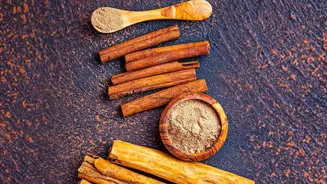
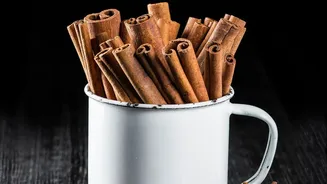
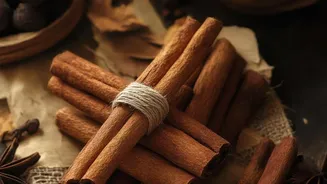
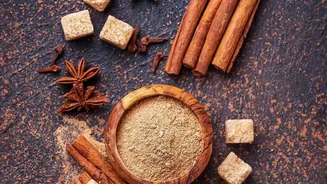
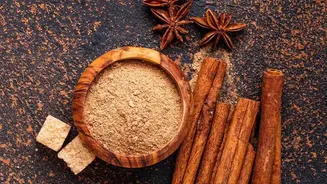
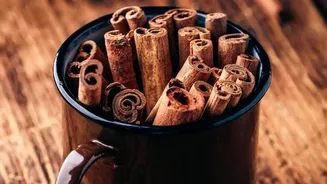
Even without a label, you can often identify the two types, especially in their whole stick or quill form. Ceylon cinnamon sticks are light tan, soft, and brittle. They are formed from many thin, paper-like layers of bark rolled together into a shape that resembles a cigar. You can easily crumble a Ceylon quill with your fingers. Cassia cinnamon sticks, on the other hand, are dark reddish-brown, hard, and woody. They consist of a single, thick layer of bark that curls inward from both sides, creating a hollow tube. It is much tougher and more difficult to break. In powdered form, Ceylon is typically a lighter tan colour, while Cassia is a deeper reddish-brown, though this can be harder to judge.
Flavour, Aroma, and Making the Right Choice
The differences extend to taste and smell. Ceylon cinnamon has a mild, sweet, and floral aroma with citrusy notes. Its subtlety makes it ideal for delicate desserts, beverages, and dishes where you want to enhance, not overpower, other flavours. Cassia has the bold, pungent, and spicy aroma that most people strongly associate with the word "cinnamon." This intensity works well in robust baked goods and strongly spiced meat dishes. When shopping, look for labels that explicitly state "Ceylon Cinnamon" or "Cinnamomum verum." If the origin is listed as Sri Lanka, that's another strong indicator of true cinnamon. If the label is vague and the price is low, you are most likely holding Cassia.