







Beyond the Traditional Harvest
The typical mango season in India is a frantic, joyous period that largely wraps up by June. For Karnataka, one of the country's leading mango producers, this has historically meant a concentrated window to get its prized fruit to domestic and international
markets. The main harvest, featuring celebrated varieties like Alphonso and Banganapalli, peaks in May and early June. Once this period ends, the opportunity to command premium prices on the global market diminishes as other countries and regions fill the supply gap. This limited timeline presents a significant challenge for farmers and exporters aiming for year-round profitability and market presence. The pressure to harvest, sell, and ship within a few short months often leads to market gluts, price fluctuations, and a race against time before the fruit perishes.
The Late-Season Stars: Neelam and Totapuri
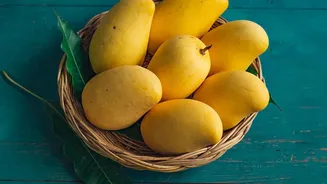
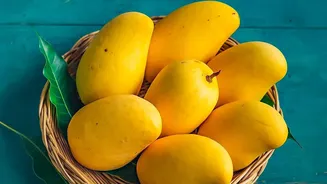
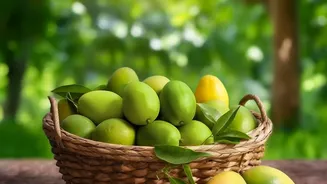
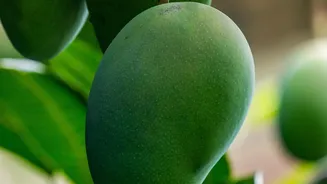
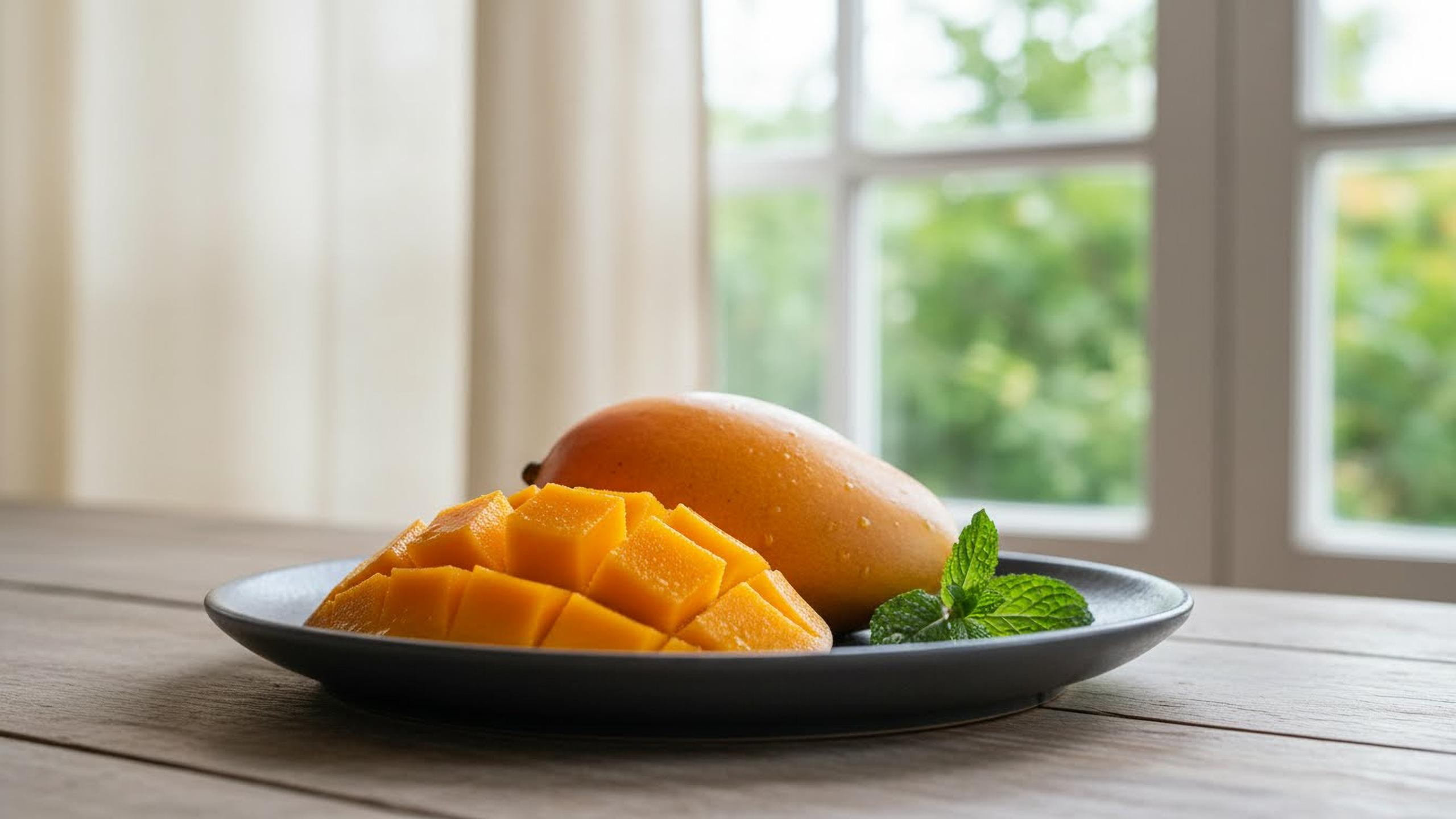
Enter the strategic heroes of this story: the late-season mangoes. Varieties like Neelam and Totapuri are now playing a crucial role in rewriting Karnataka's export story. These mangoes are typically harvested from late June through the end of July, a period when the main mango rush is over. Neelam is praised for its sweet, juicy pulp and rich aroma, making it ideal for desserts and beverages. Totapuri, easily recognizable by its unique shape, offers a sweet-tangy flavour perfect for both fresh consumption and industrial processing into pulp and concentrates. By focusing on these varieties, farmers in key growing regions like Kolar can tap into a market with less competition, effectively creating a second wave of opportunity long after the primary season has concluded.
A Strategic Global Advantage
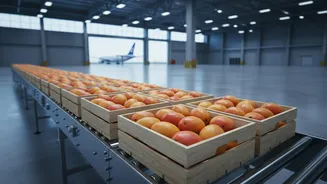
Extending the sales window is more than just selling mangoes for a few extra weeks; it's a calculated economic strategy. By supplying fresh mangoes to global markets in July and even August, Karnataka can capture the attention of buyers at a time when Indian mangoes are traditionally scarce. This was recently highlighted by a landmark first-ever air shipment of Neelam and Totapuri mangoes from Karnataka to the Maldives in late July 2026. Facilitated by the Agricultural and Processed Food Products Export Development Authority (APEDA), this initiative demonstrates a clear intent to promote these late-season varieties internationally. The ability to fill a late-summer void in the global supply chain not only strengthens India's overall mango export basket but also allows exporters to negotiate better prices, free from the intense competition of the peak season.
Empowering Farmers from the Ground Up
This strategic shift brings tangible benefits to the people at the heart of the industry: the farmers. By creating structured pathways to international markets, farmer-producer organizations (FPOs) are helping growers bypass intermediaries and command higher prices. For the recent Maldives shipment, farmers associated with the Prakruthimaya Farmers Producer Company in Kolar reportedly earned over 50% higher returns compared to conventional domestic channels. This model, which connects farmers directly with exporters—in this case, a new woman-led enterprise—fosters sustainable income growth and empowers local communities. While the opportunity is significant, farmers still face challenges, including unpredictable weather, pest management, and the need for knowledge on meeting stringent international quality standards. However, organized efforts by bodies like APEDA and the Karnataka State Mango Development and Marketing Corporation are providing crucial support and training.
Cultivating Future Growth
The successful promotion of late-season mangoes is a blueprint for the future of Karnataka's horticultural sector. It showcases a move towards a more strategic, market-aware approach to agriculture. The focus is shifting from merely producing a crop to understanding global demand and timing harvests to maximize value. This requires continued investment in post-harvest infrastructure, such as cold storage and packhouses, as well as ongoing research into new varieties and sustainable farming practices. The government and associated bodies are encouraging farmers to see their produce as part of a larger value chain, where Grade A fruit is for export, Grade B for the domestic market, and Grade C for value-added products like pulp. This diversified strategy not only mitigates risk but also ensures that the entire harvest is utilized effectively.