








The Invisible Threat: More Than Just a Cough
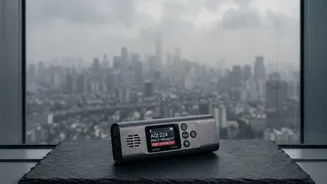
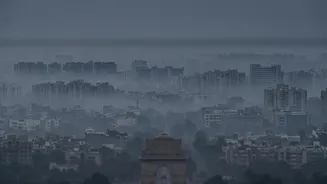
Every year as October rolls in, Delhi's Air Quality Index (AQI) begins its climb into the 'poor' and 'very poor' categories. While residents are accustomed to minor irritations like itchy eyes and a persistent cough, medical experts stress that the most
significant danger comes from what you cannot see. The primary culprits are fine particulate matter known as PM2.5 — particles so small they are about 30 times thinner than a human hair. Unlike larger dust particles that get trapped in the nose and throat, PM2.5 can bypass the body’s natural defences, penetrating deep into the lungs and even entering the bloodstream. This invasion is what doctors warn is a continuous assault on the body, leading to health consequences far more serious than seasonal discomfort.
A Systematic Attack on Your Lungs
The most immediate and well-known impact of air pollution is on the respiratory system. For those with existing conditions like asthma or chronic obstructive pulmonary disease (COPD), high pollution days can trigger severe attacks and worsening symptoms. However, even healthy individuals are at risk. Doctors report that prolonged exposure to Delhi's air is linked to a rise in chronic bronchitis, reduced lung capacity, and an increased risk of developing lung cancer, even in non-smokers. The constant inflammation caused by pollutants weakens lung tissue over time, making it harder to breathe and reducing overall stamina. This damage isn't just temporary; it can be a permanent decline in lung function.
The Hidden Damage to Your Heart
Perhaps one of the most overlooked dangers of air pollution is its effect on the cardiovascular system. When PM2.5 particles enter the bloodstream, they cause inflammation and oxidative stress that affects blood vessels. Doctors warn this can increase the risk of heart attacks, strokes, and high blood pressure, even in younger adults. The heart and blood vessels may be under extra strain even when a person feels perfectly fine and shows no outward respiratory symptoms. For individuals with pre-existing conditions like diabetes or high cholesterol, this added strain is particularly dangerous, and symptoms like chest pressure or sudden breathlessness require immediate medical attention.
A Crisis for Children and the Elderly
Vulnerable populations bear the brunt of Delhi's toxic air. Children are at exceptionally high risk because their lungs, brains, and immune systems are still developing. They breathe more rapidly than adults, absorbing more pollutants relative to their body weight. Studies have linked air pollution exposure in children to stunted lung growth, an increased risk of asthma, and even impaired cognitive development and lower IQ. The elderly, meanwhile, are more susceptible due to weaker immune systems and a higher likelihood of having pre-existing heart or lung conditions that are easily exacerbated by poor air quality.
What Doctors Advise You To Do
While systemic change is necessary to solve the crisis, doctors provide clear, actionable advice for personal protection. First, monitor the AQI daily using an official source like the CPCB's SAMEER app. On days with 'poor' to 'severe' air quality, avoid or limit outdoor activities, especially strenuous exercise like running. If you must go out, wear a well-fitted N95 or N99 mask, as cloth or surgical masks do not filter out PM2.5 particles effectively. At home, create a 'clean air sanctuary'. Keep windows and doors closed during high-pollution hours and consider investing in a HEPA filter air purifier, particularly for the bedroom where you spend many hours. Finally, pay attention to your body and don't dismiss persistent symptoms.