



The Science of Spoilage
Moisture is the main culprit behind rapidly deteriorating produce. When fruits and vegetables are wet, and the air around them is also heavy with moisture, it creates the perfect breeding ground for bacteria and fungi. These microorganisms thrive in damp
conditions, breaking down the cell walls of your produce and leading to the telltale signs of spoilage: mushy spots, mould, and unpleasant odours. High humidity also accelerates enzymatic reactions within the produce itself, causing fruits to over-ripen and vegetables to lose their crispness and nutritional value far more quickly. Effectively, that lingering dampness on your bhindi or the condensation inside a plastic bag is an open invitation for decay.
The Golden Rule: Wash Smart, Dry Thoroughly
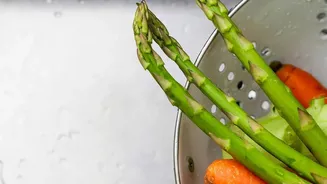
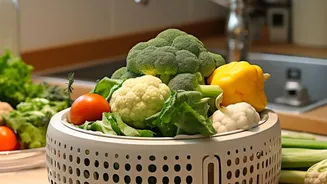
While it’s tempting to wash all your produce as soon as you get home, this is often counterproductive. Storing produce when it's wet is one of the fastest ways to encourage rot. The best practice is to wash fruits and vegetables just before you intend to use them. If your workflow requires pre-washing, the drying step is non-negotiable. For firm items like tomatoes, peppers, and cucumbers, a simple wipe-down with a clean kitchen towel will suffice. For leafy greens like spinach and coriander, a salad spinner is an invaluable tool for removing excess water. If you don't have one, you can gently pat them dry with paper towels. Placing a dry paper towel in the bottom of an airtight container with greens can also help absorb any residual moisture.
Strategic Separation in Storage
Not all produce plays well together. Many fruits, such as apples, ripe bananas, mangoes, and tomatoes, naturally produce a colorless, odorless gas called ethylene as they ripen. This gas acts as a ripening agent for the fruit that produces it, but it also affects other produce stored nearby. Vegetables like leafy greens, broccoli, carrots, and cucumbers are highly sensitive to ethylene and will begin to yellow, wilt, and spoil much faster when exposed to it. To extend the life of your groceries, make a habit of storing high-ethylene producers separately from ethylene-sensitive items. For example, keep your apples in a designated drawer in the fridge, away from your carrots and lettuce. Bananas are best kept on the counter by themselves.
Fridge vs. Countertop in High Humidity
In a humid climate, the refrigerator is your best friend for most produce. While some items like potatoes, onions, and garlic should be kept in a cool, dark, and dry place, the ambient humidity in many Indian kitchens can cause them to sprout or rot prematurely. For most other vegetables and ripe fruits, the cool, less humid environment of the fridge is ideal. Use your crisper drawers wisely; many have adjustable humidity vents. A general rule is to use a high-humidity setting (closed vent) for leafy greens and other produce that wilts, and a low-humidity setting (open vent) for fruits that release ethylene. This helps trap moisture for things that need it while letting gases escape from things that don't.
Let Your Produce Breathe
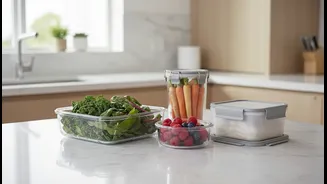
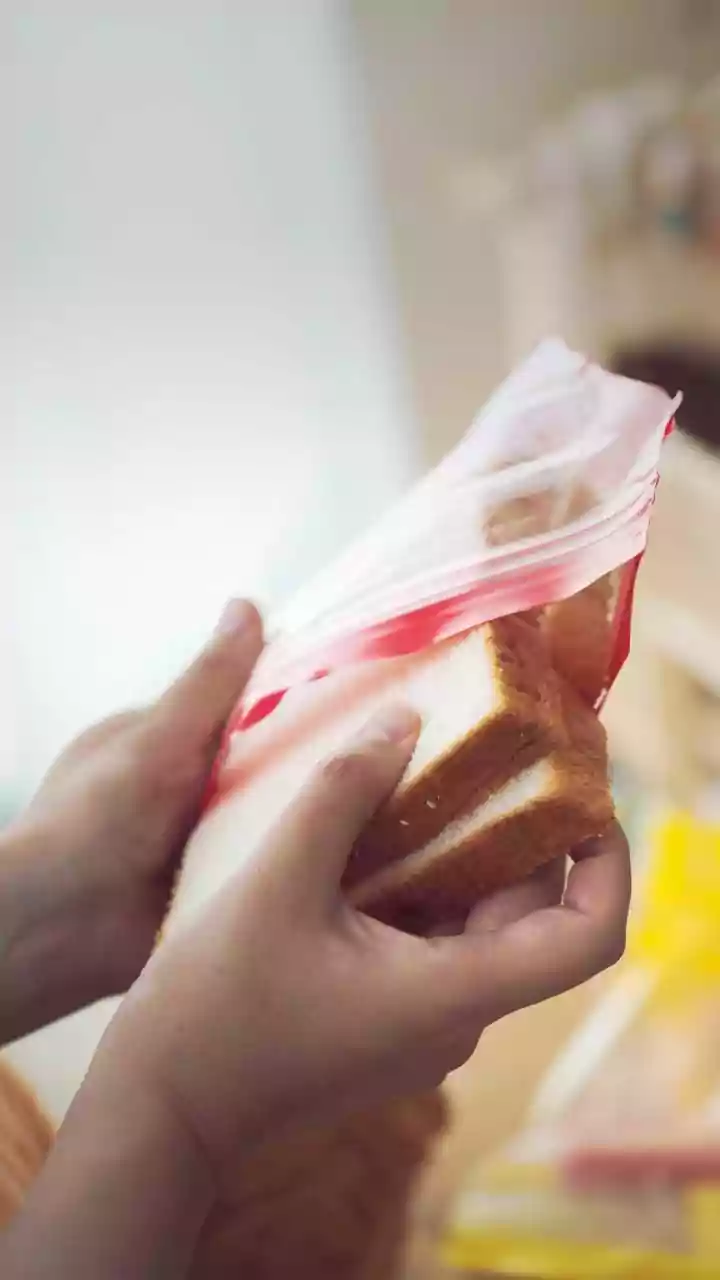
Air circulation is critical for preventing moisture buildup. Storing produce in sealed plastic bags from the grocery store is often a mistake, as it traps moisture and ethylene gas, creating a mini-greenhouse for spoilage. Instead, opt for storage solutions that allow for airflow. Mesh bags are excellent for items like onions and potatoes. For produce in the fridge, perforated plastic bags or containers with vents work well. If you only have sealed containers, you can leave the lid slightly ajar to allow for some air exchange. The goal is to strike a balance between preventing dehydration and avoiding a swampy, stagnant environment that accelerates decay.
Tackle Your Kitchen's Climate
Beyond produce-specific storage, managing the overall humidity in your kitchen can make a significant difference. Simple habits can help reduce moisture in the air. Always use an exhaust fan or open a window when cooking, especially when boiling water or making curries. Covering pots and pans with lids traps steam, preventing it from being released into the room. Be mindful of fixing any leaky taps promptly. For a low-tech solution, you can place an open box or bowl of baking soda on a shelf; it naturally absorbs moisture from the air and can be replaced when it hardens.