





The Bhutan Connection
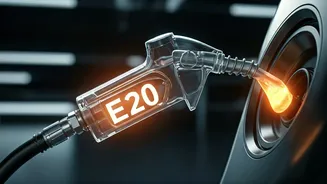
Recent media reports suggested that Bhutan, which imports all its fuel from India, had expressed reservations about using E20 petrol. The primary reasons cited were its mountainous terrain, where vehicles need optimal power, and concerns that its existing
fuel storage infrastructure is not equipped for ethanol-blended fuel. While India's Ministry of Petroleum and Natural Gas clarified that no formal offer to export E20 to Bhutan had been made, the underlying issues raised by Bhutanese officials point to a much larger technical challenge that affects India itself. The incident serves as a crucial case study on the downstream effects of a major energy policy shift.
The Science of Storage: E20's Water Problem
The core of the storage problem lies in a simple scientific property: ethanol is hygroscopic. This means it has a strong affinity for water and readily absorbs moisture from the atmosphere. Unlike pure petrol, where water contamination is easier to manage because water and oil don't mix, ethanol allows water to dissolve into the fuel blend. If the amount of absorbed water reaches a critical point, a process called 'phase separation' occurs. The ethanol-water mixture separates from the petrol and, being heavier, settles at the bottom of the storage tank. This not only creates a corrosive, water-rich layer that can damage tanks but also leaves the remaining petrol with a lower-than-intended ethanol content, affecting its quality and performance.
Old Tanks, New Problems
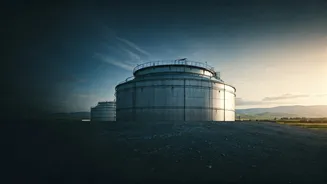
Bhutan's concerns about its ageing, underground storage tanks highlight a widespread issue. Many older fuel tanks and infrastructure components, in both Bhutan and parts of India, were designed for conventional, non-blended petrol. Ethanol is a more aggressive solvent than petrol and can degrade certain types of rubber, plastics, and seals used in older fuel systems, leading to leaks and failures. Furthermore, underground tanks are more susceptible to water seepage from the surrounding ground, a risk that is amplified in regions with high rainfall or groundwater levels, like mountainous areas. This makes maintaining the integrity of E20 fuel much more difficult without significant infrastructure upgrades.
A Mirror to India's Own Challenge
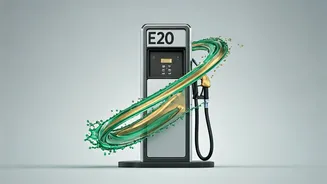
The issues flagged by Bhutan are a microcosm of the challenges India faces in its nationwide E20 transition. While new vehicles manufactured since 2023 are generally E20 compliant, a vast number of older cars, two-wheelers, and, critically, fuel distribution infrastructure, are not. The rapid rollout has meant that the country is grappling with upgrading a massive network of pipelines, storage depots, and retail station tanks to handle the new fuel safely. Experts note that ensuring the entire supply chain is free from potential water contamination and is built with ethanol-compatible materials is a significant logistical and financial undertaking. The government and oil marketing companies are actively working on creating new ethanol storage depots, sometimes through public-private partnerships, to build the necessary buffer and ensure fuel quality year-round.