



The Heart of the Matter: Choosing Tomatoes
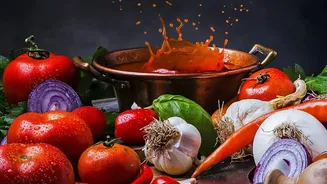
The foundation of any great tomato sauce is, unsurprisingly, the tomatoes themselves. Many chefs agree that the variety you choose makes all the difference. While fresh, ripe, in-season tomatoes are wonderful, a high-quality canned tomato offers remarkable
consistency and depth, saving both time and labour. The gold standard for sauce is the San Marzano tomato, a type of plum tomato prized for its dense flesh, low water content, and naturally balanced sweet and acidic flavour. Roma and Amish Paste tomatoes are also excellent choices. When buying canned, chefs recommend looking for whole peeled tomatoes, as they are often less processed than crushed or diced varieties. Crushing them by hand gives you better control over the final texture of your sauce.
Building the Flavour Foundation
A perfect tomato sauce is about balance, using a few simple, high-quality ingredients to create a complex flavour. The essentials include good quality extra-virgin olive oil, onions, and garlic. Taking the time to slowly cook down your onions until they are soft and translucent, but not necessarily browned, pulls out their natural sweetness. This adds a layer of flavour and reduces the need to add sugar later on. The garlic should be added after the onions have softened and cooked for just a minute or so until fragrant to avoid burning, which creates bitterness. For herbs, fresh basil is a classic, often stirred in at the very end of cooking to preserve its bright, aromatic quality.
The Chef's Method: A Step-by-Step Guide
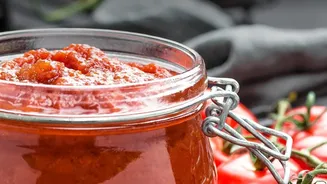
First, heat a generous amount of olive oil in a heavy-bottomed pot over medium heat; a thick pot prevents scorching. Add chopped onion and a pinch of salt, cooking slowly until soft. Add minced garlic and cook for another minute. Next, add your whole peeled tomatoes, crushing them with your hands or the back of a wooden spoon. Bring the sauce to a simmer, then reduce the heat to low. Allow it to cook uncovered, stirring occasionally, for at least 45 minutes to an hour. This slow simmering process is crucial—it allows excess water to evaporate, concentrating the tomato flavour and deepening its colour. The sauce should become thick enough that it loses any raw tomato taste but remains fresh and vibrant.
Achieving a Silky, Restaurant-Worthy Texture
Texture is a personal preference, but many restaurant sauces are prized for their smooth, velvety consistency. For a rustic, slightly chunky sauce, a potato masher can be used directly in the pot. For a smoother finish, an immersion blender is a quick and easy tool. However, for the ultimate silky texture, many chefs use a food mill. Passing the cooked sauce through a food mill not only purées it but also removes the seeds and any tough bits of skin, resulting in an exceptionally smooth consistency. Another professional trick for a richer, more emulsified sauce is to stir in a tablespoon of unsalted butter or a splash of good olive oil right at the end, off the heat. This adds a luxurious mouthfeel.
The Final Touch: Balancing the Flavour
The final step is perhaps the most important: tasting and adjusting the seasoning. A great sauce has a perfect balance of acidity and sweetness. Tomatoes are naturally acidic, and a common chef's trick is to add a small pinch of sugar. The goal isn't to make the sauce sweet, but to tame the acidity so the tomato's natural flavour can shine. If the sauce tastes a little flat, a splash of red wine vinegar or lemon juice can brighten it up. Season generously with salt and freshly ground black pepper, tasting as you go until the flavour is just right. Remember to taste the sauce before you toss it with pasta; if it seems just salty enough on its own, it likely needs a little more to properly season the final dish.