






The Full-Body Benefits of Dance
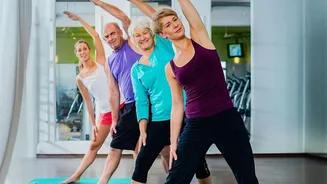
At its core, dance aerobics is a fantastic form of cardiovascular exercise. Regular sessions get your heart rate up, which helps strengthen the heart muscle, improve circulation, and can lower the risk of coronary heart disease. But the advantages don't
stop there. This dynamic activity engages multiple muscle groups, helping to improve muscle tone, strength, and endurance. Beyond the physical, dancing has profound effects on mental well-being. The combination of physical movement, music, and concentration required to follow choreography can boost your mood, reduce stress, and improve cognitive function. It’s a holistic workout that nurtures both body and mind, making it an enjoyable way to stay active for people of all ages and fitness levels.
Consistency: The Foundation of Fitness
The single most important factor in achieving long-term fitness goals is consistency. Sporadic, intense workouts are less effective than showing up regularly, even for shorter sessions. When you engage in physical activity consistently, you send a continuous signal to your body to adapt. This leads to gradual but significant improvements in your aerobic system, such as strengthening your heart and increasing the efficiency of oxygen delivery to your muscles. Inconsistency interrupts this vital adaptation process, causing you to lose your gains and making it harder to get back on track. To build consistency, schedule your workouts like any other important appointment and set realistic goals that align with your lifestyle. Remember, a few manageable sessions each week will yield better results than one exhausting workout followed by a long break.
Finding the Right Intensity
While consistency is king, intensity determines the quality of your workout. Exercising at a higher intensity can lead to greater increases in aerobic capacity and offer more significant cardioprotective benefits than moderate-intensity workouts alone. However, the goal is not to push yourself to the limit every time, which can increase injury risk. The key is finding a balance. High-Intensity Interval Training (HIIT), which involves short bursts of all-out effort followed by recovery periods, has been shown to improve fitness faster than steady-state cardio. For dance aerobics, this could mean pushing harder during the chorus of a song and easing off during the verse. A good measure of intensity is the 'talk test'. During moderate-intensity exercise, you should be able to talk but not sing. During high-intensity bursts, you'll likely only be able to speak a few words at a time. Listening to your body is crucial for finding the sweet spot that challenges you without causing burnout.
Safe Form Prevents Injury
Enthusiasm is great, but safe form is what ensures your dance aerobics journey is a long and healthy one. Overuse injuries, particularly in the shins, feet, and knees, are common in aerobic activities. Many of these can be prevented by focusing on proper technique. Always start each session with a 5-10 minute warm-up to prepare your muscles and end with a cool-down and stretching to improve flexibility. Pay attention to your alignment, especially ensuring your knees track over your toes and don't buckle inward. A strong core is essential for stability, helping to protect your back and maintain balance during dynamic movements. If you’re new to dance aerobics or have a pre-existing condition, consider starting with a beginner class to learn the foundational movements correctly. The right technique not only prevents injury but also ensures you're working the intended muscles effectively.
The Power of a Great Playlist
Music is the driving force behind dance aerobics, and its impact is both psychological and physiological. Listening to music you enjoy can make a workout feel less strenuous, improve your mood, and increase your motivation to stick with it. Studies have shown that music can enhance performance, allowing you to work out longer or harder without feeling more tired. The tempo, measured in beats per minute (BPM), plays a significant role. Faster-paced music, often in the 125-140 BPM range, is particularly effective for rhythmic exercises like cycling or running and can inspire you to match your movements to the beat. This synchronization can make the entire experience more enjoyable and effective. Ultimately, the best music is music that you personally find motivating, as personal preference has a huge impact on its benefits.