


Plan Your Meals, Master Your Ingredients
The secret to successful solo cooking starts before you even turn on the stove. Planning your meals for the week is crucial for reducing food waste and decision fatigue. Think in terms of overlapping ingredients. If you buy a whole head of cabbage, plan
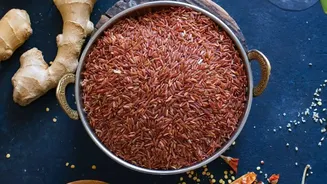
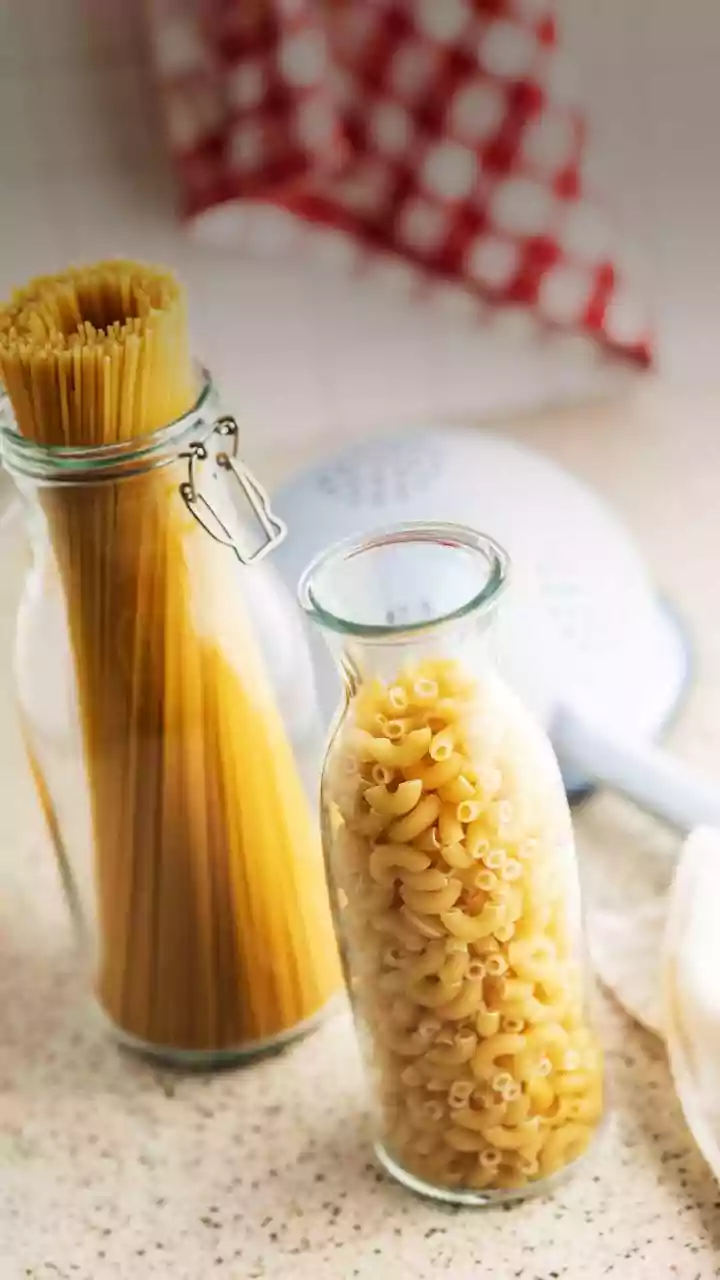
to use it in a stir-fry on Monday, as a slaw for tacos on Wednesday, and in a soup on Friday. This strategy ensures that the ingredients you buy get used up completely. Create a flexible weekly menu with a few core proteins and vegetables that can be mixed and matched. For example, roasted chicken on Sunday can become chicken salad for lunch and filling for a wrap later in the week. Stock your pantry with long-lasting staples like rice, pasta, canned beans, and lentils. These allow you to build meals with just a few fresh additions.
Shop Smart and Small
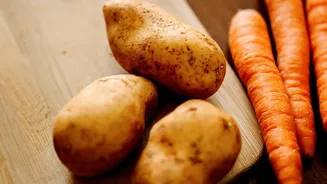
Grocery stores often seem designed for families, with large pre-packaged quantities that are impractical for a single person. To overcome this, adjust your shopping strategy. Whenever possible, buy loose produce so you can pick up just one onion or two carrots instead of a whole bag. The bulk bins are your friend for grains, nuts, and spices, allowing you to purchase only what you need for a specific recipe. Make friends with the people at the meat and deli counters; they can provide you with a single chicken breast or a specific weight of ground beef. For other items, consider frozen fruits and vegetables. They are just as nutritious as fresh, last much longer, and allow you to use only the portion you need, preventing the slow decay of produce in your fridge.
The Art of the Half-Batch
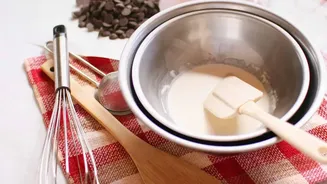
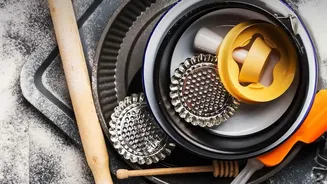
Many recipes are written to serve four or more, but simply dividing all ingredients by four can sometimes lead to strange measurements and poor results, especially in baking. Start by halving recipes, which is more manageable. The first step is to do the math before you start cooking and write down the new measurements. Using a digital kitchen scale can be a game-changer for accuracy, especially when dealing with small quantities in baking. Remember to also scale down your cookware. A half-batch of a casserole will dry out quickly in a large pan. Similarly, a very small amount of batter may not mix properly in a large stand mixer; mixing by hand is often better for small batches. Be prepared to adjust cooking times as well; a smaller volume of food will generally cook faster. A good rule of thumb is to start checking for doneness about 25-30% sooner than the original recipe suggests.
Embrace Your Freezer
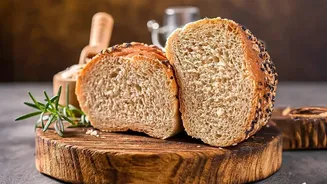
Your freezer is perhaps the most powerful tool in your solo-cooking arsenal. It’s not just for frozen pizzas and ice cream; it’s a working pantry that locks in freshness and prevents waste. Instead of halving a recipe, consider making the full batch of freezer-friendly dishes like chili, soup, lasagna, or curry. Once cooled, portion the leftovers into single-serving containers and freeze them. This gives you a library of homemade ready-meals for busy nights. You can also freeze individual components. If a recipe calls for half a can of tomato paste, freeze the rest in an ice cube tray for later use. Leftover bread, portions of meat, and even grated cheese can all be frozen to extend their life.
Reinvent Your Leftovers Creatively
Fighting leftover fatigue is key to enjoying cooking for one. The trick is to think of leftovers not as a finished meal to be reheated, but as an ingredient for a new one. That leftover roasted chicken can be shredded for tacos, added to a soup, or become the star of a fried rice dish. Extra cooked rice can be turned into rice pudding or crispy fried rice. Have a small amount of various cooked vegetables? Combine them into a frittata or a savory tart. Thinking this way transforms cooking from a repetitive chore into a creative exercise. Keep a few “flavor boosters” on hand like Dijon mustard, miso paste, or fresh lemon to easily liven up and change the profile of your repurposed ingredients.