




Faith, Fasting, and Festive Food
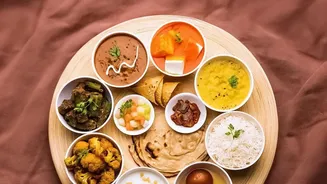
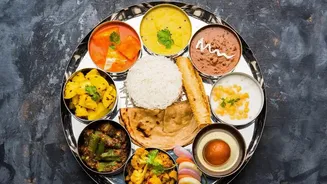
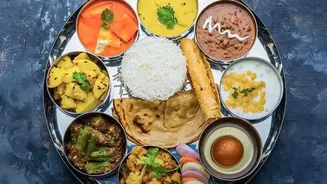
Sawan, also known as Shravan, is a holy month in the Hindu calendar dedicated to Lord Shiva. Many devotees observe fasts, particularly on Mondays (Somwar), as a mark of devotion. These fasts, or 'vrat', come with specific dietary customs. Grains, certain
spices, and non-sattvic foods are typically avoided. Instead, the diet revolves around fruits, milk products, and a select group of vegetables and flours. Food prepared for fasting is not just about rules; it's about consuming pure, light, and energy-giving meals that support the body and mind during a period of spiritual focus.
The Surprising Star: Potato Halwa
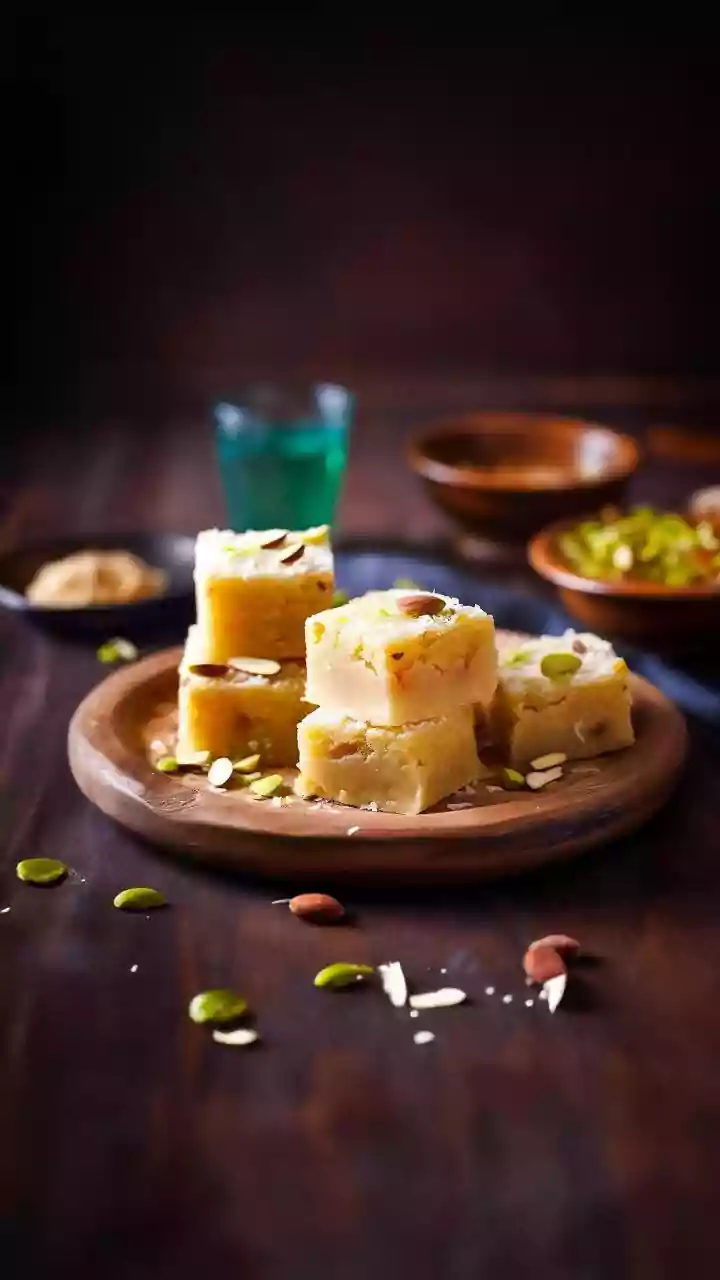
Enter the potato, a key ingredient during many Hindu fasts. While it's a staple in savoury dishes like jeera aloo and farali sabzi, its role in a sweet dish often comes as a pleasant surprise. The sweet in question is Aloo ka Halwa, a rich, melt-in-your-mouth dessert perfect for Sawan. Potatoes are permitted during fasts as they are considered a pure vegetable that provides ample carbohydrates for energy, which is crucial when observing a restricted diet. This makes them an ideal base for a comforting and satisfying halwa that aligns perfectly with vrat traditions.
Gather Your Pantry Staples
The beauty of Aloo ka Halwa lies in its simplicity, relying on ingredients commonly found in an Indian kitchen. You will need about 500 grams of potatoes, which you'll boil, peel, and grate. The other essentials are ghee (clarified butter), sugar, and milk. For flavour and aroma, a pinch of cardamom powder is a must. Many also add a few strands of saffron soaked in warm milk to give the halwa a beautiful golden hue and delicate fragrance. Finally, a handful of chopped nuts like almonds or cashews adds a delightful crunch and richness.
Step-by-Step to Sweet Success
Making this halwa is a straightforward process. First, boil the potatoes until they are completely tender, then peel and grate them for a smooth, lump-free texture. Heat a generous amount of ghee in a heavy-bottomed pan and add the grated potatoes. Roast them over medium heat for several minutes until they turn a light golden brown and become aromatic. This step is crucial for developing a deep flavour. Next, add sugar and continue to stir as it melts. The mixture will loosen before it starts to thicken again. Once the sugar is incorporated, pour in milk (and saffron-infused milk, if using) and add cardamom powder. Keep cooking and stirring until the halwa thickens and begins to pull away from the sides of the pan. To finish, stir in your chopped nuts and an extra spoonful of ghee for a glossy finish.
Tips for the Perfect Halwa
For the best results, always grate the boiled potatoes instead of mashing them to avoid lumps. Don't rush the roasting process; cooking the potatoes in ghee until they are lightly browned is essential for the halwa's characteristic nutty flavour. You can adjust the amount of sugar to your liking. For a different flavour profile, you can also substitute sugar with grated jaggery. Serve the Aloo ka Halwa warm, garnished with a few extra chopped almonds or pistachios. It’s a comforting treat that can be offered as 'bhog' (offering) or enjoyed as a fulfilling dessert after a day of fasting.