






What is a Common Design Approach?
Imagine trying to build a massive fleet of vehicles where every single model requires a unique set of parts, specialized repair tools, and separately trained mechanics. It sounds inefficient, and it is. This is the problem India aims to avoid with its
ambitious bullet train network. The government is planning to adopt a standardized design framework for seven new proposed high-speed rail corridors, which will span approximately 4,000 kilometres. This means that instead of creating brand-new designs for every bridge, tunnel, viaduct, and station for each new route, the National High Speed Rail Corporation Limited (NHSRCL) will use a common design library. This template is being developed based on the valuable experience gained from the ongoing construction of the Mumbai-Ahmedabad corridor. By creating a single, high-quality blueprint, the entire network can be built, operated, and maintained as one cohesive system.
A Direct Boost to Safety
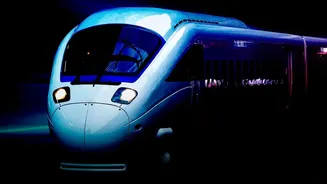
When it comes to high-speed rail, safety is non-negotiable. A standardized design, or interoperability, is a powerful tool for building a safer network from the ground up. With common infrastructure and rolling stock, train operators, maintenance crews, and emergency responders can be trained on a single, consistent system. This drastically reduces the chances of human error that can arise from switching between different types of equipment and procedures. In the event of an emergency, every second counts. A standardized system means rescue and repair operations are not delayed by technical incompatibilities. This philosophy is a core part of Japan's incredibly safe Shinkansen system, which is built on the principle of 'crash avoidance' through a totally integrated system of dedicated tracks and automated controls. For passengers, this uniformity translates into a more reliable and secure journey, every time.
Streamlining Maintenance and Costs
Beyond the immediate safety benefits, a common design offers profound long-term advantages for maintenance and cost-effectiveness. A standardized fleet means a simplified inventory of spare parts. Instead of needing to stock countless unique components for different train models, the railway can maintain a smaller, more manageable supply, leading to significant cost savings. Repairs become faster and more efficient, as maintenance crews are experts on a single system rather than generalists on many. This approach also accelerates construction. By using pre-approved, replicable designs, projects can move from planning to execution more quickly, avoiding the time and expense of redesigning core components for each new corridor. This efficiency is crucial for a large-scale infrastructure project, ensuring that the network can be expanded without ballooning costs or timelines.
The 'Make in India' Opportunity
Adopting a common standard is also a major boost for domestic industry and the 'Make in India' initiative. By defining a clear set of specifications for its national high-speed network, India creates a predictable and stable market for local manufacturers. Indian companies can invest in the tooling and expertise needed to produce everything from civil infrastructure components to advanced signalling systems, confident that their products will be compatible with the entire network. NHSRCL is already working with Indian Institutes of Technology (IITs) to develop these standards and is focused on creating a train control system suited for Indian conditions that can handle speeds up to 350 kmph. This not only reduces dependence on imported technology but also cultivates a domestic ecosystem of high-tech manufacturing, creating jobs and fostering innovation right here at home.
India's High-Speed Future
The Mumbai-Ahmedabad project, which uses Japan's Shinkansen technology, is serving as the blueprint for this national standard. The learnings from this first corridor—from the J-Slab ballastless tracks to the 2x25 kV traction system—are being codified into a master plan for the future. The seven newly proposed corridors include key routes like Delhi-Varanasi, Mumbai-Pune, and Hyderabad-Bengaluru, connecting major economic and population centres. By choosing a path of standardization, India is avoiding the interoperability problems that have historically created obstacles for cross-border rail in places like Europe, where different national systems can complicate international travel. It is a strategic choice to build not just a collection of fast train lines, but a truly integrated national transport network designed for the future.