



The Golden Plains of Wheat
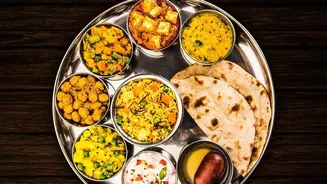
In the fertile plains of North India, wheat reigns supreme. The cooler climate and rich soil make it the perfect environment for this robust grain, which has become the cornerstone of the region's diet. For breakfast, wheat is transformed into an array
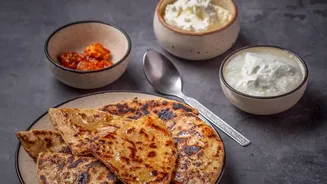
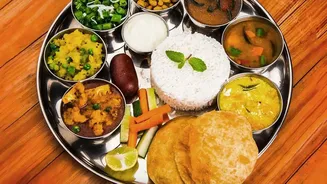
of hearty, life-affirming breads. The most iconic is the paratha, a flaky flatbread often stuffed with spiced potatoes (aloo), cauliflower (gobi), or paneer. Cooked on a hot tawa with a generous dollop of ghee, it’s a breakfast designed to provide lasting energy for the day ahead. Another beloved staple is poori, a deep-fried bread that puffs up into a golden orb, traditionally served with a spicy potato curry or chole (chickpea curry). These dishes are more than just food; they are a warm, comforting ritual in Punjabi, Haryanvi, and Uttar Pradeshi homes, often accompanied by a glass of cool lassi or a bowl of fresh curd to balance the richness.
The Soulful Embrace of Rice
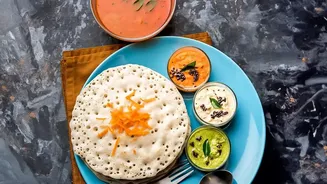
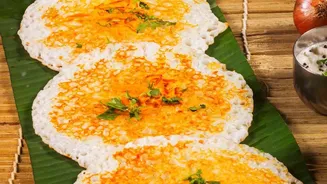
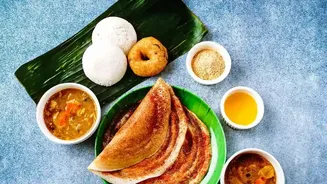
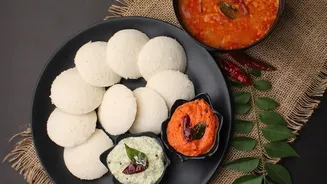
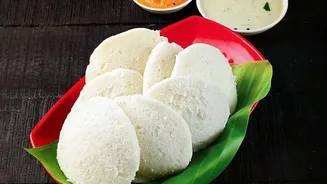
Travel south, and the culinary landscape shifts dramatically to reflect a world built on rice. In the warm, humid climates of Tamil Nadu, Kerala, Karnataka, and Andhra Pradesh, rice is not just a staple; it’s an art form. Here, the genius lies in fermentation. A simple batter of soaked and ground rice and lentils is left to ferment overnight, creating the foundation for some of India's most famous breakfast dishes. Soft, steamed idlis are light, fluffy cakes that are easy to digest, making them a perfect, healthy start to the day. The same batter, when thinned and spread on a hot griddle, becomes a dosa—a thin, crispy crepe with a delightfully tangy flavour. Variations abound, from the thicker, pancake-like uttapam topped with onions and tomatoes to the delicate, paper-thin neer dosa. Served with an array of coconut chutneys and a bowl of lentil-based sambar, a South Indian rice breakfast is a complete, balanced, and deeply satisfying meal.
The Resilient Power of Millets
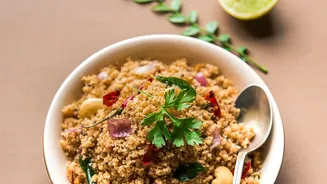
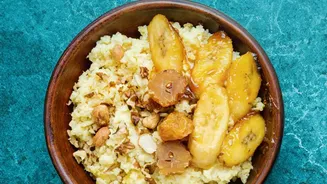
In the arid regions of Rajasthan and the Deccan Plateau covering parts of Maharashtra and Karnataka, hardy, drought-resistant millets take centre stage. For centuries, grains like bajra (pearl millet), jowar (sorghum), and ragi (finger millet) have been the lifeblood of these areas, offering immense nutrition and requiring little water to grow. These ancient grains are now being celebrated across India for their health benefits, but here, they have always been a breakfast staple. In Rajasthan and Gujarat, you might find Bajra Raab, a warming porridge perfect for winter mornings. In Maharashtra, jowar flour is used to make bhakri, a rustic flatbread, or a fermented porridge called Jowar Ambil. Down in Karnataka, ragi is transformed into nutritious dosas, porridges, and the famous ragi mudde. These millet-based breakfasts are packed with fibre and essential minerals, offering a powerful, slow-release energy that has sustained communities for generations.
A Mosaic of Regional Grains
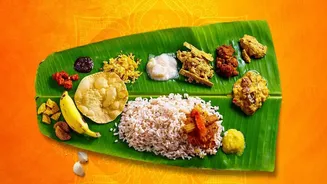
Beyond the big three of wheat, rice, and millets, India's breakfast table showcases even greater diversity. In Bihar, sattu, a flour made from roasted Bengal gram, is used to stuff parathas for a protein-packed meal. In Maharashtra and Madhya Pradesh, poha (flattened rice) is cooked with onions, spices, and peanuts for a quick and light yet filling dish. Goan breakfasts might feature sannas, fluffy steamed rice cakes similar to idlis. In Kerala, ground rice and coconut are steamed in cylindrical moulds to create puttu, often served with a savoury chickpea curry or sweet bananas. Each of these dishes tells a unique story, tied to the specific produce and culinary traditions of its home region, proving that India's breakfast menu is as diverse as its people.