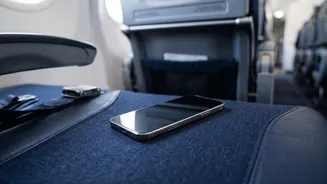








It’s a moment of pure panic: you’ve left the aircraft, cleared the gate, and suddenly realise your tablet, jacket, or headphones are still in the seat pocket. Getting it back should be simple, right? Here’s why it's anything but.
The Race Against the Clock
The first and biggest
hurdle is time. An aircraft only makes money for an airline when it's in the air. Every minute it sits on the ground is a minute of lost revenue, which is why airlines are masters of the 'turnaround'. For many short-haul flights, the entire process of deplaning, cleaning, refuelling, and boarding for the next flight happens in as little as 30 to 45 minutes. This tightly choreographed operation involves multiple teams working simultaneously. By the time you realise you’ve forgotten something, the plane is likely already being prepped for its next journey, and there’s no room in the schedule for a passenger to go back on board.
The Sterile Cockpit and Cabin
Once passengers have disembarked, the aircraft becomes a secure and restricted zone. Aviation regulations, both in India and globally, are incredibly strict about who can access a plane and when. After a flight lands and is emptied of passengers, it undergoes security procedures. Crew and ground staff cannot simply let a passenger walk back on. Even for airline employees, accessing the aircraft requires authorisation and is subject to security protocols. Recent directives from India's Bureau of Civil Aviation Security (BCAS), for example, highlight the strict procedures for even allowing passengers off a plane during long delays, requiring coordination with security agencies and rescreening. These rules are in place for safety and security, to ensure no unauthorised persons or items get on board.
The Cleaning Crew's Mission
The cleaning crew is your best, and last, hope of an item being found on board, but their primary mission is speed and sanitation, not treasure hunting. In the few minutes they have, their job is to clear rubbish, wipe down surfaces, and reset the cabin for the next set of passengers. A forgotten book in a seat pocket or a scarf on the floor can easily be mistaken for trash and discarded. Even if they do find a valuable item, they are required to hand it over according to procedure. The item then leaves the aircraft and begins its journey into the airline or airport's lost and found system.
The Lost and Found Maze
If your item is found, it doesn't just wait for you at the gate. It gets logged and sent to a central lost and found department. A key point of confusion for travellers is who to contact. Items left on the plane are the airline's responsibility. However, items lost in the terminal, at a security checkpoint, or in a lounge are handled by the airport's separate lost and found department. This is why it's crucial to identify exactly where you lost the item. For example, Mumbai's CSMIA and Delhi's IGI Airport have their own lost property offices that are distinct from the airlines operating there. Once an item is logged, it can take anywhere from a few days to a couple of weeks to process before you can even confirm it's been found.
What You Can Actually Do
While the odds seem long, you can improve your chances of recovery. The most critical factor is speed. If you realise your mistake before leaving the arrivals area, immediately find an airline representative at the gate or a customer service desk. They may be able to radio the crew before the cleaning process is complete. If you've already left the airport, you must file a lost item report online with the airline as soon as possible. Be incredibly detailed in your description: 'black iPhone 13 with a small crack on the corner in a blue case' is much better than 'lost phone'. Provide your flight number, seat number, and date of travel. This detailed information is vital for helping the staff match your report to an item in their inventory.