




Gathering Your Candlemaking Kit
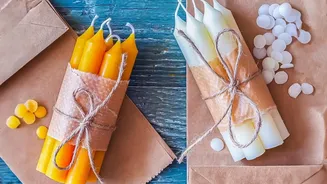
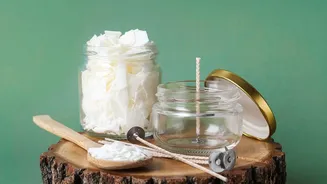
Embarking on your candlemaking journey starts with assembling the right set of tools and materials. Having everything on hand before you begin makes the process smoother and more enjoyable. You will need a high-quality candle wax, such as soy, beeswax,
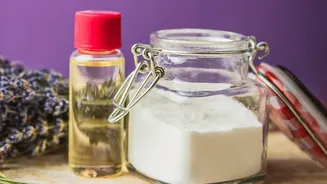
or a paraffin blend. You'll also need candle wicks properly sized for your containers, wick stickers or a hot glue gun to secure them, and a centering tool to hold the wick in place while the wax sets. For melting, a dedicated wax melting pot or a double boiler setup is essential. A kitchen scale will ensure you measure your wax and fragrance oil accurately, while a pouring pot makes transferring the hot wax less messy. Finally, choose your favourite fragrance oils, some heat-proof containers or jars for your candles, and have stirring utensils like a silicone spatula or bamboo skewers ready.
Choosing Your Wax and Fragrance
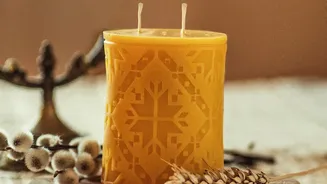
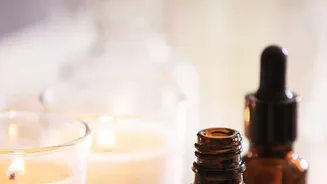
The foundation of a great candle is the wax. Soy wax is a popular choice for beginners; it's a natural, renewable resource that burns cleanly and holds scent well. Beeswax is another natural option with a subtle honey aroma of its own, but it can be more expensive. Paraffin wax is a traditional choice known for its strong scent throw, meaning how well the fragrance fills a room. When selecting fragrance oils, look for those specifically designed for candlemaking, as they are formulated to bind with wax and perform safely when heated. The creative possibilities are endless, from fresh scents like linen and cut grass to warm, gourmand notes of vanilla and mahogany. You can even blend different oils to create a truly unique signature scent. Start with a fragrance load of about 6-10% of the total wax weight and adjust based on your preference.
Step-by-Step: From Wax to Wick
With your supplies ready, it's time to create. First, use a scale to weigh the amount of wax needed for your container. Gently melt the wax in your double boiler or melting pot over medium-low heat, stirring occasionally. While the wax melts, prepare your containers by securing a wick to the bottom centre of each jar. Once the wax is fully melted, let it cool slightly to the temperature recommended by your fragrance oil supplier, typically around 85°C. Add your pre-measured fragrance oil to the melted wax and stir gently but thoroughly for about two minutes to ensure it fully incorporates. Carefully pour the scented wax into your prepared containers, leaving a little space at the top. Use a wick centering tool to keep the wick straight and in the middle of the jar. Now, the hardest part: patience. Let the candles cool and cure undisturbed for at least 24 hours before trimming the wick to about a quarter of an inch.
The Art of Personalisation
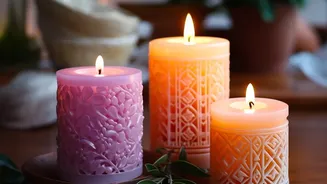
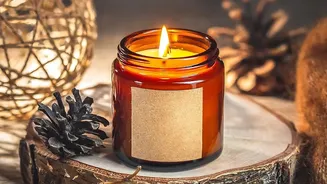
This is where your creativity truly shines. Beyond scent, you can personalise your candles in many ways. Add liquid candle dye to the melted wax along with your fragrance oil to create a custom colour that matches your decor. For a more advanced technique, you can create layered candles by pouring different coloured and scented waxes, allowing each layer to partially set before adding the next. The exterior of the candle vessel offers another canvas for customisation. You can paint the glass jars, create custom labels, or even transfer photos or designs onto the candle itself using tissue paper and a heat gun for a truly personal touch. These decorative elements transform a simple candle into a thoughtful handmade gift or a unique piece of home decor.
Safety First, Always
Working with hot wax requires caution. Always set up your workspace in a well-ventilated area, away from flammable materials, children, and pets. Never leave melting wax unattended on the stove. Wearing safety glasses, an apron, and closed-toe shoes is a good practice to protect yourself from accidental splashes and spills of hot wax. Fragrance oils are concentrated, so handle them with care and avoid direct skin contact. When your candle is finished, ensure it's placed on a heat-resistant surface when lit and never leave a burning candle unattended. Adhering to these safety protocols ensures that your candlemaking hobby remains a fun and rewarding experience.