

The climate crisis is often called a shared global problem, but its burdens are far from shared equally. Recent reports confirm a stark injustice: the world's poorest people face the most severe consequences of a crisis they did little to create.
The Great Carbon Divide
The core
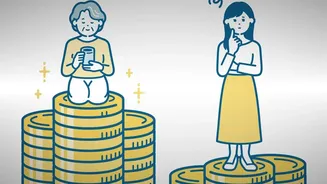
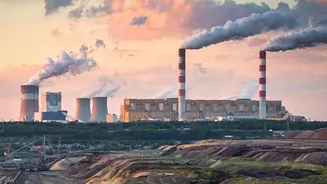
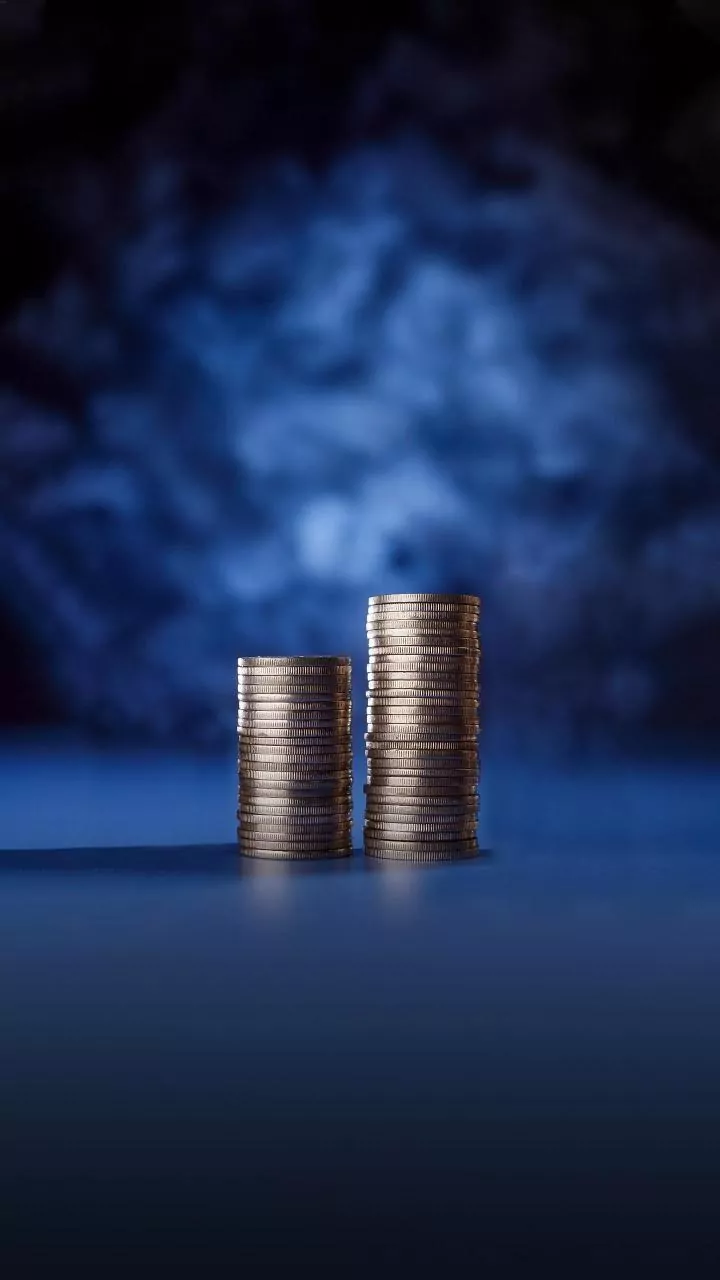
of the issue lies in 'carbon inequality'. Greenhouse gas emissions, which drive climate change, are overwhelmingly produced by wealthier nations and the richest individuals. Research from organisations like Oxfam reveals a staggering disparity: the richest 1% of the world's population is responsible for more carbon emissions than the poorest 50% combined. Some reports show the wealthiest 10% are responsible for nearly half of all consumption-based emissions. This is not just a historical issue. While industrialised nations in the Global North built their economies on fossil fuels for over a century, the high-consumption lifestyles of the wealthy everywhere—including private jets, yachts, and extensive investments in polluting industries—continue to fuel the crisis. In contrast, the carbon footprint of a person in a low-income country is a tiny fraction of that in a high-income one.
Paying the Highest Price
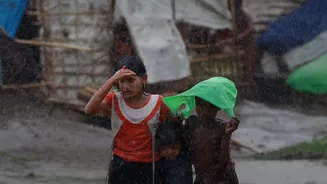
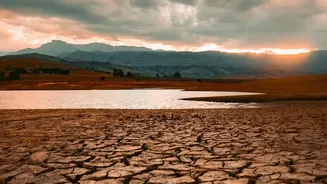
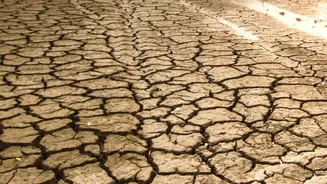
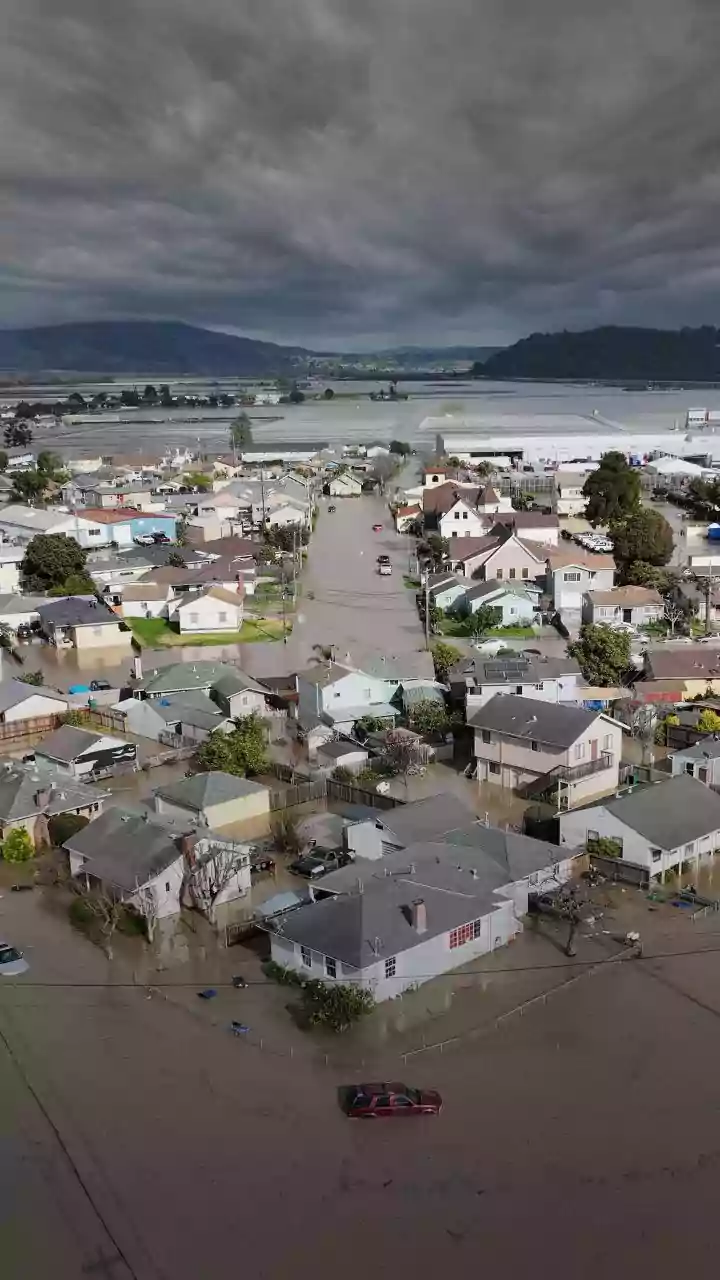
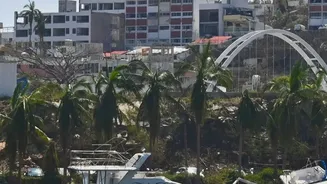
While the benefits of high-carbon activities have flowed to a wealthy few, the costs are paid by the many. Poorer communities, particularly in the Global South, are more geographically and economically vulnerable to climate impacts. A UN report highlighted that nearly 80% of the world's poorest live in regions highly exposed to hazards like extreme heat, flooding, and drought. These populations often reside on marginal lands, such as low-lying coastal areas or unstable hillsides, because they lack the resources for safer locations. When disaster strikes—be it a super-cyclone in the Bay of Bengal, prolonged drought in sub-Saharan Africa, or devastating floods in Pakistan—they bear the brunt. Their homes are often less resilient, and they lack the insurance or savings needed to rebuild their lives, creating a vicious cycle of poverty and vulnerability.
The Indian Context
For India, this global injustice has severe local consequences. The nation's vast population of farmers is existentially dependent on predictable monsoon patterns, which are becoming increasingly erratic. Unseasonal heavy rains can destroy standing crops, while weak monsoons lead to drought and crop failure, pushing farming families deeper into debt. Along India's long coastline, villages in the Sundarbans and states like Kerala face the dual threat of sea-level rise and more intense cyclones. In cities, the urban poor, often living in crowded informal settlements with poor ventilation and limited green space, are disproportionately affected by the soaring summer temperatures and lethal heatwaves that are becoming more frequent. They have the least capacity to adapt, lacking access to air-conditioning or reliable healthcare.
A Question of Justice
This imbalance has led to growing calls for 'climate justice'. The argument is that those who are historically and currently most responsible for emissions have a moral and financial obligation to help those who are suffering the most. This principle, known as 'Common But Differentiated Responsibilities', is a cornerstone of international climate negotiations. It is the driving force behind demands for a 'Loss and Damage' fund, a mechanism designed to provide financial assistance to vulnerable nations already coping with the irreversible impacts of climate change. Reports estimate that just one year of emissions from the richest 1% will cause 1.9 million excess deaths, primarily in low and middle-income countries. This highlights that the climate crisis is not just an environmental issue, but a fundamental matter of human rights and global equity.