




The Challenge of Foreign Roots
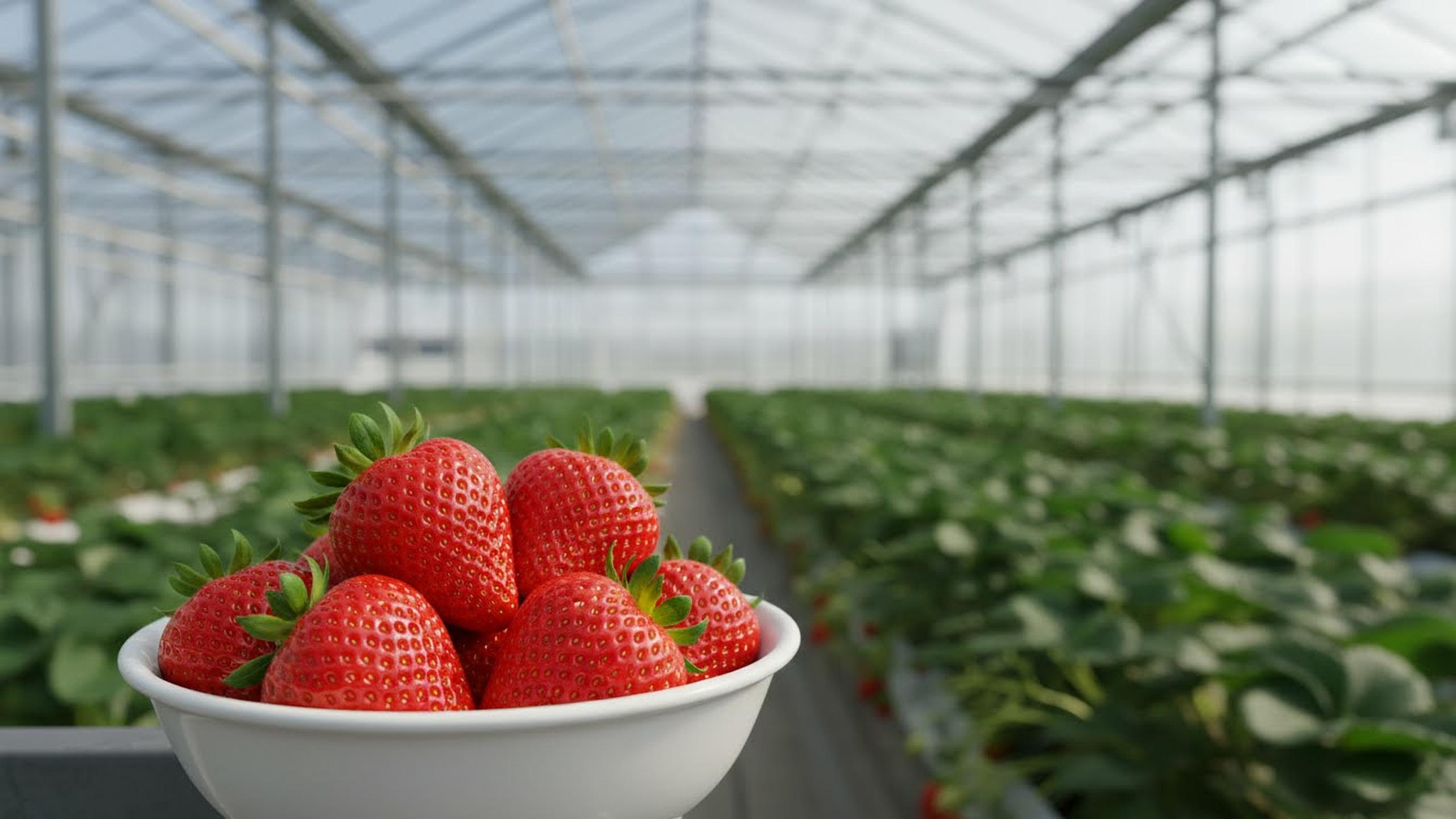
For decades, India's strawberry cultivation has depended on mother saplings and runner plants imported primarily from countries like the United States and Europe. Farmers in regions like Mahabaleshwar, which impressively accounts for about 85% of India's total
strawberry production, have traditionally planted varieties such as Chandler and Camarosa. These cultivars, developed in and for Western climates, come with significant drawbacks. The reliance on imports creates economic strain due to high costs and regulatory hurdles. Furthermore, these foreign varieties are often not optimised for India's diverse agro-climatic conditions, making them susceptible to local pests and diseases, and sometimes less resilient to the Indian monsoon patterns.
A Push for Agricultural Self-Reliance
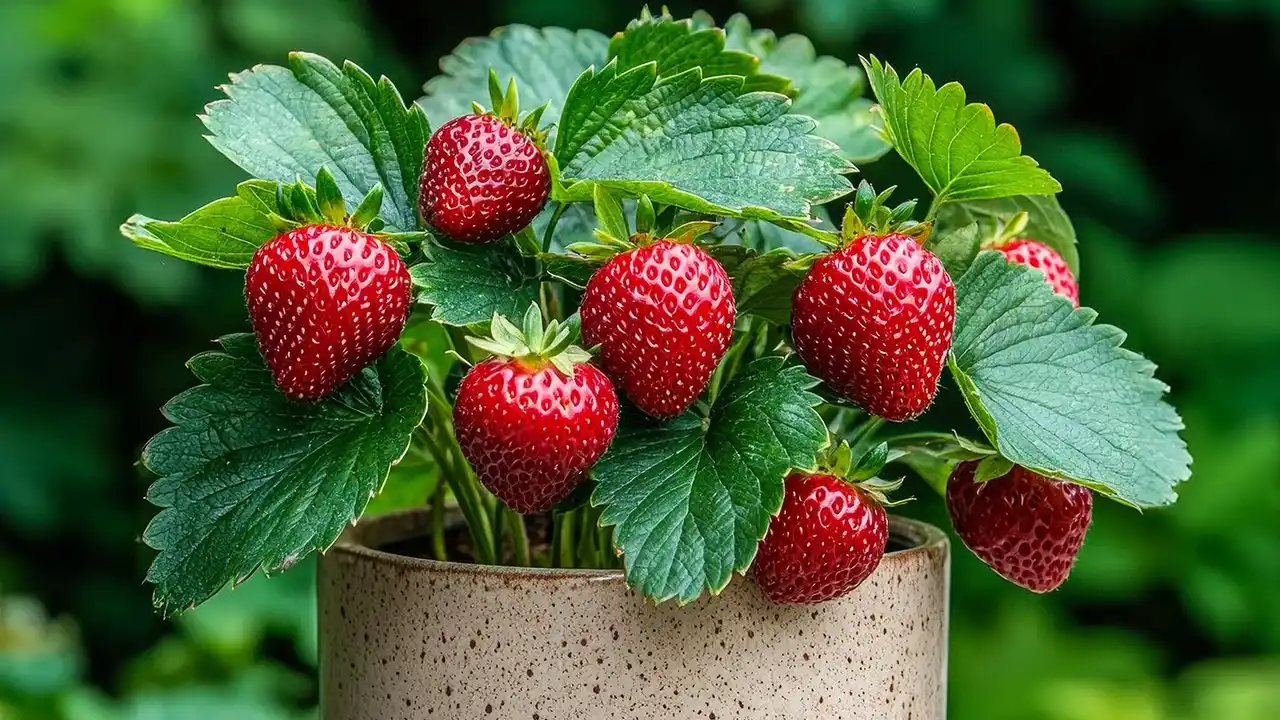
In a strategic move echoing the broader 'Atmanirbhar Bharat' initiative, Indian agricultural institutions have embarked on an ambitious journey to develop homegrown strawberry varieties. This push is driven by a clear economic and agricultural imperative: to reduce import dependency, lower production costs for farmers, and build a more resilient domestic industry. By creating cultivars tailored specifically to Indian conditions—from soil types to climate patterns—the goal is to enhance crop resilience and optimize yields across the country's varied growing regions. This control over genetic resources is seen as a critical step toward establishing India as a significant player in the global berry market.
The Science of a Sweeter, Stronger Berry
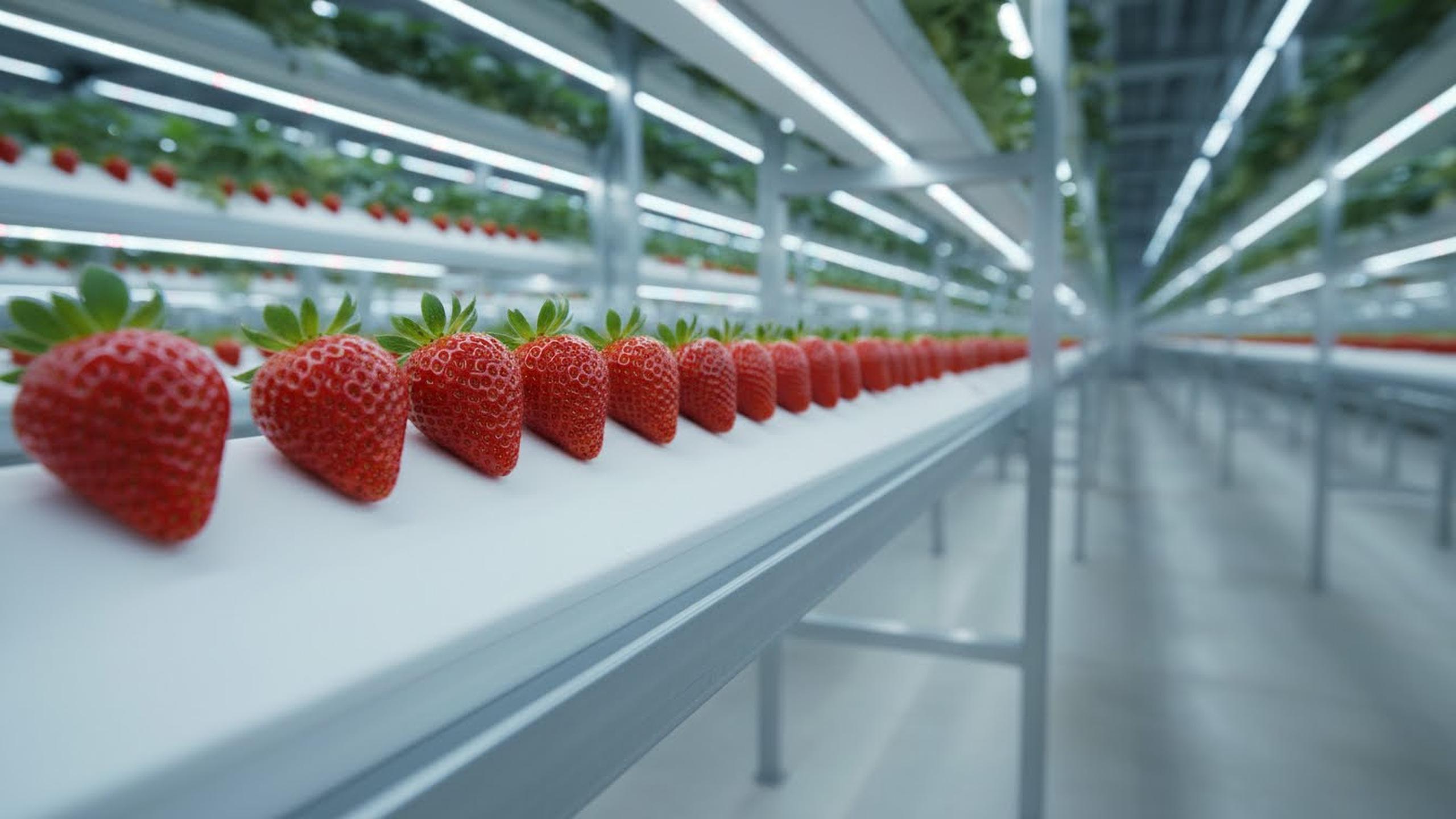
Developing a new strawberry variety is a meticulous process that takes years of dedicated research. Scientists at various agricultural research centers are at the forefront of this effort, employing advanced breeding techniques. The process involves cross-pollinating different strawberry plants with desirable traits and then carefully selecting the offspring. The objective is to create new varieties that offer a suite of advantages. Researchers are focusing on developing plants that are not only high-yielding but also resistant to local diseases and pests. Adaptability to India's climate, including tolerance to heat and specific monsoon conditions, is a primary focus of these breeding programs. The result is a pipeline of new, indigenous cultivars designed for Indian farms.
The Benefits for Farmers and Consumers
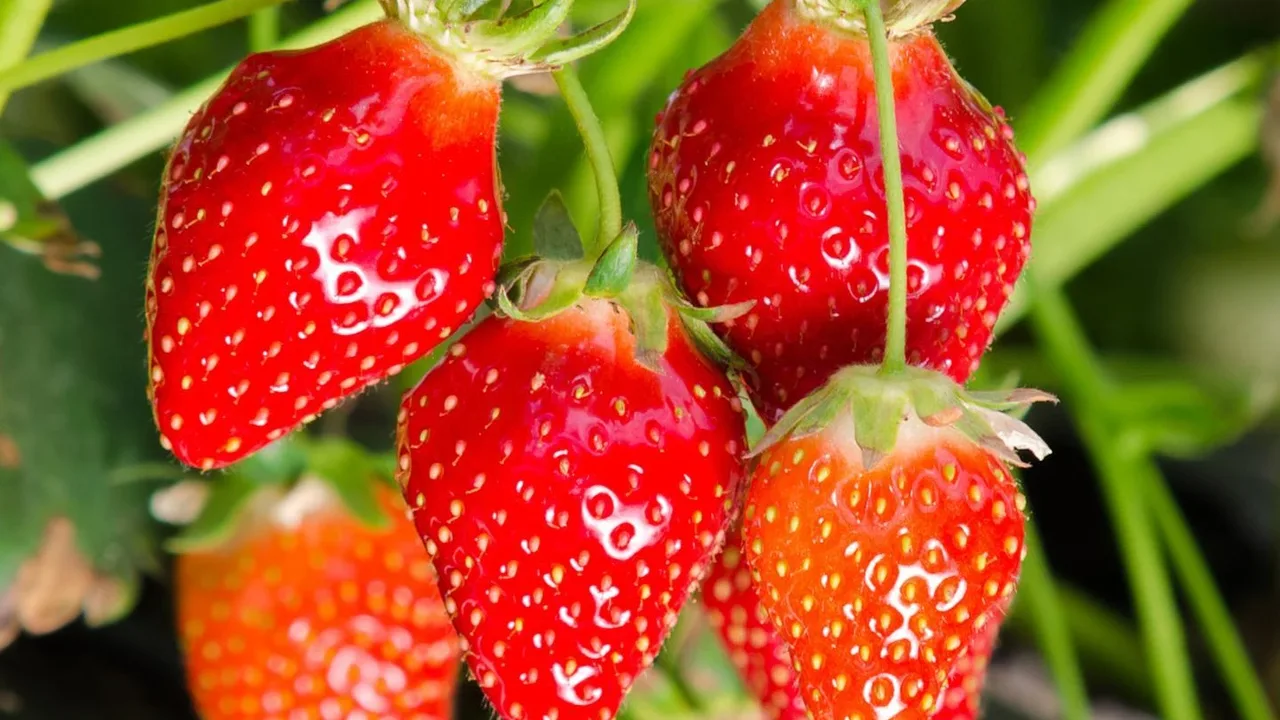
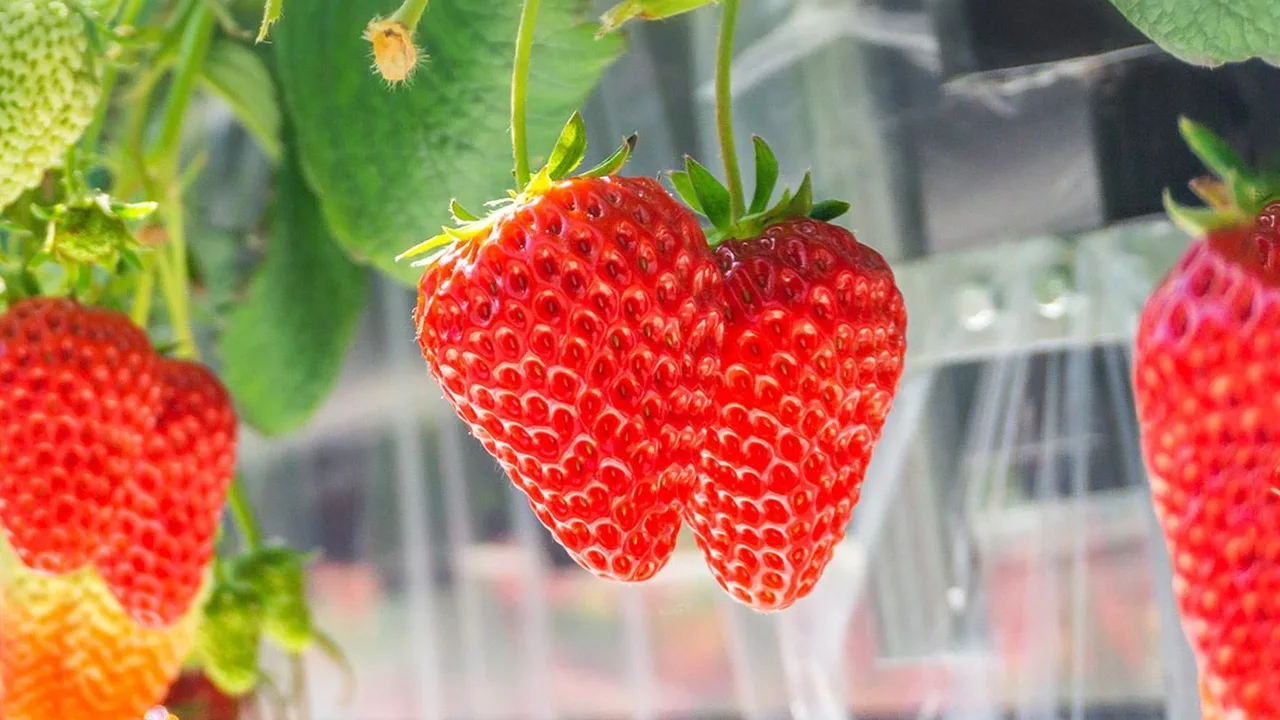
The successful development and adoption of indigenous strawberry varieties promise a cascade of benefits. For farmers, the most immediate impact is a significant reduction in input costs, as the expense of importing planting material is eliminated. Locally adapted varieties are expected to lead to higher and more stable yields, improving profitability and reducing the risk of crop failure. For consumers, this could mean better quality fruit that is optimised for local tastes. These Made-in-India strawberries are being bred for traits like enhanced flavour, size, and shelf-life, ensuring that the final product is both delicious and durable. The initiative also opens up opportunities for employment and encourages rural youth to engage in smart, profitable farming.
From the Lab to the Farm
The transition from research to widespread cultivation is the final, crucial step. Agricultural research institutions are collaborating with farmer associations to conduct field trials of the new varieties, gathering crucial data and feedback. Once proven, these indigenous cultivars are commercialised and made available to growers. This national project is not just about replacing imports but about fundamentally strengthening India's horticultural ecosystem. By investing in agricultural R&D, India is securing its food production, enhancing farmer livelihoods, and carving out a competitive edge in the global market. The journey from imported runners to locally bred varieties marks a coming-of-age for India's strawberry industry, promising a sweeter, more self-sufficient future.