
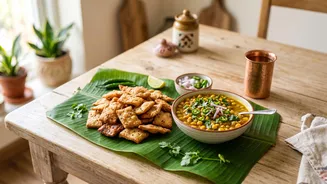
An Offering Made with Devotion
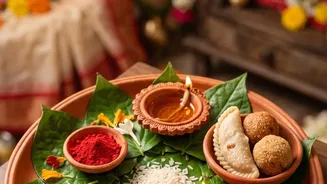
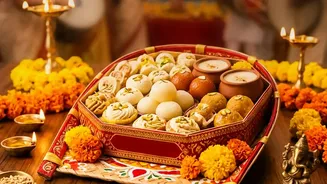
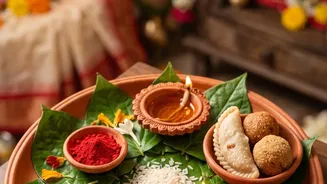
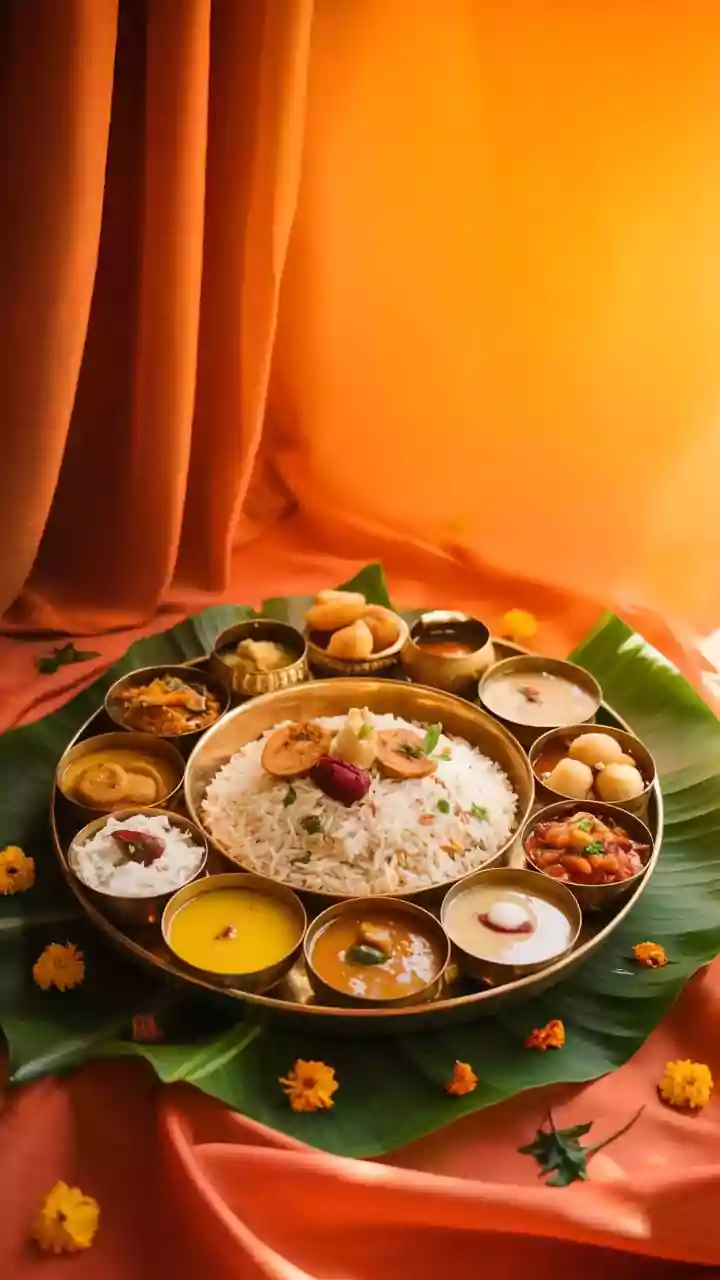
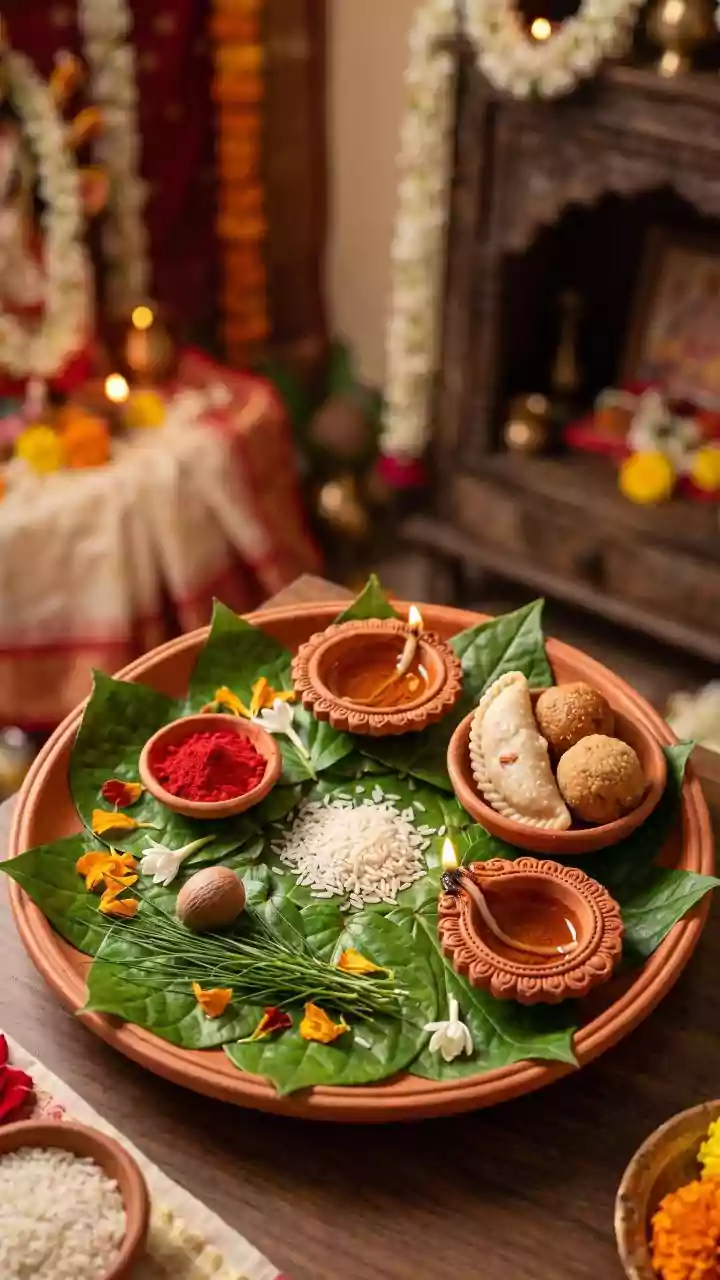
To understand Bhoger Khichuri, one must first understand 'bhog'. In its simplest terms, bhog is a food offering made to a deity. During Durga Puja, this khichuri is cooked with immense care and devotion, first offered to Goddess Durga, and then distributed
among devotees as prasad—a blessed meal. This act elevates the dish from mere sustenance to something sacred. Its significance lies not just in the ingredients, but in this journey from the divine to the community. Eating it is considered an act of receiving the Goddess's blessings, connecting everyone, regardless of their background, in a shared spiritual experience.
What Makes It 'Niramish' and Special
One of the defining characteristics of Bhoger Khichuri is that it is 'niramish'. While often translated as vegetarian, in the context of Bengali ritual cooking, it specifically means prepared without onions or garlic. These ingredients are considered 'tamasic' or exciting, and are traditionally avoided in food meant for religious offerings to maintain purity and a sattvic (balanced) nature. The recipe instead relies on ginger, whole spices like cinnamon and bay leaves, and a generous amount of ghee to build its unique, aromatic flavour profile that is both rich and subtle. This deliberate restraint is what separates it from everyday khichuri and marks it as a festive, sanctified food.
A Symphony of Scent and Texture
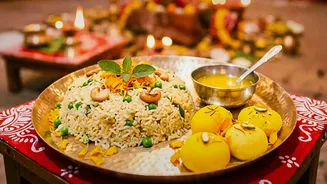
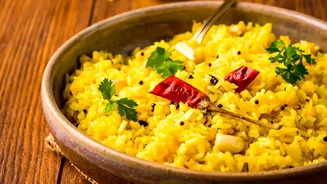
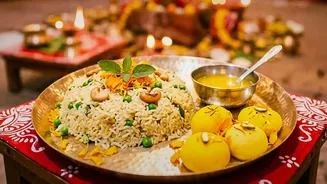
The magic of Bhoger Khichuri begins with its core ingredients and preparation. It is traditionally made with Gobindobhog rice, a short-grain, aromatic variety native to West Bengal, and sona moong dal. A crucial step that imparts a signature nutty aroma is the dry roasting of the moong dal before it's cooked. The rice and lentils are cooked together to a soft, almost porridge-like consistency, creating a dish that is deeply comforting. Seasonal vegetables like potatoes, cauliflower, and green peas are often added, making it a wholesome one-pot meal. The final flourish is a tempering of spices in ghee, sometimes finished with a sprinkle of 'bhaja moshla' (roasted spice mix), which envelops the pandal in an unmistakable festive fragrance.
The Taste of Togetherness
Beyond its religious importance, Bhoger Khichuri is a powerful symbol of community and equality. Served in sprawling pandal queues, often on salpata plates, it brings thousands of people together. The act of sitting shoulder-to-shoulder with strangers, sharing the same simple, blessed meal, dissolves social barriers. For many, the taste of this khichuri is inextricably linked to childhood memories: the excitement of 'pandal hopping', waiting in line for bhog, and the simple joy of a hot meal shared with family and friends. It transforms a familiar home-style dish into a grand communal experience, reinforcing the spirit of 'sarbojonin' or 'for everyone' that lies at the heart of community Durga Pujas.