




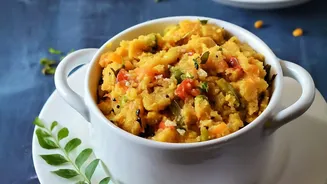
A Perfect Harmony of Flavour and Faith
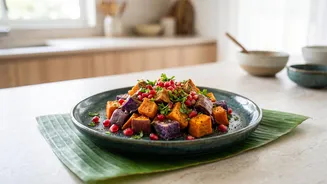
Navratri fasting, or 'vrat', involves abstaining from certain foods like grains, onions, and garlic. This period of dietary discipline is also an opportunity to explore a variety of 'falahari' dishes that are both delicious and sustaining. Sweet potato
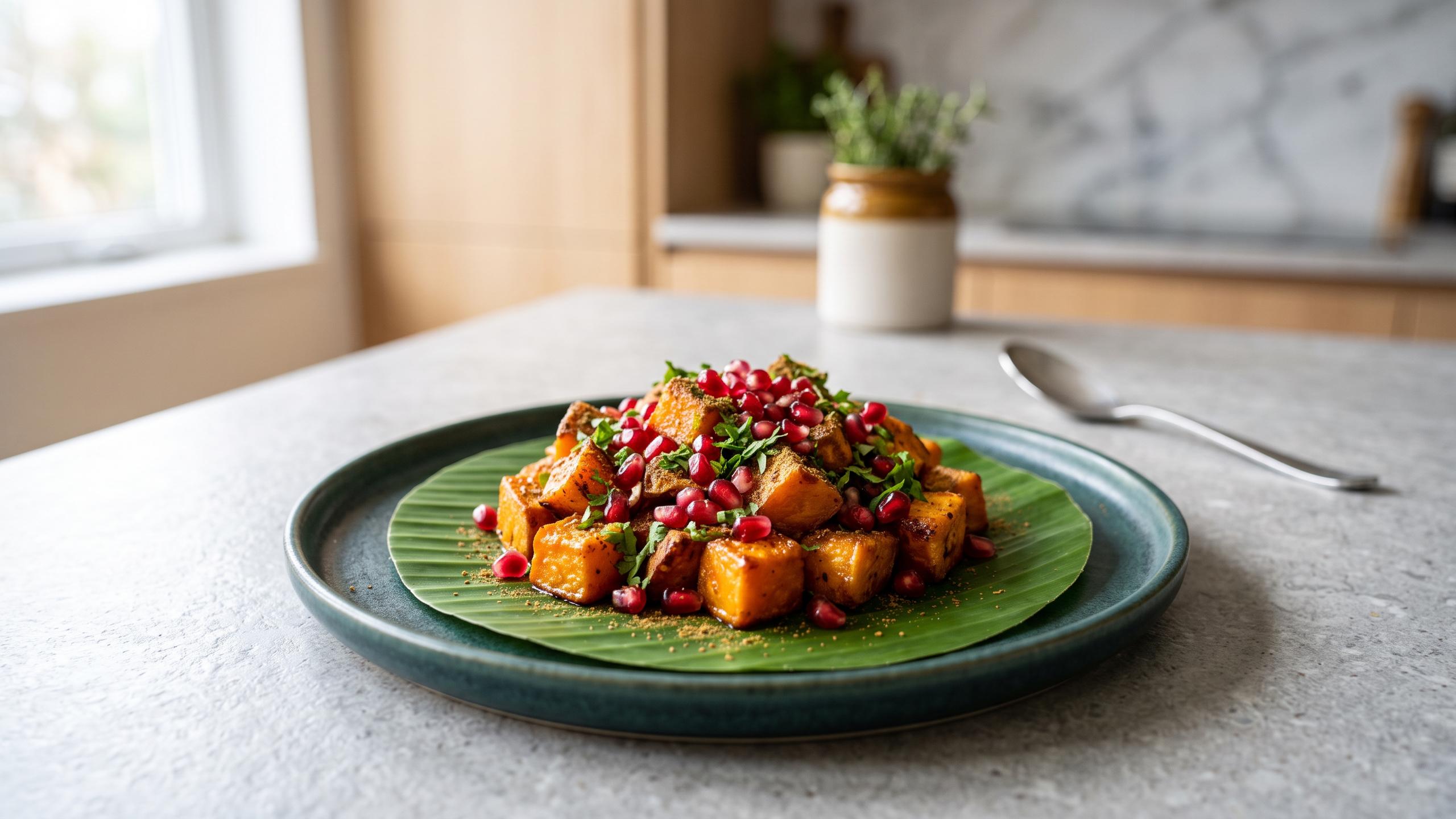
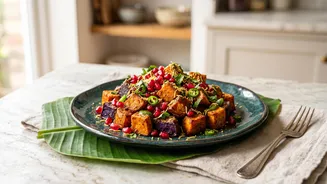
chaat is a cherished classic during this time. It's a snack that perfectly embodies the essence of festive fasting—it is nourishing, provides a much-needed energy boost, and tantalises the taste buds with its vibrant flavours, all while adhering to the customary dietary rules. The simple combination of soft, earthy sweet potato with a kick of spice and a tang of lemon makes it a street-food favourite that you can easily recreate at home.
The Nutritional Power of Sweet Potato
The star of this dish, the sweet potato or 'shakarkandi', is more than just a tasty root vegetable; it's a nutritional powerhouse. Often considered a healthier alternative to the regular potato, sweet potatoes are packed with fibre, antioxidants, and essential vitamins. They are particularly rich in Vitamin A, which is crucial for immune function and good vision. During a fast, when energy levels can dip, the complex carbohydrates in sweet potatoes provide a slow and steady release of energy, keeping you feeling full and active for longer. This makes shakarkandi an ideal ingredient for vrat-friendly meals.
Gathering Your Vrat-Friendly Ingredients
To make this chaat for Navratri, you'll need a specific set of ingredients. The core components are simple and readily available. You will need:\n\n Sweet Potatoes: About two medium-sized sweet potatoes, which will be the base of your chaat.\n Ghee or Oil: A tablespoon for pan-frying or roasting the sweet potato cubes.\n Spices: The key is to use spices permitted during Navratri. This includes roasted cumin powder (bhuna jeera), black pepper powder (kali mirch), and dried mango powder (amchur).\n Salt: Use rock salt (sendha namak) instead of regular table salt, as is traditional for fasting foods.\n Lemon Juice: Freshly squeezed lemon juice adds the essential tangy flavour.\n Garnish (Optional): Fresh coriander leaves and juicy pomegranate seeds add freshness, colour, and a delightful crunch.
Step-by-Step Guide to Perfect Chaat
Creating this flavourful chaat is a straightforward process. The most important part is preparing the sweet potatoes correctly.\n\n1. Cook the Sweet Potatoes: Begin by washing the sweet potatoes thoroughly. You can cook them by either boiling, pressure cooking, or roasting. For boiling, place them in a pot with enough water to cover them and cook until fork-tender. Roasting them in an oven or air fryer can provide a crispier, slightly smoky flavour. To roast, peel and cube the potatoes, toss them in a little oil or ghee, and bake at around 200°C (400°F) for 20-30 minutes until tender.\n\n2. Peel and Cube: Once cooked and cool enough to handle, peel the skin off the sweet potatoes. Cut them into bite-sized cubes, about one inch in size. Be gentle to ensure they don't become mushy.\n\n3. Mix the Flavours: In a large bowl, combine the sweet potato cubes. Sprinkle the sendha namak, roasted cumin powder, black pepper powder, and amchur powder over them. Drizzle with fresh lemon juice. Gently toss everything together until the cubes are evenly coated with the spices.\n\n4. Serve Immediately: Garnish with chopped fresh coriander and pomegranate seeds. For the best taste and texture, serve the chaat immediately while it's still warm.
Tips and Delicious Variations
While the classic recipe is a winner, you can easily adapt it to your preference. For a creamier texture, you can add a dollop of whisked yoghurt (dahi) on top. If you enjoy a bit of crunch, toss in some roasted peanuts. Many recipes also include green coriander chutney and sweet tamarind chutney for an extra layer of flavour, but ensure they are made with vrat-friendly ingredients. Another modern take is to use an air fryer to make the sweet potato cubes extra crispy before tossing them in the spices, offering a healthier alternative to deep-frying. The key is to keep the flavours balanced so the natural sweetness of the shakarkandi remains the hero of the dish.