






A Cultural Shift Brews
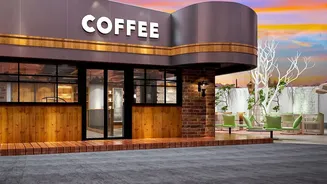
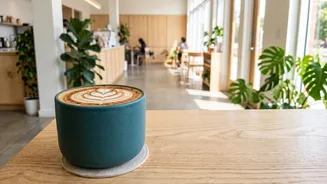
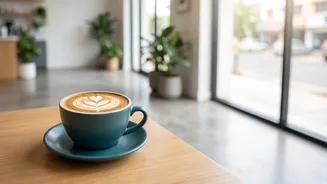
Across India, the cafe has transformed from a place for an occasional treat into an essential 'third place'—a versatile space that is neither home nor office. This shift is driven by a young, aspirational demographic of millennials and Gen Z, who see
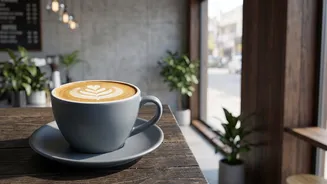
cafes as extensions of their living rooms: places to work, socialise, take meetings, or simply relax. The post-pandemic normalisation of remote and hybrid work has cemented this role, with freelancers, students, and professionals seeking environments that blend productivity with comfort. Unlike traditional restaurants, cafes offer flexibility, allowing patrons to linger for hours, which has made them integral to modern urban life and social routines. Industry surveys show a significant portion of customers now visit cafes daily or at least weekly, signalling that these venues have become habitual spaces.
Demand Moves Beyond the Metros
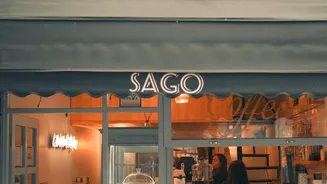
For years, premium cafe culture was concentrated in cities like Mumbai, Delhi, and Bengaluru. Today, the most exciting growth story is unfolding in Tier-2 and Tier-3 cities such as Lucknow, Jaipur, Indore, and Kochi. Rising disposable incomes, deeper internet penetration, and exposure to global trends via social media have created a new, discerning customer base in these emerging markets. This new audience is aspirational but also value-conscious, seeking quality experiences that mirror those in larger cities but at more accessible price points. Major chains are taking notice. Tata Starbucks, for instance, plans to grow to 1,000 stores by 2028, with a significant 60% of these new outlets targeting smaller cities, a clear bet on their rising purchasing power. This expansion is not just limited to big brands; independent cafes are also mushrooming, meeting the local demand for unique, community-focused spaces.
The Real Estate Equation
The headline's claim of 'cheaper rents' is nuanced. While prime high-street locations in major metros have seen rents climb, the overall commercial real estate landscape has dynamics that favour cafe expansion. The aggressive growth into Tier-2 and Tier-3 cities is partly fuelled by more favourable operating economics, including lower rental costs compared to saturated metro markets. Furthermore, the rise of mixed-use developments that integrate retail, dining, and residential spaces creates new, captive audiences for cafes. Developers are increasingly viewing cafes and restaurants as essential amenities that add value and drive footfall to their properties. This creates opportunities for cafe operators to secure locations in newly developed commercial hubs and residential complexes, often with more flexible leasing terms.
More Than Just a Cup of Coffee
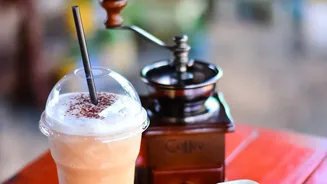
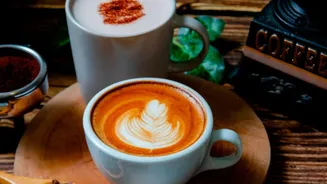
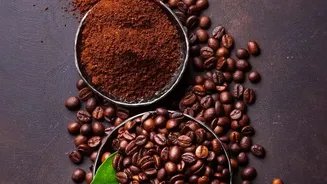
The success of the modern Indian cafe is not just built on a good espresso. It’s about the holistic experience. Discerning customers now expect a welcoming ambience, reliable Wi-Fi, comfortable seating, and a diverse menu that extends beyond beverages. Food is an increasingly important driver of revenue and repeat visits, with many cafes offering extensive menus for 'freestyle dining' that cater to patrons throughout the day. Beverage innovation, including a growing interest in cold brews and specialty non-coffee options like matcha, also helps attract a wider audience and encourages more frequent visits. This focus on the complete experience transforms a simple coffee run into an occasion, boosting customer loyalty and average spending per visit.
The Road Ahead for India's Cafes
The Indian cafe market is projected to grow robustly, with some estimates suggesting the number of branded outlets could nearly double by 2030. The market is forecast to grow from over USD 20 billion in 2026 to more than USD 31 billion by 2031. This growth is bringing intense competition, not just from other cafes but also from quick-service restaurants and a thriving at-home brewing scene. To succeed, brands must focus on strong unit economics, operational efficiency, and building genuine customer loyalty. The future will likely favour those who can adapt, whether by specialising in high-end specialty coffee, creating hybrid cafe-bar concepts, or scaling efficiently through franchise models, especially in the untapped smaller cities that represent the next frontier of growth.