





A Triumphant Return to Flight
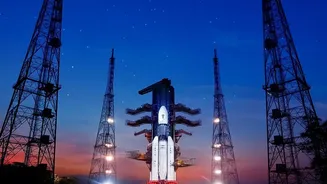
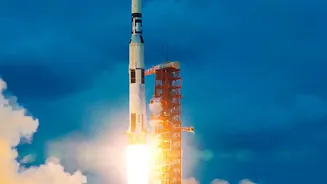
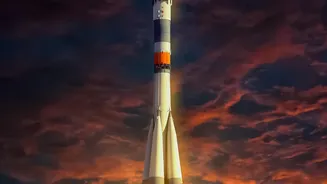
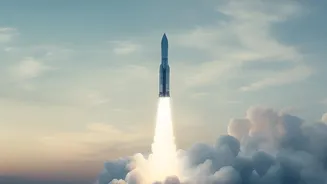
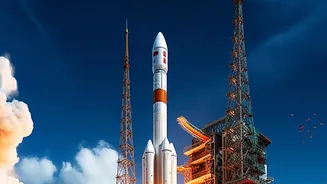
The Indian Space Research Organisation (ISRO) celebrated a major victory with the successful flight of its Geosynchronous Satellite Launch Vehicle (GSLV). In a mission that was closely watched by the global space community, the rocket flawlessly placed
its payload into the intended orbit. This launch was more than just another mission; it was a redemption flight. Specifically, the GSLV-F12 mission successfully deploying the NVS-01 navigation satellite in May 2023 marked the vehicle's triumphant return after a deeply felt failure nearly two years prior. This success was critical for reaffirming the rocket's reliability and clearing the path for future launches.
The Shadow of a Past Failure
To understand the importance of the GSLV's return, one must look back to August 2021. The GSLV-F10 mission, carrying the advanced Earth Observation Satellite EOS-03, ended in failure. The first two stages of the rocket performed perfectly, but a critical anomaly occurred in the final, cryogenic upper stage. The onboard computer aborted the mission just over five minutes into the flight. A detailed investigation by a Failure Analysis Committee traced the problem to a tiny but catastrophic leak in a valve within the cryogenic stage. This leak prevented the engine from igniting, leading to the loss of both the rocket and the precious satellite. It was a significant blow, temporarily halting progress on key projects.
The Notorious but Needed GSLV
The GSLV has often been called ISRO's "naughty boy" due to its historically inconsistent performance compared to the ultra-reliable Polar Satellite Launch Vehicle (PSLV). However, the GSLV is indispensable. While the PSLV is a workhorse for lighter satellites sent to lower orbits, the GSLV is designed for the heavy lifting, capable of placing larger satellites of 2 tonnes and more into high geostationary orbits. The key challenge—and the source of past troubles—is its complex cryogenic upper stage. This stage uses propellants like liquid hydrogen and liquid oxygen at extremely low temperatures, a technology that only a handful of nations have mastered. Mastering the cryogenic stage is crucial for self-reliance in launching heavy communication, navigation, and strategic satellites.
The Mission of the Satellites
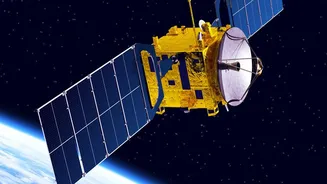
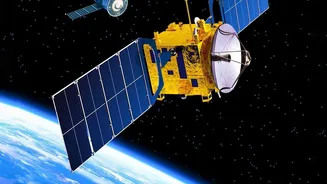
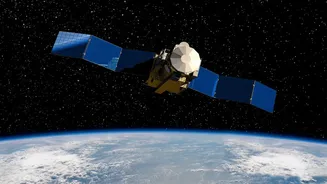
The satellites carried by these GSLV missions are vital for India's infrastructure. Earth Observation Satellites, like the lost EOS-03 and its planned successors, provide continuous monitoring for disaster management, agricultural planning, and security surveillance. The successful NVS-01 satellite, which marked the GSLV's return, is part of the NavIC constellation—India’s homegrown alternative to GPS. It provides critical positioning data for both civilian and strategic applications, from everyday navigation to military operations. The ability to launch these heavier, more capable second-generation navigation satellites independently is a major strategic asset.
Why This Success Matters for India
The successful return of the GSLV is a watershed moment for ISRO. It restores confidence in a launch vehicle that is central to India's future space ambitions. Most notably, the GSLV is a critical component of the Gaganyaan program, India's ambitious mission to send astronauts into space. The human-rated version of the GSLV, now called LVM3, relies on the same core cryogenic technology. Proving the reliability of the GSLV family is a prerequisite for trusting it with human lives. Furthermore, a dependable heavy-lift launcher enhances India's position in the global commercial launch market, opening doors to launching heavier satellites for other nations and boosting the space economy.