






What 5.32% Inflation Means for Your Plate
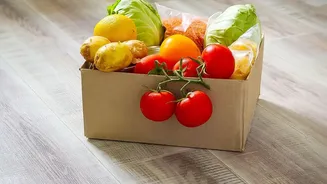
A figure like 5.32% can feel abstract, but its effects are tangible. It means that on average, the basket of food items you bought for your family last year for ₹1,000 now costs over ₹1,053. Recent data shows this surge is primarily driven by essentials
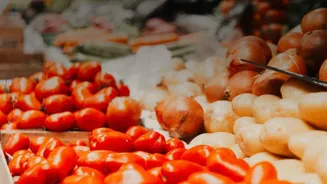
like vegetables, pulses, and even some spices. Items like tomatoes and ginger have seen particularly steep price hikes. This isn't just a statistic; it's the reason your monthly grocery budget may no longer be sufficient. Understanding these key drivers helps in making targeted adjustments rather than feeling overwhelmed by rising costs. It's about knowing where the financial leaks are and plugging them with smart choices.
The Weekly Menu: Your Financial Shield
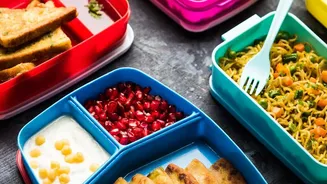
In times of stable prices, cooking on a whim is a luxury. During inflationary periods, it's a financial liability. The single most effective tool against rising food costs is a well-thought-out weekly menu. Planning your meals from breakfast to dinner for seven days helps you create a precise shopping list. This eliminates impulse buys, a major source of budget overruns. It also ensures you buy only what you need, drastically cutting down on food waste, which is essentially throwing money away. A menu doesn't have to be rigid; think of it as a roadmap that allows for detours but keeps you headed in the right financial direction. Start simple by planning just your dinners for a week.
Shop Smarter, Not More Frequently
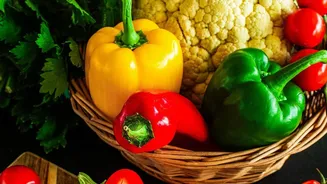
Your menu is your guide; your shopping strategy is your execution. To make the most of your budget, embrace seasonal produce. Bhindi (okra) and lauki (bottle gourd) will be far cheaper in summer than out-of-season cauliflower. Compare prices between your local vegetable vendor, the supermarket, and online apps. Often, local mandis offer fresher produce at better rates. For non-perishables like dals, rice, and spices, consider buying in larger quantities if storage allows, as the per-unit cost is often lower. Also, avoid shopping when you are hungry. This age-old advice is more critical than ever, as it prevents you from filling your cart with expensive, unplanned snacks and treats.
Smart Swaps and Ingredient Flexibility
A smart menu incorporates flexibility. If paneer prices have shot up, consider substituting with tofu or a hearty lentil dish for a protein-rich meal. If a recipe calls for an expensive, exotic vegetable, don't be afraid to swap it with a local, seasonal alternative. Learning to cook with what's affordable is a key skill. This is also a great opportunity to rediscover regional grains like millet (bajra, jowar) and ragi, which are often more nutritious and budget-friendly than refined wheat and rice. A "one-pot, one-shot" cooking approach, using pressure cookers for dishes like khichdi or vegetable pulao, also saves time, energy, and uses fewer ingredients.
Reduce Waste, Maximise Value
Every vegetable peel you throw away, every bit of leftover rice that goes into the bin, contributes to your food bill. Fighting inflation also means fighting waste. Get creative with leftovers. Yesterday's dal can be used to knead dough for parathas. Extra rice can be turned into flavourful fried rice or lemon rice for the next day's lunch. Stalks of cauliflower and broccoli, often discarded, are delicious and nutritious in soups or stir-fries. Learn proper storage techniques to extend the life of your produce. For instance, wrapping green chillies and coriander in a damp cloth can keep them fresh for longer. Mastering your refrigerator and pantry is as important as mastering your stove.