




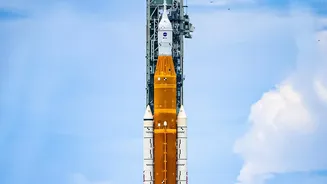
The Rocket Problem
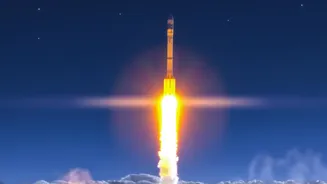
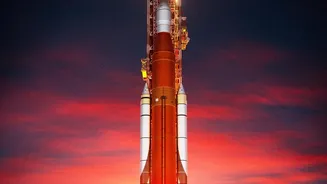
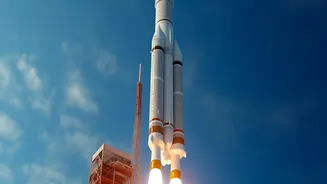
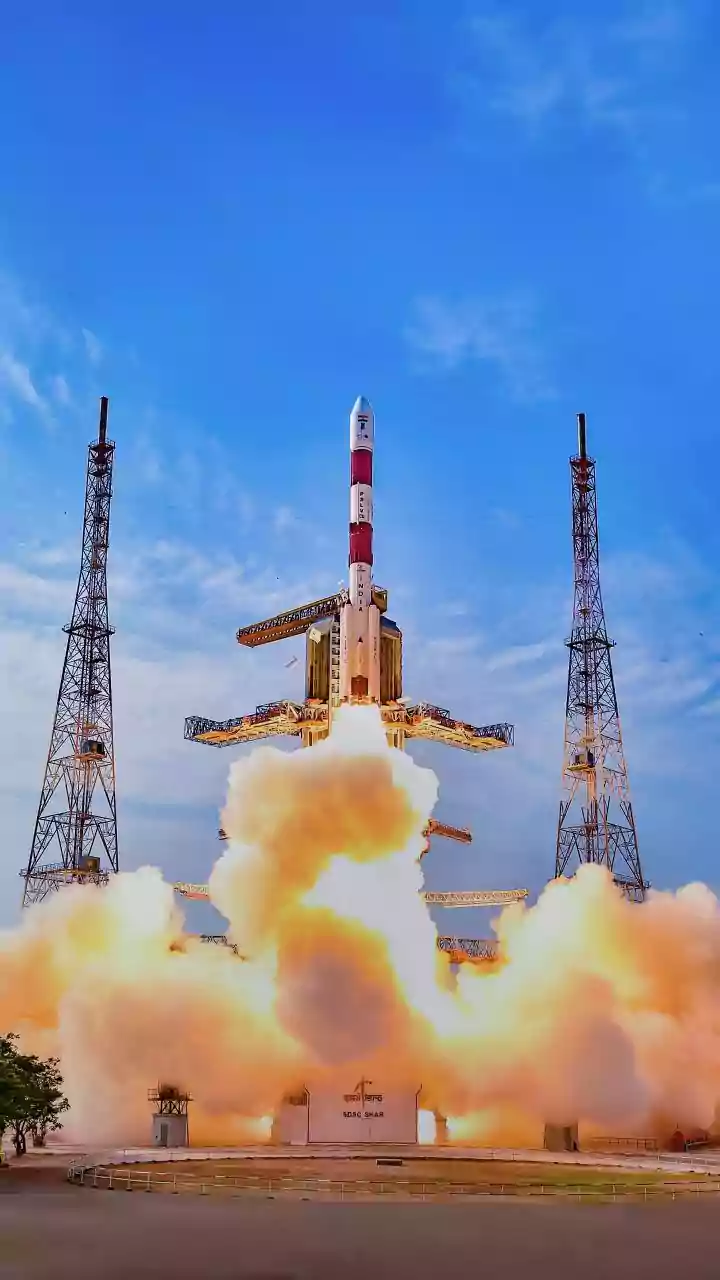
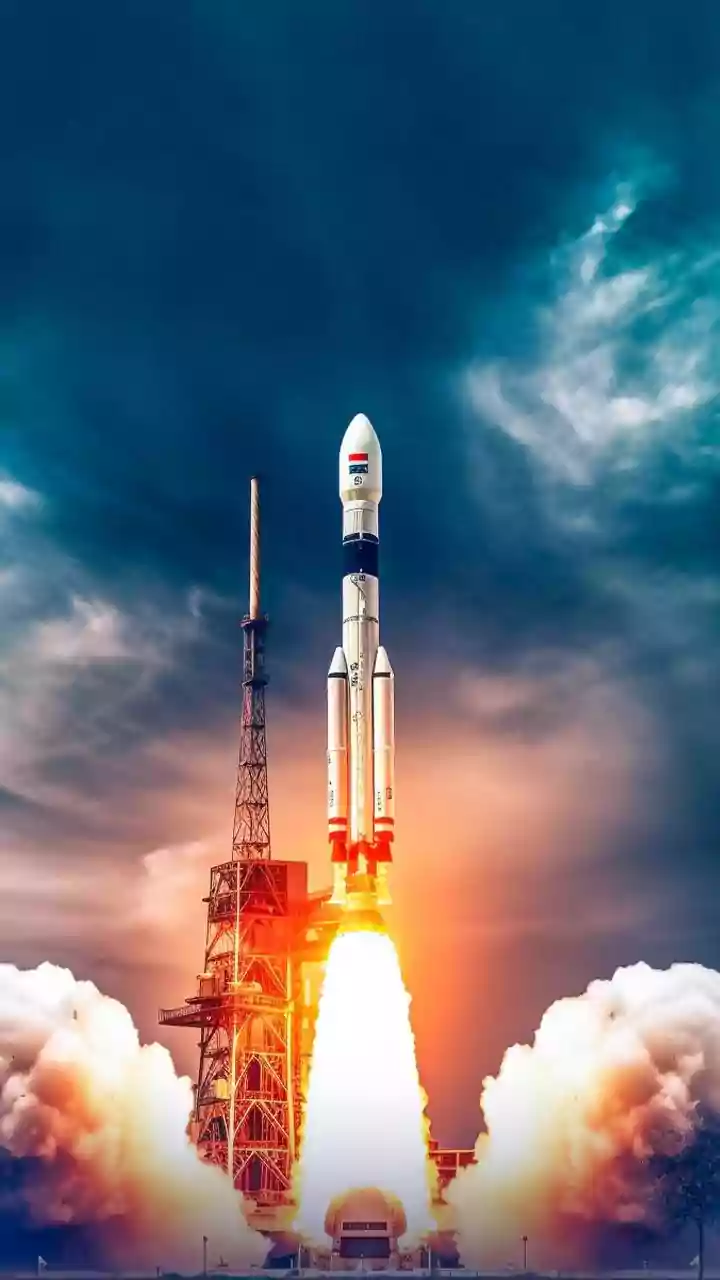
Getting anything to space is incredibly difficult. For more than 70 years, the solution has been chemical rockets. But this method has major drawbacks. Rockets are fundamentally inefficient; most of their takeoff mass is just fuel needed to lift other
fuel. Only a tiny fraction—often just 1-2%—is the actual payload, like a satellite. This makes launches phenomenally expensive, costing thousands of dollars per kilogram to reach low Earth orbit. Furthermore, rockets produce significant carbon emissions and inject pollutants like black carbon directly into the fragile upper atmosphere. As the demand for satellites soars, the world needs a cheaper, cleaner, and more frequent way to access orbit.
An Idea From a Superweapon
Enter Longshot Space, a startup with a radical solution inspired by a World War II-era superweapon. The company, founded in 2020 by CEO Mike Grace and CTO Nathan Saichek, is developing a system based on the principles of a multi-injection accelerator, a concept first seen in Germany's V-3 cannon. Instead of using explosives, Longshot uses bursts of compressed gas to push a projectile through a very long tube. By leaving the energy source on the ground, the projectile itself doesn't need to carry heavy engines or fuel, dramatically changing the cost equation. The company has already raised millions in funding from investors like Sam Altman and Draper Associates, and has attracted the attention of the U.S. military.
How Kinetic Acceleration Works
Longshot's system is essentially a giant, high-tech gas cannon. A projectile carrying a satellite is placed inside a long, horizontal tube where the air has been removed to create a vacuum. An initial burst of compressed gas starts pushing the projectile forward. As it travels down the tube, sensors detect its position with incredible precision. Timed to the sub-millisecond, additional injections of gas are fired into the tube from ports along its length, each one pushing the projectile and increasing its speed. This multi-stage push allows the payload to achieve hypersonic speeds (over five times the speed of sound) by the time it exits the barrel.
From a Cannon to the Cosmos
The initial ground-based launch is only the first step. Once the projectile leaves the cannon at hypersonic speed, it still has to get into a stable orbit. For this, Longshot is developing a hypersonic glide vehicle called Glowrider. This vehicle is designed to "skip" off the atmosphere like a stone on water, using the air itself to generate lift and gain altitude. A small, secondary rocket motor on board would then fire to perform the final push, circularizing its path into a stable low Earth orbit. This two-stage approach—kinetic launch followed by a small orbital burn—eliminates the need for the massive, fuel-guzzling first-stage boosters used in traditional rocket launches.
The Promise and the Hurdles
The potential benefits are enormous. Longshot's CEO claims the system could eventually reduce the cost of launching a payload to just $10 per kilogram, a fraction of the current cost. Because the ground-based system can be reloaded and fired quickly, it could enable multiple launches per day, compared to the weeks or months between conventional rocket launches. However, the engineering challenges are immense. The payload must be able to withstand incredible g-forces during acceleration, and the system requires a massive footprint. The company's ultimate vision is a 10 to 15-kilometer-long cannon, possibly located in a remote area like northern Australia. To get there, Longshot is first targeting the hypersonic testing market for defense clients, a business that could provide revenue while it scales its technology. Its prototype in Alameda, California, has already conducted over 100 launches, achieving speeds beyond Mach 4.