




What Exactly Is Rooibos Tea?
Unlike traditional black or green teas, which come from the Camellia sinensis plant, rooibos is a herbal tea made from the leaves of the Aspalathus linearis shrub. This plant grows exclusively in the Cederberg mountain region of South Africa. The leaves undergo
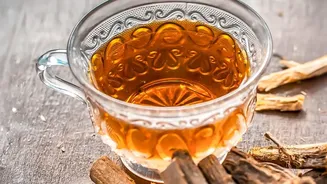
a fermentation process that gives the tea its signature reddish-brown colour and enhances its flavour. The taste is often described as naturally sweet, earthy, and smooth, with hints of vanilla and nuts. There is also a green, unfermented version of rooibos, which has a grassier flavour and contains even higher levels of antioxidants.
A Unique Antioxidant Powerhouse
The excitement around rooibos centres on its impressive antioxidant profile. Antioxidants are compounds that help protect the body against cellular damage caused by free radicals. Rooibos contains several, but two, in particular, are noteworthy: aspalathin and nothofagin. Aspalathin is especially rare, as rooibos is its only known natural source. These antioxidants are believed to be the primary drivers behind the tea's potential health benefits, working to reduce inflammation and combat oxidative stress, which are linked to chronic conditions like heart disease and diabetes.
Potential Benefits for Heart Health
Several studies suggest that rooibos tea could be a heart-friendly beverage. Its antioxidants may contribute to better cardiovascular health. Research has indicated that daily consumption of rooibos tea may help lower blood pressure by inhibiting an enzyme that causes blood vessels to constrict. Furthermore, a 2011 study involving adults at risk for cardiovascular disease found that drinking six cups of rooibos daily for six weeks significantly lowered 'bad' LDL cholesterol levels while raising 'good' HDL cholesterol. These effects combined may reduce the risk of serious heart conditions.
An Ally in Blood Sugar Management
For individuals concerned with blood sugar control, including those with type 2 diabetes, rooibos shows significant promise. The unique antioxidant aspalathin has been the focus of animal and test-tube studies for its potential antidiabetic effects. Research suggests that aspalathin may help improve insulin resistance and balance blood sugar levels. It might also help protect against vascular inflammation, a common complication of high blood sugar that increases heart disease risk in people with diabetes. However, it's important to note that much of this research is in early stages and human trials are needed to confirm these effects.
Naturally Caffeine-Free and Low in Tannins
One of the most practical benefits of rooibos is that it is entirely caffeine-free. This makes it an excellent choice for anyone looking to reduce their caffeine intake, including children, pregnant individuals, or those sensitive to caffeine's effects like anxiety or sleeplessness. Unlike black and green teas, rooibos is also very low in compounds called tannins. High levels of tannins can sometimes interfere with the body's ability to absorb iron from plant-based foods and can impart a bitter taste. The low tannin content of rooibos means it has a smoother, less astringent flavour and won't hinder iron absorption.
How to Brew and Enjoy Rooibos
Preparing rooibos is simple. You can brew it just like any other tea, using tea bags or loose leaves. For a hot beverage, steep it in hot water for at least 5-7 minutes; because it's low in tannins, it won't become bitter even with a longer steeping time. It's delicious on its own but also pairs wonderfully with milk and a touch of honey or sugar. In India, rooibos is also finding its way into chai blends, where its natural sweetness complements traditional spices like cinnamon, cardamom, and ginger for a caffeine-free masala chai experience. It also makes a refreshing iced tea.