


Fushimi Inari Shrine, Kyoto
The seemingly endless tunnels of thousands of vibrant red torii gates winding up a mountainside make Fushimi Inari one of Japan's most iconic images. It is a breathtaking spectacle and a sacred site dedicated to the Shinto god of rice. The problem is that
thousands of visitors want to capture that exact same photo, creating a slow-moving, tightly packed procession along the lower paths. During peak hours, the magic can be lost in a shuffle of selfie sticks, and the path becomes more of a conveyer belt than a spiritual trail. Most visitors only explore the first section, which is the most congested.THE SMARTER WAY: The shrine is open 24/7 and is free to enter. The simple secret to a peaceful visit is timing. Arrive at dawn (around 6:30 AM) to experience the gates in the misty morning light with only a handful of others. Alternatively, push past the initial crowds. The further you climb Mount Inari, the fewer people you'll encounter, and the trails become much more serene. For a completely different experience, consider alternatives like Tokyo's Nezu Shrine or Taikodani Inari Shrine in Shimane, which offer beautiful torii gate paths without the intense crowds.
Arashiyama Bamboo Grove, Kyoto
A short, 400-meter path flanked by towering bamboo stalks that sway and creak in the wind—Arashiyama is undeniably enchanting. Designated one of the '100 Soundscapes of Japan', its appeal is both visual and auditory. However, its fame and relatively small size mean the narrow path is almost constantly packed from mid-morning until late afternoon. The experience can quickly turn from meditative to frustrating as you navigate a wall of people, making it nearly impossible to get a clear photo or enjoy a moment of peace.THE SMARTER WAY: Just like Fushimi Inari, an early start is key. Arriving before 8:00 AM, especially on a weekday, can give you a window of relative solitude. The soft morning light filtering through the stalks is also more beautiful. For an alternative that offers a similar feel with a fraction of the foot traffic, head to Adashino Nenbutsu-ji Temple, a 20-minute walk further into the Arashiyama hills, which has its own quiet bamboo-lined path. Another excellent, lesser-known option is the bamboo forest on the back side of Mount Inari.
Kinkaku-ji (Golden Pavilion), Kyoto
Kinkaku-ji is stunning. A three-story Zen temple covered in gold leaf, shimmering in its reflection on a tranquil pond, it's a postcard-perfect image. However, the visitor experience can be surprisingly brief and restrictive. You cannot enter the pavilion. Instead, you follow a one-way path with a shuffling crowd to a designated photo spot, take your picture, and are then guided through the gardens to the exit. The whole visit can take as little as 30 minutes, and the 'zen' factor is often zero due to the sheer volume of people.THE SMARTER WAY: If you must see the gold, be at the gate for the 9:00 AM opening to be among the first in. For a more contemplative and arguably more authentic Zen garden experience, visit its sister temple, Ginkaku-ji (The Silver Pavilion). Though not covered in silver, its subtle beauty, raked sand gardens, and quieter atmosphere offer a more profound sense of peace. Kinkaku-ji is worth seeing once for the spectacle, but if your time in Kyoto is limited, other temples may provide a richer experience.
Tsukiji Outer Market, Tokyo
Even after the famous inner market's tuna auction moved to Toyosu in 2018, the Tsukiji Outer Market remains a massive draw for foodies. Its narrow lanes are packed with stalls selling fresh seafood, snacks, and kitchenware. But its popularity has led to what officials call a state of 'overtourism'. Streets become so congested it's hard to move, especially during peak eating times and the year-end holiday season, when authorities have actively asked tourists to stay away due to safety concerns. The experience can feel more like a battle than a culinary delight.THE SMARTER WAY: For a more relaxed and authentic market experience, visit a local 'shotengai' (shopping street) like Yanaka Ginza or Sugamo Jizo-dori. These offer a glimpse into everyday Tokyo life with fantastic food stalls and a welcoming atmosphere. For a modern, clean, and organized seafood experience, head to the new Toyosu Market itself, which has a dedicated restaurant area and observation decks for the auctions. If you do go to Tsukiji, visit on a weekday morning after 9:00 AM, once the local commercial buyers have finished.
Shibuya Sky, Tokyo
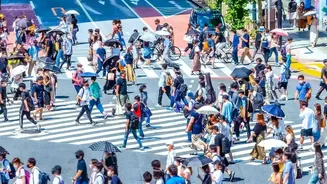
Offering a breathtaking 360-degree open-air view of the Tokyo skyline, including the iconic Shibuya Scramble Crossing below, Shibuya Sky has quickly become a must-do. Its popularity, especially around sunset, means securing tickets can be competitive, and even with a timed-entry ticket, you can expect to queue for the elevator and for the best photo spots like the 'Sky Edge' glass corner. The experience of watching the city light up is spectacular, but it requires significant advance planning and a tolerance for waiting.THE SMARTER WAY: Book tickets online weeks in advance, especially if you want a coveted sunset slot. A cleverer trick is to book a late afternoon slot (around 2 or 3 PM) and simply stay until sunset, as there is no time limit once you are inside. For a completely free and often less crowded view of the Shibuya Scramble Crossing, head to the upper floors of the adjacent Hikarie building or find a seat at a cafe or restaurant in one of the surrounding buildings that overlooks the intersection. It may not be from 229 meters up, but you'll still get a great perspective on the organized chaos.