





Urad dal is a cornerstone of Indian cuisine, but are you getting the most out of this humble lentil? One simple, traditional step can elevate its flavour, texture, and nutritional value: soaking. Here’s why it matters and how to use it.
The Transformative Power of Soaking
Soaking lentils
before cooking might seem like an extra chore, but for urad dal, it’s a game-changer. The primary benefit is improved digestibility. Soaking helps break down complex sugars called oligosaccharides, which can cause bloating and gas. This process also reduces anti-nutrients like phytic acid, which can interfere with your body's ability to absorb essential minerals like iron, zinc, and calcium. Beyond the health benefits, soaking significantly cuts down on cooking time, saving both energy and effort. It also ensures the dal cooks evenly, resulting in a superior texture—whether you're aiming for a creamy dal or a fluffy, light batter. Finally, soaked lentils absorb water and swell, allowing them to better soak up the spices and seasonings you add during cooking, leading to a much more flavourful dish.
For Perfectly Crispy Medu Vadas
The secret to a perfect medu vada—crispy on the outside, impossibly soft and fluffy on the inside—lies in the batter, and that batter begins with properly soaked urad dal. Soaking the dal for at least 4 to 5 hours, or even overnight, is non-negotiable. This softens the lentils, making them easier to grind into a smooth, airy paste with very little water. It’s this thick, well-aerated batter that gives the vada its signature light texture. If the dal isn't soaked long enough, the batter can become dense, and if too much water is used during grinding, it will be runny and absorb excess oil during frying. For the best results, many seasoned cooks recommend using fresh urad dal and grinding it with chilled water to prevent the mixer from overheating, which can affect the batter's consistency.
The Foundation of Idlis and Dosas
Soaked urad dal is a critical component of the fermented batter used to make iconic South Indian staples like idli and dosa. In a typical batter recipe, urad dal is soaked separately from the rice, often with a teaspoon of fenugreek seeds which aids in fermentation. After several hours of soaking, the urad dal is ground into a fine, fluffy paste. Its natural properties help kickstart the fermentation process when mixed with the ground rice, creating the airy, slightly sour batter that results in soft, spongy idlis and crisp, golden dosas. The ratio of rice to dal can vary, but a common proportion is 4 parts rice to 1 part urad dal. The quality of the batter, and therefore the final dish, is highly dependent on how well the urad dal is soaked and ground.
For a Creamier Dal Makhani
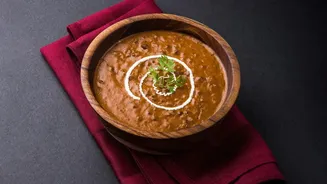
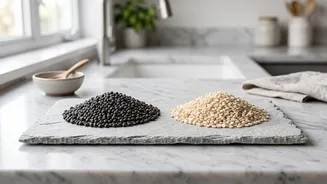
When it comes to the rich, luxurious Dal Makhani, using whole black urad dal (sabut urad) is key. Soaking these whole lentils, often along with a smaller portion of rajma (kidney beans), is an essential first step. An overnight soak is recommended to ensure the tough outer skins soften completely. This not only drastically reduces the cooking time required to get the dal tender but is also crucial for achieving the dish's signature creamy, melt-in-your-mouth consistency. During the long, slow simmering process, the soaked and cooked lentils break down and meld together, creating a thick, velvety base that defines this beloved North Indian dish. Skipping the soak would result in a much longer cooking time and a less integrated, creamy texture.
Simple and Flavourful Urad Dal Tadka
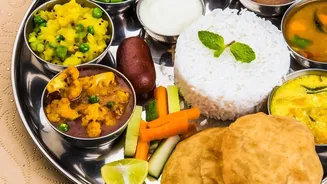
Even in its simplest form, like a classic Urad Dal Tadka, soaking pays off. For this dish, split white urad dal is typically used. While it cooks faster than the whole black variety, a short soak of just 30–60 minutes can still make a noticeable difference. Soaking helps the dal cook more evenly and become tender faster in the pressure cooker. This results in a smoother, creamier final dish. Once cooked, a flavourful tempering (tadka) of ghee, cumin seeds, garlic, and other spices is poured over the top than infusing the mild dal with a burst of aroma and flavour. This simple preparation than often called 'safed dal', is a comforting and nutritious everyday meal than especially when served with roti or rice.