




The Power of Pearly Whites
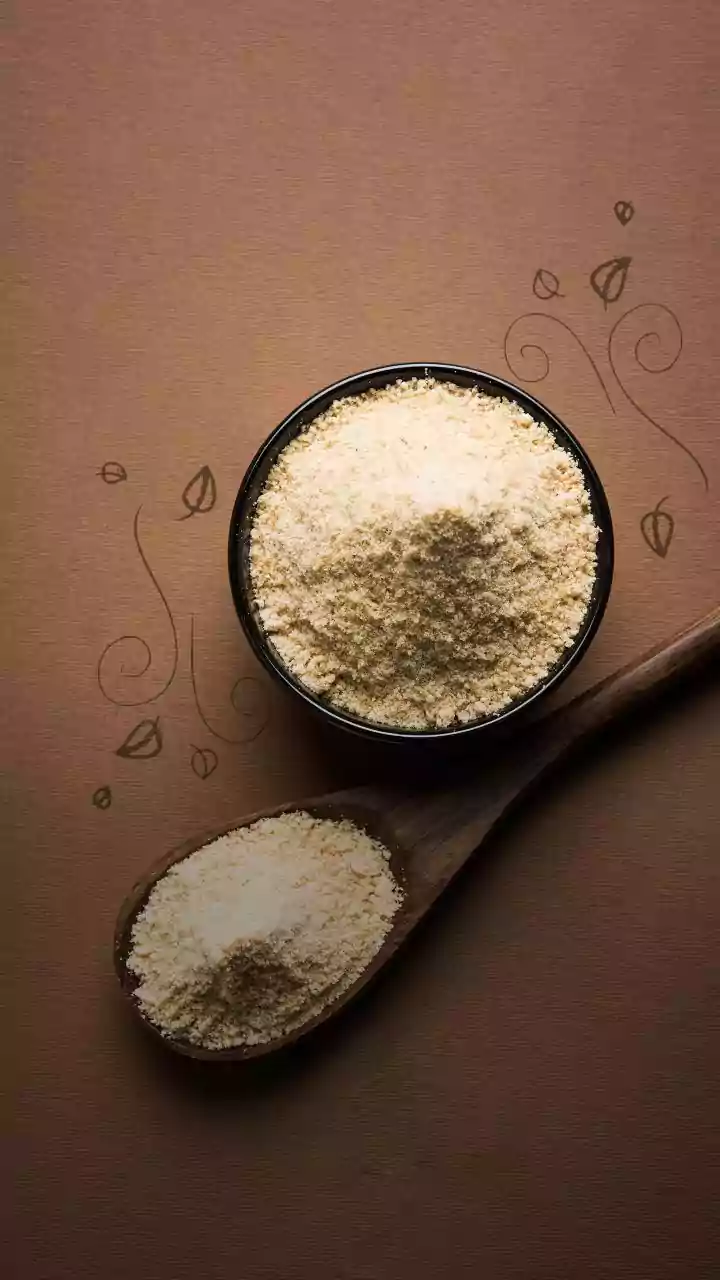
Sabudana, made from tapioca starch, is primarily a source of carbohydrates. A 100-gram serving contains around 87-88 grams of carbs, making it an excellent source of quick energy. This is precisely why it's a favoured food during fasting periods like
Navratri, as it helps combat fatigue and provides an instant energy boost to get through the day. Being naturally gluten-free and easy to digest, it's also gentle on the stomach, which is often a priority during fasts or recovery from illness. However, sabudana on its own is nutritionally incomplete. It contains very little protein, fat, or fibre, making it essentially a pure starch product. This is where its trusty partner comes into play.
The Protein-Packed Partner
Enter the humble peanut. While sabudana provides the fuel, peanuts bring the building blocks. Peanuts are a fantastic source of plant-based protein, healthy fats, and fibre. A single ounce (about 28 grams) of peanuts offers around 7-8 grams of protein. This protein is crucial for muscle repair, satiety, and overall body function. Beyond protein, peanuts are packed with heart-healthy monounsaturated fats, which help lower bad cholesterol levels. They also provide a host of essential micronutrients that sabudana lacks, including vitamin E, niacin, folate, magnesium, and potassium, making the meal far more balanced.
A Perfect Nutritional Partnership
The combination of sabudana and peanuts is a classic example of food synergy, where the whole is greater than the sum of its parts. Sabudana has a high glycemic index (GI), meaning its carbohydrates are digested quickly, which can lead to a rapid spike and subsequent crash in blood sugar levels. This is where the magic of peanuts happens. The protein, fat, and fibre in peanuts slow down the digestion and absorption of the carbohydrates from the sabudana. This results in a more gradual release of glucose into the bloodstream, providing sustained energy rather than a short-lived burst. This process helps you feel full and satisfied for a longer period, preventing the hunger pangs that can follow a purely carbohydrate-based meal.
Beyond the Big Two
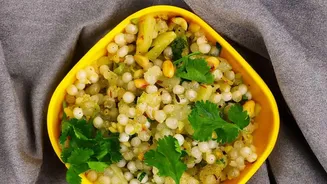
A well-made sabudana khichdi is a testament to balanced flavour and nutrition, often including more than just the main two ingredients. The tempering (tadka) typically uses ghee, a source of healthy fats that can aid in the absorption of fat-soluble vitamins. Spices like cumin seeds and curry leaves not only add flavour but also have digestive and antioxidant properties. Green chillies can give a little boost to your metabolism, while a final squeeze of lemon juice adds a hit of vitamin C and enhances iron absorption from the peanuts. Potatoes, another common addition, contribute more carbohydrates and potassium. Together, these ingredients work in concert to create a dish that is both delicious and functionally balanced.
Making Your Meal Mindfully
While this pairing is nutritionally sound, preparation and portion size are key. Sabudana khichdi can quickly become a high-calorie dish if prepared with excess oil or ghee. To keep it healthy, use fats in moderation. Given its high carbohydrate content, it's also wise to be mindful of portion sizes, especially for those managing their weight or blood sugar levels. For individuals with diabetes, it's particularly important to be cautious due to sabudana's high GI. Pairing it with ample peanuts and even other vegetables can help mitigate the blood sugar spike, but consulting with a doctor or nutritionist is always recommended. Properly soaking the sabudana until it’s soft is also crucial for ensuring it’s light and easy to digest.