

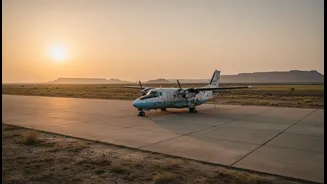


The Ambitious Dream of UDAN
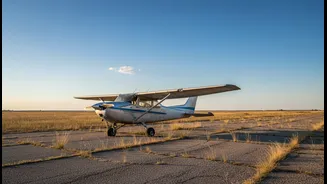
The Ude Desh ka Aam Nagrik (UDAN) scheme, launched in 2016, was a landmark initiative designed to make air travel accessible and affordable. The goal was simple but revolutionary: connect India's unserved and underserved Tier-2 and Tier-3 cities. By reviving
old airstrips and offering capped fares—famously around ₹2,500 for a one-hour flight—it aimed to democratise air travel. To make this work, the government offered airlines Viability Gap Funding (VGF), a subsidy to cover potential losses on these low-demand routes, encouraging them to fly where they otherwise wouldn't. The scheme successfully expanded India’s aviation map, adding hundreds of new routes and operationalising dozens of airports.
The Turbulent Reality of Grounded Routes
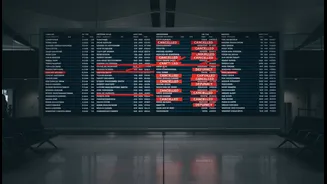
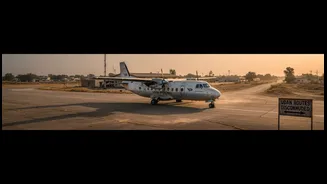
Despite its initial promise, the UDAN scheme is facing significant turbulence. Recent data reveals a startling trend: nearly half of the routes launched since 2017 are no longer operational. Of the 669 routes made operational, only 336 are reportedly active. This high rate of discontinuation points to a core problem. The primary issue arises when the initial three-year subsidy period ends. Many airlines have found that once the financial support is withdrawn, the routes become commercially unviable. Factors like low passenger demand, high operational costs, aircraft shortages, and even delays in airport readiness contribute to this struggle. Airports in cities like Bidar and Kalaburagi, for example, saw services stop once the VGF expired because the jump in unsubsidised fares killed demand.
The Challenge of the Viability Gap
The entire model hinges on the idea that three years of subsidies are enough for a route to mature and become self-sustaining. However, reality has proven more complex. A Comptroller and Auditor General (CAG) report highlighted that only a small fraction—around 7% to 10%—of routes remained viable after the subsidy period ended. The economics of regional aviation are tough. Smaller aircraft used on UDAN routes have higher per-seat operating costs, making them vulnerable to low passenger loads. Structural issues like volatile, seasonal demand on many routes and a scarcity of suitable aircraft further complicate matters, as leasing companies are often wary of financing smaller regional operators.
A Roadmap for Sustainable Connectivity
To salvage the scheme's vision, the focus must shift from simply launching routes to ensuring their long-term survival. The government has already taken steps by launching a revamped second phase of UDAN, extending the subsidy period from three to five years and significantly increasing the financial outlay. This provides a longer runway for routes to mature. However, money alone isn't the solution. Experts and airline operators suggest a more holistic approach. This includes smarter route selection based on thorough demand assessment, not just political expediency. Furthermore, integrating regional routes into a 'hub-and-spoke' model by ensuring connectivity to major metro airports like Delhi and Mumbai is seen as critical for building a sustainable network.
Beyond Subsidies: Building a True Market
Ultimately, the goal must be to move beyond perpetual subsidies and create genuine, demand-driven markets. This requires a collaborative effort. State governments play a crucial role by reducing taxes on aviation turbine fuel (ATF) and developing local infrastructure and tourism to stimulate demand. Improving airport infrastructure to handle all-weather operations and avoid regulatory delays is another key factor that can prevent financial burdens on airlines. Rather than just connecting dots on a map, the strategy must focus on creating economic corridors where air travel becomes an essential, self-sustaining part of local growth. The success of UDAN shouldn't be measured by the number of airports inaugurated, but by the number of routes that continue flying long after the subsidies have stopped.